
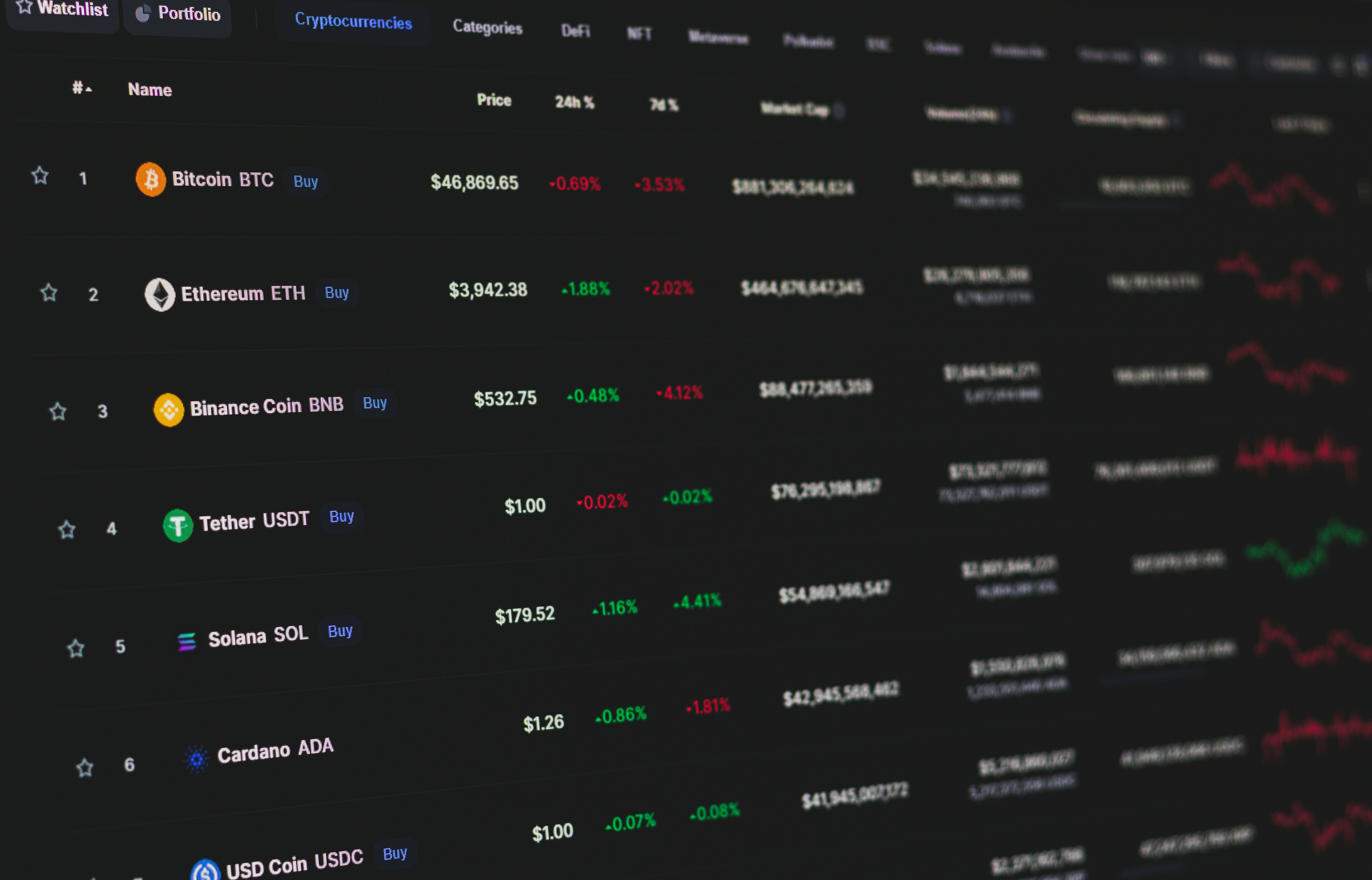
Overall Price Trend in the Last 24 Hours
In the past 24 hours, the cryptocurrency market has demonstrated notable price shifts among major digital assets, signalling an upward trend in global market capitalization. As of the latest data, Bitcoin (BTC) has surpassed the significant psychological threshold of $111,000, marking a crucial milestone for investor confidence. This surge in price can be attributed to a combination of factors, including increased institutional interest and broader public adoption, which have combined to accelerate BTC’s upward momentum.
In conjunction with Bitcoin’s impressive performance, Ethereum (ETH) has also shown signs of positive growth, reporting a considerable rise in its price. The second-largest cryptocurrency by market cap has been buoyed by advancing developments in the Ethereum ecosystem, notably the ongoing transition to a proof-of-stake consensus mechanism. The enthusiasm surrounding Ethereum’s technological upgrades and expanded use cases in decentralized finance and non-fungible tokens has contributed to its upward trajectory.
As we delve deeper into the specifics of the cryptocurrency market, it will be essential to monitor the ongoing strategies by governments and regulatory bodies that may impact price volatility and investor behavior. The coming hours and days will be critical for sustaining this positive atmosphere, as traders and analysts keep a close watch on market indicators, economic reports, and external factors influencing these pivotal price movements.
Bitcoin’s Recent Rally
Bitcoin, the foremost cryptocurrency, has recently demonstrated a significant price rally, captivating the attention of investors and analysts alike. This surge has not only reinforced Bitcoin’s status as a dominant force in the crypto market but has also sparked discussions regarding the underlying factors contributing to its remarkable resilience amid turbulent market conditions.
One of the primary catalysts for Bitcoin’s rally has been the growing institutional interest. Many large financial firms have started integrating Bitcoin into their portfolios, driven by its perceived value as a hedge against inflation and its potential for high returns. This influx of institutional capital has contributed to a bullish market environment, allowing Bitcoin to sustain a high market capitalization even when other cryptocurrencies experienced downturns. The confidence that institutions exhibit boosts overall market sentiment, often leading to an increased appetite for risk among retail investors as well.
Resistance levels have also played a crucial role in Bitcoin’s recent performance. Traders and market participants closely monitor these levels, as they can indicate potential turning points. During the rally, Bitcoin breached key resistance barriers, which not only signaled bullish momentum but also encouraged further buying activity. The psychological aspect of overcoming these resistance levels often creates a self-reinforcing cycle, attracting more traders to participate in the market.
Moreover, external factors such as regulatory developments and macroeconomic events have significantly influenced Bitcoin’s trajectory. Positive regulatory news and a favorable macroeconomic environment can enhance market confidence, while negative events often trigger profit-taking or panic selling. Nonetheless, Bitcoin’s fortitude in maintaining its price gains has highlighted its evolving role within the broader financial landscape.
In conclusion, Bitcoin’s recent rally exemplifies the interplay between institutional interest, resistance levels, and external factors, shaping the dynamics of its price movements and influencing overall market sentiment.
Ethereum’s Positive Movement
In the past 24 hours, Ethereum has displayed notable positive movement in its price, separating its trajectory from that of Bitcoin. As a leading cryptocurrency, Ethereum often reflects the general sentiment of the market; however, recent trends suggest a unique strength that merits examination. Throughout this period, Ethereum has managed to outperform Bitcoin, benefiting from several underlying factors that contribute to its upward momentum.
One significant aspect of Ethereum’s performance is the growing interest in decentralized finance (DeFi) applications, which primarily operate on the Ethereum blockchain. As more users engage with DeFi platforms, the demand for Ether (ETH), the native cryptocurrency of the Ethereum network, has surged. This increasing utilization helps to boost ETH’s price, fostering a sense of optimism among investors and influencing market dynamics positively.
Moreover, the latest developments regarding Ethereum’s transition to a proof-of-stake consensus mechanism have generated substantial excitement within the crypto community. As the network continues to evolve, its scalability and efficiency improvements are likely to attract further investments, further solidifying Ethereum’s position as a robust contender in the crypto landscape. Additionally, market sentiment has recently turned favorable, with analysts highlighting significant support levels around the $1,600 mark and resistance levels hovering near $1,800. These thresholds play a crucial role in shaping the future price movements of Ethereum.
Comparatively, while Bitcoin remains the market leader, its performance has been more volatile in the same timeframe. Investors seem to be increasingly diversifying their portfolios by allocating funds to Ethereum, which underscores a growing confidence in its long-term prospects. As the crypto market continues to evolve, Ethereum’s continued strength could signify a broader shift in investor preferences, potentially reshaping the landscape of cryptocurrency as a whole.
Influencing Factors and Key Highlights
The cryptocurrency market is heavily influenced by a multitude of factors that can cause fluctuations in prices and investor sentiment. Market sentiment plays a crucial role, and this is often shaped by both the macroeconomic landscape and the specific developments within the crypto ecosystem. Presently, a notable balance exists between short-term optimism and long-term caution among investors. While many are excited about potential technological advancements and regulatory clarity, there remains a palpable concern surrounding volatility and potential corrections.
One of the primary influencers in recent months has been the sentiment driven by global economic conditions. Factors such as inflation rates, interest rate decisions by central banks, and overall economic stability tend to have a direct impact on investor behavior in the crypto space. For instance, positive news regarding economic recovery can spur short-term investments in cryptocurrencies, given their appeal as alternative assets. Conversely, negative economic news often leads to heightened caution, causing investors to withdraw or hold off on new investments.
Furthermore, political developments across various countries can have significant repercussions on the cryptocurrency market. Regulatory news, such as government policies on cryptocurrency usage and taxation, profoundly affects market dynamics. A favorable regulatory stance often results in increased institutional investment, consequently driving prices upward. On the other hand, negative legislative proposals can lead to swift downturns in market capitalizations.
Additionally, broader technological trends and security incidents, including innovations in blockchain technology and significant breaches in exchanges, continually shape the landscape. Events such as major security breaches can lead to immediate sell-offs, while successful advancements in blockchain technology may lead to bullish forecasts. Thus, while the market is characterized by speculative behavior, it is critical to recognize the complex interplay of these various influencing factors as they determine pricing trends and overall market health.
Market Sentiment: Short-term Optimism vs Long-term Caution
In recent months, the cryptocurrency market has experienced notable fluctuations, with Bitcoin’s recovery serving as a central focus for market participants. This resurgence has instilled a sense of optimism among short-term investors, many of whom believe that Bitcoin’s upward trend may signify a broader rally across altcoins and the overall crypto market. The lifting of Bitcoin prices has often been seen as a harbinger of bullish sentiment, leading traders to expect potential growth in alternative cryptocurrencies, thereby improving overall market conditions.
However, while short-term optimism is prevalent, a degree of long-term caution persists among seasoned investors and analysts. Many experts express concerns about the sustainability of recent gains and the external factors influencing the market. Economic uncertainties, regulatory developments, and potential technological challenges remain critical issues that could temper growth. For instance, inflationary pressures and geopolitical tensions might impact investment decisions, causing cautious sentiment to linger among long-term holders.
Furthermore, sentiments around altcoins vary significantly based on Bitcoin’s performance. When Bitcoin rises, many altcoins often follow suit, which can lead to a temporary sense of euphoria in the market. Yet, the fluctuation of altcoin values also raises questions regarding their inherent stability and long-term viability. Analysts have previously indicated that a significant reliance on Bitcoin’s performance can create a precarious scenario for altcoins, emphasizing the need for investors to conduct thorough research and consider market fundamentals rather than speculation alone.
Overall, the current market sentiment reflects a complex interplay between short-term optimism driven by Bitcoin’s recovery and a cautious outlook for the long term. As investors navigate these contrasting feelings, understanding the underlying factors influencing market movements becomes increasingly vital in making informed investment decisions.
Key Political and Legal Developments
The landscape of the cryptocurrency market is profoundly shaped by political and legal developments, reinforcing the intricate connection between governance and market dynamics. One of the pivotal moments in recent history was President Donald Trump’s pardon of former Binance CEO Changpeng Zhao. This unexpected decision carries significant implications for the regulatory environment surrounding cryptocurrencies. A pardon for a figure prominent in the industry could signal a shift in the approach of political leadership towards crypto regulation, potentially fostering a more lenient framework. This shift may catalyze increased investment and innovation within the sector.
Political factors extend beyond individual pardons and directly impact investor confidence. Regulatory bodies around the globe, including the Securities and Exchange Commission (SEC) in the United States, continue to shape the market through their decisions. As nations strive to create effective frameworks to govern cryptocurrencies, the political discourse surrounding regulation continues to evolve. For instance, the ongoing discussions related to asset classification, tax implications, and compliance mandates can create both opportunities and obstacles within the crypto space. Investors are keenly aware of how these legal factors can affect market stability and price movements.
Moreover, international relationships and geopolitical tensions can further influence market sentiment. The increasing scrutiny on tech and finance companies, particularly those engaging with cryptocurrencies, can lead to uncertainty. Countries that embrace digital currencies may witness an influx of investment, while those imposing strict regulations may deter participation. Analyzing these political dimensions is essential for understanding the broader implications on market trends. As the legal environment around cryptocurrencies continues to evolve, stakeholders must remain vigilant, with a focus on how political actions affect their investments and the welfare of the industry at large.
Macro Economic Influences
The cryptocurrency market is intricately linked to broader macroeconomic factors, particularly in today’s interconnected global economy. One of the primary indicators that investors pay attention to is the Consumer Price Index (CPI), which serves as a vital measure of inflation in the United States. Fluctuations in CPI data can significantly influence monetary policy decisions by the Federal Reserve, thereby shaping investor sentiment and market dynamics.
When CPI data indicates higher inflation, the Federal Reserve may adopt a tighter monetary policy stance, which often leads to rising interest rates. This scenario could result in reduced liquidity in the financial markets, leading to a downturn in asset prices, including cryptocurrencies. Conversely, lower inflation readings might prompt the Fed to maintain or even lower interest rates, creating a favorable environment for riskier assets, including Bitcoin. Consequently, traders and investors often monitor CPI trends closely, as they can provide insights into future monetary policy shifts and overall market sentiment.
Additionally, ongoing trade tensions and geopolitical uncertainties can create a protective environment for Bitcoin. As traditional financial markets react to such negative stimuli, investors may seek refuge in cryptocurrencies, viewing them as a hedge against potential economic instability. The narrative around Bitcoin as ‘digital gold’ has gained traction, particularly in times of uncertainty, leading to greater interest from institutional investors.
In essence, macroeconomic factors such as CPI trends, trade fears, and monetary policy pose profound implications for the cryptocurrency market. Staying attuned to these influences is crucial for understanding price fluctuations and adopting effective investment strategies. By recognizing the interplay between macroeconomic conditions and cryptocurrency pricing, investors can better navigate the complexities of this rapidly evolving market.
Notes and Warnings from Recent Analyses
Recent analyses of the cryptocurrency market, particularly focusing on Bitcoin, have raised several warnings regarding price movements and market stability. A significant point of concern is the identification of key resistance levels that Bitcoin must maintain to avoid plunging into a bearish trend. Analysts have observed that the $30,000 mark is a critical threshold; a consistent drop below this level could trigger widespread selling pressure and further price declines not only for Bitcoin but across the broader market.
Moreover, analysts have highlighted that the sentiment surrounding Bitcoin’s price action plays a pivotal role in shaping the market landscape. A lack of bullish momentum and failure to breach established resistance points may result in increased volatility, creating an environment where altcoins experience secondary effects. This volatility could potentially destabilize several altcoin projects, as their value is often correlated to Bitcoin’s performance.
Warnings have also been issued regarding the potential for exhaustion among bulls, especially if they encounter persistent selling pressure at these resistance levels. If Bitcoin fails to retain market confidence, there is a considerable risk that altcoins could face significant downtrends. This interconnectedness stresses the necessity of monitoring Bitcoin trends closely, as its price can set a guiding tone for the entire cryptocurrency market.
Additionally, the recent analysis indicates a need for traders to remain skeptical of sudden price pumps, which may not be backed by substantial trading volume or market fundamentals. Such situations may lead to false bullish signals and open the door to steep corrections. Therefore, maintaining a vigilant approach and carefully analyzing market indicators will be crucial for investors navigating these turbulent waters.
Summary and Future Outlook
The current state of the cryptocurrency market indicates a slight recovery observed among major coins. After a prolonged period of volatility and bearish trends, recent price movements suggest a potential stabilization and bullish sentiment beginning to take shape. This recovery can be attributed to various factors, including market sentiment shifts, external economic influences, and the gradual adoption of digital currencies by both individuals and institutional investors. The performance of prominent coins such as Bitcoin and Ethereum plays a significant role in defining market trajectories and investor confidence.
As cryptocurrencies continue to gain prominence, monitoring technical indicators will be paramount in assessing future price movements. Tools and analyses such as moving averages, relative strength indices, and Fibonacci retracement levels can provide valuable insights into market behavior. These indicators allow traders and investors to gauge momentum and formulate strategies that align with potential market shifts.
Moreover, macroeconomic news will remain a crucial element in the crypto landscape. Factors such as regulatory changes, inflation rates, and geopolitical events heavily influence trader sentiment and market dynamics. Therefore, individuals engaged in the cryptocurrency space should remain vigilant about global economic developments and news events that could impact the value of digital assets.
In conclusion, while the recent recovery of major cryptocurrencies instills a degree of optimism, it is essential to approach the market with caution. Understanding the interplay of technical indicators and macroeconomic factors will be vital in identifying risks and opportunities that could arise in the fast-evolving cryptocurrency market. As the landscape continues to shift, a strategic and informed approach will better equip investors to navigate potential volatility in the future.