
Introduction to Cryptocurrency Trends
The cryptocurrency market has experienced significant fluctuations over the past decade, capturing the attention of both investors and financial analysts alike. As digital currencies continue to evolve, understanding current cryptocurrency trends has become essential for making informed investment decisions. Investors are increasingly turning to market trends to gauge potential opportunities and risks associated with this volatile asset class.
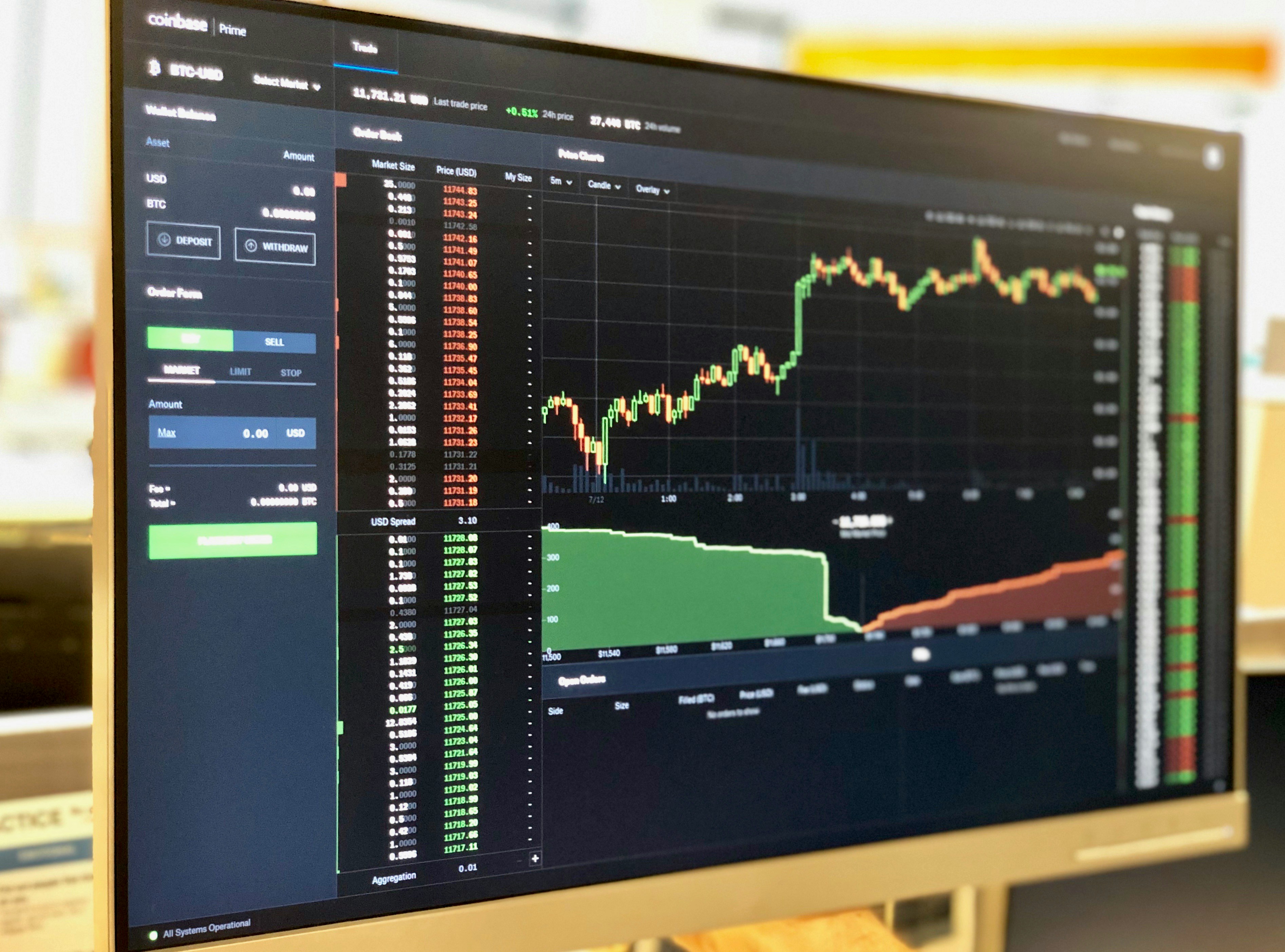
In recent times, the market has shown signs of a slightly bullish trend, particularly observed in the trading activities over the last 24 hours. This brief yet insightful period can provide valuable indicators of market sentiment and potential price movements. A bullish trend often signifies growing confidence among traders, which can drive up demand and, consequently, the value of various cryptocurrencies. Observing these trends is critical, especially for those looking to capitalize on short-term investments or long-term positions within the market.
Various analytical tools and methodologies are employed to track these emerging patterns, enhancing the investors’ ability to interpret data effectively. Technical analysis, sentiment analysis, and on-chain metrics offer insights into trading volume, price actions, and market reactions to external factors. Understanding these elements allows investors to develop strategies that align with current market dynamics. As researchers and influencers monitor trends, they contribute to a more comprehensive understanding of how events, ranging from regulatory developments to macroeconomic factors, can influence overall market behavior.
In summary, comprehending the prevailing trends in the cryptocurrency market is essential for anyone looking to invest wisely. As we delve deeper into the current landscape, this analysis will provide a clearer picture of investment opportunities and potential risks, enabling a more educated approach to managing cryptocurrencies.
Market Overview
The cryptocurrency market has experienced notable growth, with the global market capitalization currently estimated at approximately $3.84 trillion. This significant milestone reflects the increasing adoption and investment in digital currencies across various sectors. As markets fluctuate, it is vital to analyze recent performance and trends that contribute to the overall confidence within this ecosystem.
In the past 24 hours, cryptocurrency values have exhibited a moderate percentage change, characterized by a slight bullish trend. This trend has sparked renewed engagement from investors and traders, who perceive potential for future gains. The day’s trading volume often provides a barometer for gauging market interest; recent figures indicate a healthy level of transactions, underscoring that market participants remain active and optimistic.
The assortment of cryptocurrencies available, including major players like Bitcoin and Ethereum, along with an array of altcoins, reflects the diversified nature of the market. Each of these digital assets contributes uniquely to the collective market landscape. Bitcoin, often regarded as the market leader, has maintained significant stability, frequently influencing the direction of other cryptocurrencies. As institutional investment continues to pour into the space, this has further solidified confidence in the prospects of cryptocurrencies as a viable asset class.
Market trends can also be influenced by external factors such as regulatory developments, technological advancements, and macroeconomic conditions. Investors are advised to keep a close eye on these elements, as changes can lead to rapid shifts in market sentiment. Understanding these dynamics can provide deeper insights into the potential for continued growth and stability within the broader cryptocurrency market.
Market Sentiment Analysis
In recent analysis of the cryptocurrency market, a clear bullish sentiment has emerged over the past 24 hours, marked by a substantial disparity between buying and selling activities. The buying activity stands at an impressive 69.6%, while selling activity is significantly lower at 30.4%. This divergence in market behavior underscores a growing optimism among investors, suggesting a well-founded confidence in the potential for upward price movements in the near term.
This bullish sentiment can have profound implications for short-term trading strategies. Investors may interpret the increased buying pressure as a signal to enter the market, capitalizing on the heightened demand for various cryptocurrencies. The prevailing market psychology favors the notion that prices may continue to rise, thus encouraging more participants to engage in buying activities. Consequently, this shift in sentiment could lead to a more dynamic trading environment, characterized by increased volatility and potential for profit.
Furthermore, the current market sentiment reflects broader trends in investor confidence. When a majority of market participants display a willingness to buy rather than sell, it creates a positive feedback loop that can escalate price gains. This trend has the potential to attract even more investors, including those who might have previously adopted a cautious approach. As optimism builds, trading volumes may also increase, enhancing liquidity and further solidifying the bullish outlook.
Overall, the prevailing market sentiment indicates a favorable atmosphere for those engaging in short-term trading strategies. With buying activity significantly outpacing selling, investors seem inclined to take advantage of potential upward price movements. Consequently, monitoring the market sentiment remains essential for understanding future price dynamics and making informed investment decisions in this rapidly evolving landscape of cryptocurrency.
Assessing Volatility in Cryptocurrency Trading
Volatility is an inherent characteristic of cryptocurrency markets, which are often subject to rapid price fluctuations. However, recent trends indicate a period of low volatility, particularly during weekends, when trading volumes tend to decrease. This lull in market activity can provide unique insights into trader behaviors and strategic planning for both retail and institutional investors.
Low volatility periods may arise from reduced participation in the market, as many traders take a break from trading activities. Consequently, the limited volume leads to narrower price ranges, making the market appear more stable than during the weekdays. This stabilization can influence trading behaviors significantly; retail investors might view the diminished fluctuations as an opportunity to enter the market at less precarious times, while institutional investors may be less inclined to make large trades that could disrupt the equilibrium.
For many traders, especially those engaged in day trading, understanding low volatility conditions is crucial. During these times, price movements may not reflect the underlying fundamentals of the cryptocurrencies but rather the prevailing market sentiment and the limited engagement from larger players. Due to this, certain strategies, such as momentum trading, may become less effective. Instead, traders may consider adopting reversion to the mean strategies or employing limit orders to await favorable price points without the pressures of swift price shifts.
In a marketplace known for its unpredictability, recognizing these periods of low volatility allows all traders—whether retail or institutional—to reassess their strategies and risk tolerance. Furthermore, it emphasizes the importance of utilizing technical analysis tools, which can provide indicators of potential future movements even in stable market conditions. As the cryptocurrency landscape continues to evolve, this volatility assessment remains a key component in effective trading strategy planning.
Key Factors Influencing the Current Trend
The recent bullish trend in the cryptocurrency market can be attributed to several key factors, which combine to create a favorable environment for digital assets. One of the primary influences on this upward movement is the sustained interest from institutional investors. Throughout the past few years, large financial institutions and corporations have begun to diversify their portfolios by allocating a fraction of their assets to cryptocurrencies, signaling a growing acceptance of digital currencies as a legitimate investment class.
Additionally, the macroeconomic landscape plays a significant role in shaping market dynamics. Central banks’ decisions regarding interest rates and quantitative easing have led investors to seek alternative assets that may provide better returns than traditional investments. As inflation concerns rise and fiat currencies experience volatility, cryptocurrency is increasingly perceived as a hedge against these economic uncertainties.
Regulatory developments have also impacted the current trend. Positive regulatory news from major economies fosters confidence among investors and brings legitimacy to the cryptocurrency industry. Countries that embrace clear and favorable regulations tend to see increased participation from both retail and institutional investors. Furthermore, initiatives aimed at integrating cryptocurrencies into existing financial frameworks, such as payment systems and cross-border transactions, enhance their accessibility and utility.
Technological advancements play an equally important role in fostering market growth. The ongoing evolution of blockchain technology has resulted in improved security, scalability, and interoperability for various digital currencies. Additionally, the rise of decentralized finance (DeFi) platforms and non-fungible tokens (NFTs) has expanded the use cases for cryptocurrencies, attracting new participants to the market. The interplay between these advancements and the overall market sentiment contributes to a slightly bullish outlook as investors remain optimistic about the future of cryptocurrency.
Predictions for the Coming Days
As we analyze the current market behavior of cryptocurrencies, it is essential to consider various indicators that may influence short-term trends. Recent data suggests a slightly bullish trend that could have implications for investors and traders alike. Given the historical performance of cryptocurrencies, it is plausible to predict a continuation of this upward trajectory in the near future.
Market sentiment plays a significant role in shaping cryptocurrency trends. The recent increase in trading volume and engagement on various cryptocurrency platforms indicates growing interest from both institutional and retail investors. This renewed enthusiasm suggests that market participants might be anticipating a favorable environment for digital assets, likely leading to an upward movement in prices over the upcoming days. Additionally, historical patterns reveal that substantial price increases often follow periods of consolidation, reinforcing the possibility of a positive trend ahead.
Furthermore, macroeconomic factors, such as changes in regulatory frameworks and technological advancements, are crucial in driving market sentiment. The recent discussions around clearer regulations in various regions could potentially lead to higher confidence among investors. This confidence may manifest as an increase in capital inflows into the cryptocurrency sector. Moreover, the advancements in blockchain technology and decentralized finance (DeFi) platforms continue to enhance the appeal of digital assets, making them more attractive than traditional investments.
However, it is important to exercise caution and consider potential volatility. Cryptocurrency markets are historically prone to sudden fluctuations; therefore, while a bullish trend seems probable, it could encounter challenges along the way. Monitoring key support and resistance levels will be essential for traders to navigate this market effectively. Overall, the synthesis of market sentiment, historical behavior, and broader economic factors presents a cautiously optimistic outlook for the incoming days in the cryptocurrency market.
Investment Strategies in a Bullish Market
In a slightly bullish cryptocurrency market, investors have a unique opportunity to optimize their portfolios by implementing effective investment strategies. This phase, characterized by gradual upward movements in prices, warrants a careful approach to asset selection, risk management, and timing strategies. Ensuring a thorough understanding of market dynamics is critical for making informed decisions.
Firstly, asset selection is paramount. In a bullish trend, it is beneficial to focus on cryptocurrencies that demonstrate not only strong historical performance but also have robust fundamentals and active development teams. Investors might consider diversifying their portfolios across various sectors within the cryptocurrency landscape such as DeFi, NFTs, and Layer 2 solutions. This strategy spreads risk and increases potential returns. Additionally, keeping an eye on emerging projects can provide early-bird advantages as they align with the current bullish sentiment.
Risk management cannot be undermined during a bullish market. While the temptation to invest heavily in rapidly appreciating assets exists, prudent investors understand the importance of setting clear risk thresholds. Allocating only a portion of one’s capital to high-risk assets while maintaining a reserve for corrections is a recommended approach. Tools such as stop-loss orders can help mitigate potential losses if the market reverses unexpectedly.
Moreover, timing strategies play a significant role in capitalizing on bullish trends. Investors should monitor market sentiment through indicators such as the Relative Strength Index (RSI) or moving averages to identify optimal entry and exit points. Timing the market effectively can maximize gains while minimizing exposure to downturns, emphasizing the importance of continuous market analysis.
In conclusion, navigating a slightly bullish cryptocurrency market requires strategic asset selection, stringent risk management, and precise timing strategies. By adhering to these principles, investors can enhance their opportunity for success while maintaining a balanced approach toward risk.
Comparative Analysis with Previous Trends
The cryptocurrency market is known for its volatility and cyclical behavior, which can be observed through a comparative analysis of current trends against those from previous years. Historically, the cryptocurrency landscape has demonstrated patterns that inform both investors and analysts alike. Currently, we are witnessing a slight bullish trend, which brings to mind the market conditions observed during earlier rallies, notably in late 2017 and late 2020.
In 2017, the market experienced an unprecedented surge, driven largely by widespread speculation and increased media coverage. During this time, numerous altcoins emerged, significantly raising their market capitalizations. This period resulted in dramatic price increases for Bitcoin and other leading cryptocurrencies. In contrast, the price fluctuations seen in the initial months of 2023 are noticeably less extreme; however, they exhibit tendencies indicative of recovery and renewed investor interest.
In addition to price movements, trading volumes and market sentiment have shown signs of similarity to prior bullish phases. Increased trading activity in late 2023 correlates with patterns observed during historical bullish runs, suggesting a renewed optimism within the ecosystem. However, it is essential to recognize differences as well; the current regulatory environment is markedly more rigorous, impacting investment behaviors. Unlike in previous trends, investors today are more cautious, driven by the lessons learned during bear markets and the subsequent fallout from failed projects.
Overall, while there are clear similarities reflecting cyclical behavior, the current market’s subtle bullish stance is rooted in a more discerning investment climate. Understanding these trends in comparison to previous cycles can provide valuable insights into the overall health and future directions of the cryptocurrency ecosystem. This ongoing analysis remains crucial for stakeholders aiming to navigate this complex financial landscape effectively.
Conclusion and Final Thoughts
In this analysis, we have explored the current trends affecting the cryptocurrency market, highlighting a slightly bullish sentiment that appears to be taking hold among investors and traders. The recent data indicates a stabilization in prices and a gradual rise in market capitalization, which can be attributed to various factors such as increased institutional adoption, regulatory clarity, and ongoing technological advancements within blockchain ecosystems.
We have examined the supportive role that fundamental factors play in creating a more favorable environment for cryptocurrencies. As the market matures, investors are witnessing a transition from speculative trading to a more strategic approach, one which emphasizes the importance of research and understanding of digital assets. This shift is instrumental in mitigating fears associated with past volatility, thus fostering a sense of optimism regarding future performance.
Furthermore, it is crucial for all market participants to stay informed about emerging trends and developments within the cryptocurrency landscape. Market trends can be influenced by a multitude of factors, including geopolitical events, regulatory changes, and technological advancements. By remaining vigilant and aware, investors can make more informed decisions that align with their investment strategies.
Recognizing the importance of these market dynamics allows investors to navigate potential risks and seize opportunities in this evolving space. Ultimately, understanding the nuances of market trends can enhance one’s ability to capitalize on favorable conditions and to construct a balanced, diversified portfolio that reflects their risk tolerance and investment goals. As we move forward, it is evident that a combination of caution and informed optimism will guide participants in successfully engaging with the cryptocurrency market.