
Overview of Silver Market Movements
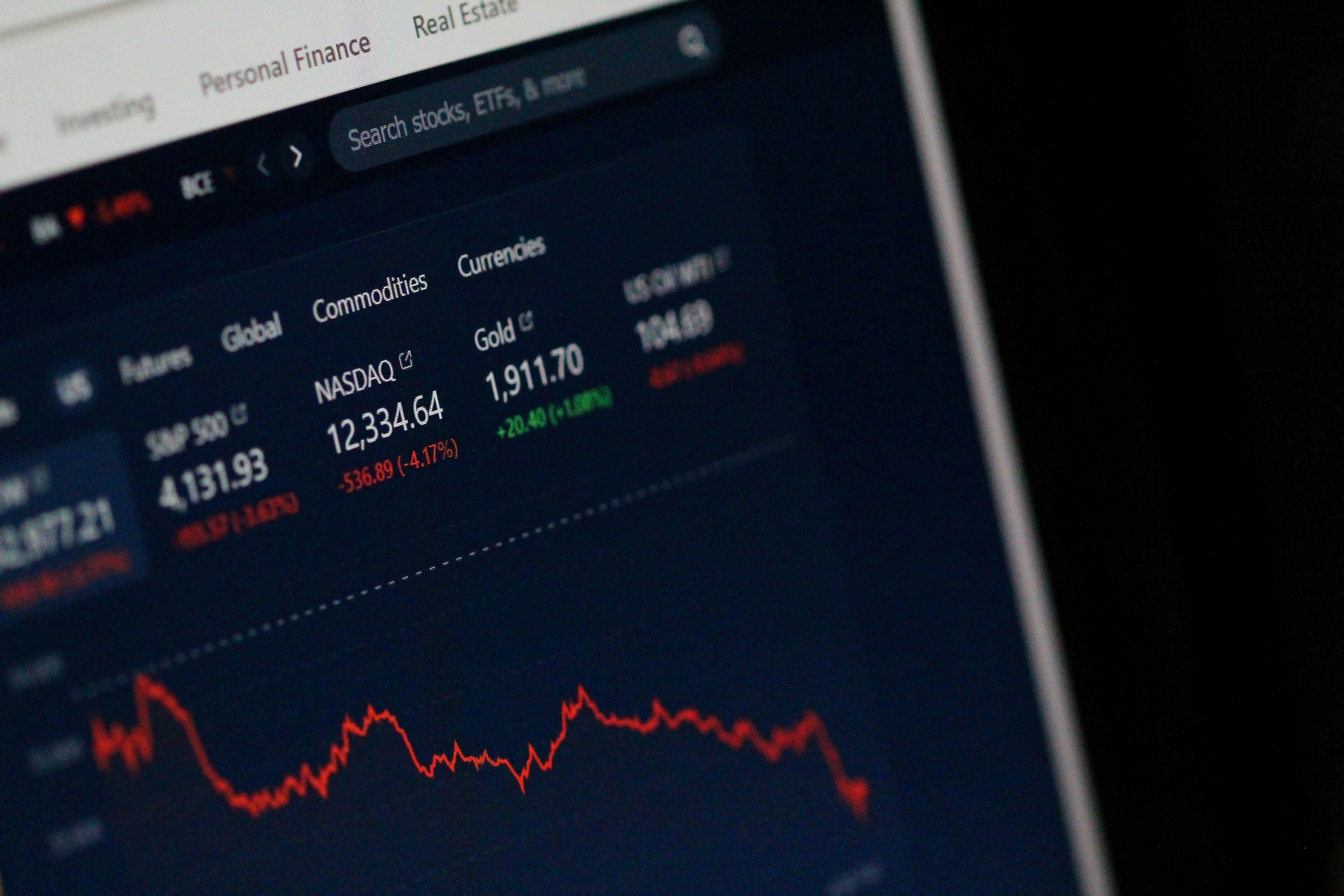
Recent trends in the silver market have revealed significant fluctuations that warrant close analysis. In particular, the past 24 hours have been characterized by a sharp decline in silver prices, culminating on October 27, 2025. This notable downturn has raised concerns among investors and market analysts alike. Prior to this decline, the silver market had showcased a record high price of $54.5 per ounce, marking a peak of investor optimism and demand for silver as a sought-after precious metal.
However, the current market dynamics have seen a breaking of the crucial support level previously established at $48 per ounce. The breach of this support tends to trigger further selling pressure, leading to increased volatility in the market. Analysts suggest that several factors may have contributed to this abrupt change, including shifts in global economic conditions, market sentiment, and changes in demand from key industries, such as technology and investment. Moreover, fluctuations in the U.S. dollar and geopolitical tensions can also impact silver prices, as they traditionally have in the past.
As the situation evolves, market participants are advised to monitor not only the immediate movements in the silver market but also the underlying factors influencing supply and demand. It is crucial for investors to understand that the precious metals market is inherently volatile, and significant swings can occur in relatively short timeframes. Keeping abreast of the latest news and trends will be essential for making informed decisions in this rapidly changing environment.
Price Dynamics: Range and Current Standing
In the past 24 hours, the silver market has exhibited noteworthy price dynamics, characterized by a significant fluctuation within a defined trading range. The trading activity during this period peaked at an impressive price of $48.69 per ounce, marking a moment of heightened market enthusiasm. However, this brief surge was followed by a substantial decline, with silver prices tumbling down to a low of $46.10 per ounce. Such volatility highlights the current challenges facing the silver market as traders navigate through fluctuations influenced by various external factors.
As it stands now, the price of silver is hovering between $46.60 and $46.80 per ounce. This positioning reflects a decline of over 4% during the session, indicating bearish sentiment among market participants. The factors contributing to this downturn may include macroeconomic indicators, shifts in demand, and changes in investor sentiment, among others. Investors and analysts keep a close watch on these price movements as they assess the overall market stability and potential future trends.
The recent price dynamics in the silver market encapsulate the complexities involved in precious metal trading. Understanding the range of prices observed—an impressive peak coupled with a significant low—provides invaluable insight into current market conditions. Such detailed observations are essential for traders making decisions based on real-time data. As the situation evolves, ongoing analysis will be critical for recognizing any emerging patterns that may influence silver prices in the immediate future.
Factors Influencing the Decline
The recent decline in the silver market has raised concerns among investors and analysts alike. Several key factors have contributed to this significant plummet, each interlinked in shaping the dynamics of silver prices. First and foremost, changes in US-China trade relations have played a vital role in influencing the market sentiment surrounding silver. As economic indicators fluctuate and tariffs become a point of contention, uncertainty surrounding trade policies has dampened investor confidence, causing a reactionary drop in silver demand.
Moreover, the wave of profit-taking from investors has compounded the downward pressure on silver prices. After a period of substantial gains, investors often seek to capitalize on their returns, prompting a sell-off that further depresses market values. This phenomenon is particularly pronounced in times of economic uncertainty, where the fear of a downturn may lead investors to liquidate their positions in precious metals, including silver. Consequently, this profit-taking behavior creates a cyclical effect, reinforcing the declining trends observed in the market.
Additionally, the current movement of capital away from safe-haven assets has become increasingly notable. As the global economic landscape evolves, many investors are reallocating their assets into higher-risk avenues, driven by the search for higher returns in a recovering economy. This shift away from traditionally safe investments, such as silver, indicates a broader confidence in economic recovery plans and the associated financial markets. As funds flow out of the silver market, the resultant decrease in demand serves to exacerbate the price decline.
In summary, the interplay between US-China trade relations, investor profit-taking, and the general migration from safe-haven assets has significantly influenced the recent downturn of the silver market. Understanding these underlying factors is crucial for predicting future trends in silver prices.
US-China Trade Dynamics and Market Sentiment
Recent developments in US-China trade relations have significantly influenced global market sentiment, impacting various asset classes, including silver. The optimism surrounding ongoing trade talks between the world’s two largest economies has created a favorable environment for investors, leading to a marked decrease in the perceived necessity for safe-haven assets. As a result, many market participants have shifted their focus away from silver, which traditionally benefits during periods of economic uncertainty.
Analysts have noted that the preliminary framework for a potential trade deal has sparked renewed confidence among investors. This has been particularly evident in the stock markets, where indices have rallied on the back of positive news flows. Improved trade dynamics have led to a belief that economic growth may be sustainable, reducing concerns that typically drive demand for safe-haven assets like silver. Consequently, the volatility that usually characterizes the silver market has diminished, as traders anticipate a more favorable economic landscape.
This shift in investor sentiment reflects a broader trend, where risk assets tend to outperform safe-haven options in environments marked by optimism in economic negotiations. As the prospect of a comprehensive trade agreement looms closer, the demand for silver as a protective measure against potential economic fallout has waned. Moreover, this dynamic exemplifies how interconnected global markets are, as developments in one area, such as trade negotiations, can ripple across various asset classes, including commodities like silver.
In light of these factors, it is clear that the sentiment surrounding US-China trade talks has played a pivotal role in shaping the current landscape of the silver market, reducing the demand for this precious metal as a refuge amid uncertainty. Understanding these intricate dynamics is essential for investors seeking to navigate the ever-changing marketplace effectively.
Impact of Profit-Taking on Silver Prices
The silver market has recently experienced a notable decline in prices, a phenomenon largely attributed to profit-taking following a period of significant price acceleration. After favorable developments in trade agreements and positive economic indicators, silver prices reached a peak that enticed investors to realize gains on their investments. This wave of profit-taking initiated a rapid increase in selling pressure, which subsequently contributed to the recent downturn in market prices.
Profit-taking occurs when investors decide to sell their assets after a price increase, aiming to secure profits before any potential market corrections. In the case of silver, the surge in its value prompted a substantial influx of sell orders from both individual and institutional investors. This heightened activity in the market led to an imbalance between supply and demand, with a pronounced increase in available silver pushing prices downward.
Moreover, the sentiment among traders following the positive news created a perfect storm for this profit-taking activity. As investors anticipated corrections or adjustments in the market, many opted to quickly liquidate their positions, reinforcing the existing trend of declining prices. This behavior is not unique to silver; it is common across various commodities and financial markets whenever significant gains are realized.
Additionally, external factors, such as fluctuating interest rates and global economic conditions, also played a role in the silver market’s dynamics. As investors reassess their strategies in light of changing market conditions, volatility around pricing often intensifies. Understanding the mechanisms behind profit-taking in the silver market is crucial, as it provides insight into the current trends and may help investors make more informed decisions in the future.
The Shift from Safe-Haven Assets to Riskier Investments
In recent months, the silver market has experienced significant fluctuations, reflective of a broader transition in investor behavior. Traditionally viewed as a safe-haven asset, silver has started to see a dwindling interest, as capital increasingly flows towards more aggressive investment options such as equities. This trend appears to be fueled by a declining perception of market volatility, which has encouraged investors to venture beyond safer assets.
The decline in risk aversion can be attributed to various economic indicators suggesting a stabilization in global markets. For instance, improvements in employment rates and consumer spending have cultivated a more optimistic outlook. As fear surrounding economic downturns wanes, many investors are reallocating their capital into stocks that promise higher returns, especially in a climate of low-interest rates. This transition underscores a pivotal shift in asset allocation strategies wherein traditional safe havens like silver no longer provide the allure they once did.
Moreover, advancements in technology and the accessibility of financial information have empowered individual investors to engage more actively in the stock market. As awareness of potential gains in equities increases, the attractiveness of silver diminishes. Enhanced trading platforms and investment tools also enable investors to execute strategies that prioritize growth, diverging from the conservative approach previously taken towards precious metals. As a result, we observe a noticeable downturn in silver demand, further exacerbated by fears of over-supply as production continues unabated.
This shift from safe-haven assets to riskier investments marks a substantial evolution in market dynamics. As investors recalibrate their portfolios, the silver market must adapt to this new reality characterized by a reduced appetite for protective assets. Understanding this trend is crucial for stakeholders in the silver market as they navigate an increasingly competitive investment landscape.
Analysts’ Perspectives: Technical Corrections vs. Long-Term Trends
The recent decline in the silver market has prompted a range of analyses from market experts and financial analysts. Many believe that the sharp decrease in silver prices can be characterized as a technical correction rather than a reflection of underlying weaknesses in demand. Technical corrections are common within volatile markets, especially when prices have previously surged significantly. This perspective posits that such adjustments are essential for stabilizing the market and enabling a future rebound in silver prices.
Analysts highlight that despite the current downturn, the long-term outlook for silver remains optimistic, primarily driven by its industrial applications and growing investment demand. Silver is widely used in various industries, including electronics, solar energy, and pharmaceuticals, which suggests a fundamental support for its price. Furthermore, increasing concerns regarding inflation and economic uncertainties have led investors to turn to precious metals as a safe haven, historically resulting in increased demand for silver.
Comparative Analysis: Silver vs. Gold Market Movements
The dynamics of the silver market have always been closely interconnected with the movements in the gold market. Both precious metals are often viewed as safe-haven assets, which means that shifts in investor sentiment and external market conditions can influence their prices in tandem. Recently, we have observed notable trends that demonstrate how the fluctuations in gold prices have mirrored those in the silver market, creating a compelling narrative for investors and analysts alike.
One of the primary factors causing these correlated movements is the prevailing economic uncertainty. During periods of heightened volatility, investors typically flock to gold as a traditional store of value. This increased demand often has a cascading effect on silver, as it is frequently viewed as a secondary option for those seeking refuge from market instability. For instance, when gold prices spiked due to geopolitical tensions or inflationary pressures, silver prices exhibited similar surges, indicating a synchronization of market sentiment towards both metals.
Furthermore, the industrial demand for silver offers an interesting layer to this comparative analysis. Unlike gold, which has little industrial application, silver is extensively used in various sectors, from electronics to renewable energy. As the global economy recovers or contracts, the impact on industrial demand can influence silver prices independently of gold. However, during times of economic optimism, we often see silver prices rising in sympathy with gold, as investors anticipate robust demand from industrial uses alongside its traditional role as a safe asset. This duality in demand can lead to parallel price movements that reflect a broader investor sentiment.
In light of these observations, we can conclude that while the silver and gold markets may have their unique drivers, recent trends highlight a pronounced relationship and interdependence shaped by economic conditions and investor behavior. This comparative analysis underscores the importance of monitoring both markets to gain a holistic understanding of precious metal trends.
Silver Price Forecast for the Coming Week
The silver market is poised for significant fluctuations in the coming week, particularly in light of the anticipated Federal Reserve rate decision. As market participants closely monitor central bank announcements, volatility in silver prices is expected to be influenced by interest rate forecasts and shifts in economic sentiment. Typically, an increase in interest rates tends to exert downward pressure on precious metals, including silver, as investors gravitate towards yield-bearing assets. Conversely, a dovish approach from the Federal Reserve could bolster silver prices, as it would likely prompt a flight to safety in the face of economic uncertainty.
Current trends show that the silver market has been reacting to broader economic indicators such as inflation rates and employment data. The interaction between these factors and monetary policy will be critical in determining silver’s trajectory over the coming week. Traders should be particularly attentive to remarks from Federal Reserve officials, as they could provide insights into future rate hikes or pauses. Additionally, shifts in geopolitical stability and currency fluctuations may further complicate the landscape for silver prices.
Analyzing technical indicators reveals that silver has recently encountered significant resistance at certain price points. Should the price manage to break through these levels, it could signal a bullish trend, allowing for a potential rebound. However, investors should remain cautious as the market sentiment is particularly sensitive in the face of any decision from the Federal Reserve. Overall, the outlook for silver remains nuanced and contingent on broader economic conditions, making it imperative for traders to stay informed of both market developments and macroeconomic signals.
You might also like:
- The Ongoing Humanitarian Crisis: A Closer Look at Heavy Casualties in Sri Lanka and Indonesia
- The UK Parliament Debates Defense Spending Amid Rising Tensions
- The Future of Apple Displays: Rumors and Legal Challenges
- Staying Updated: The Importance of 24-Hour World News
- Google Unveils Its Smartest AI Model Yet: A Leap Ahead in the AI Race