
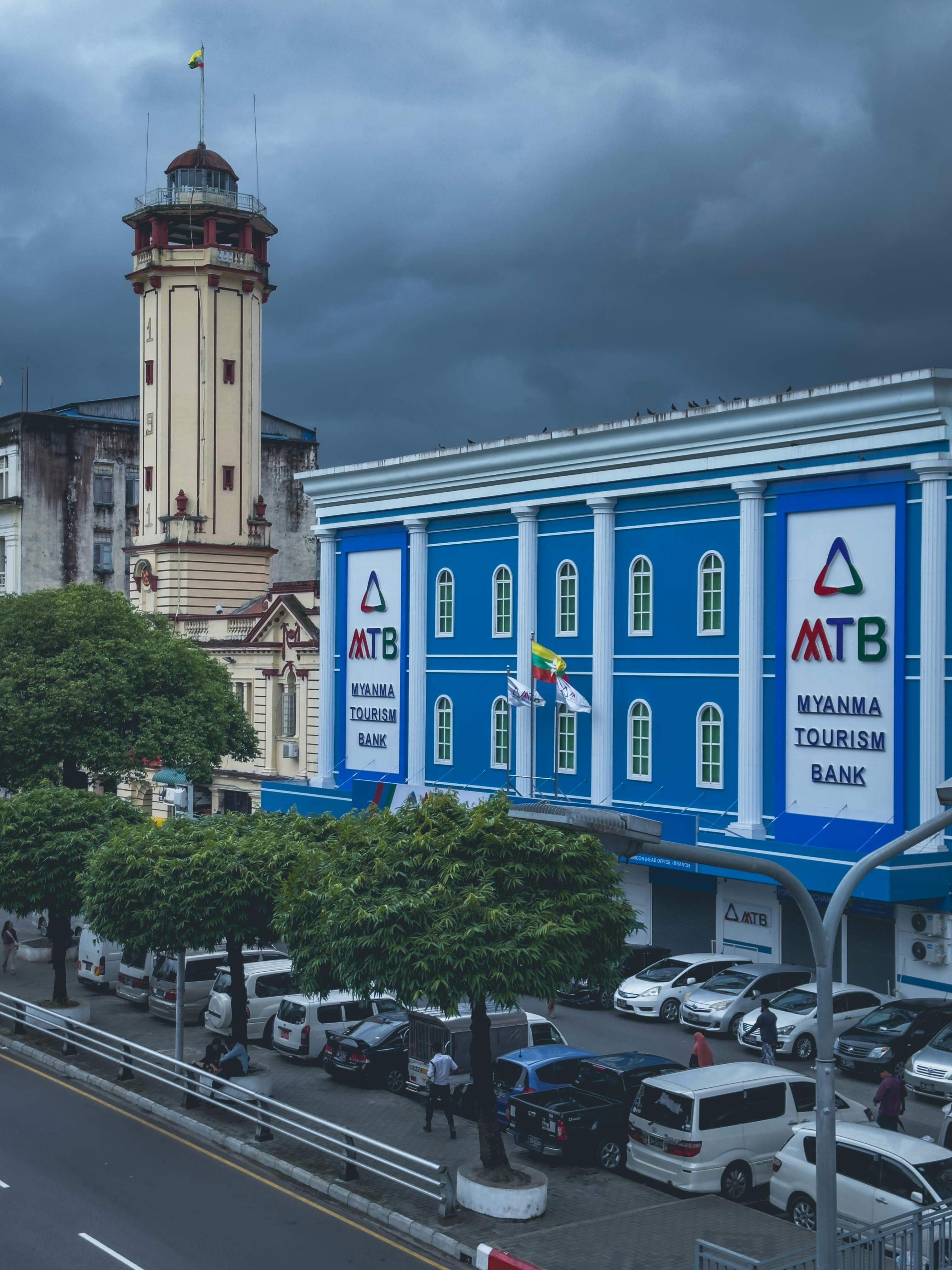
Background of the KK Park Scam Complex
The KK Park Scam Complex, situated in Myawaddy, Myanmar, was originally introduced as a vibrant tourist attraction. Established with the intention of boosting local tourism and regional economy, the complex eventually garnered notoriety due to its misleading claims and fraudulent activities. Initially promoted as a recreational facility with various amenities, including a theme park and accommodation options, the complex quickly became a focal point for both domestic and international visitors.
Reasons Behind the Military’s Decision to Destroy the Complex
The decision by the Myanmar military to destroy the KK Park complex stemmed from a myriad of complex motivations and justifications rooted deeply in the overarching security and political landscape of the region. One primary factor at play is the military’s commitment to addressing perceptions of corruption and illegal activities that they associate with the complex. The KK Park, which was purportedly linked to various illicit operations, raised serious concerns among military officials who perceived it as a threat to governance and order.
Moreover, the complex’s strategic location bordering Thailand is crucial. The Myanmar military has historically sought to assert control over border regions, which have often been enclaves of both economic activity and lawlessness. By dismantling such a prominent establishment, the military aims to reinforce its presence and showcase its capacity to govern effectively. This action also aligns with an effort to strengthen the military’s legitimacy, particularly in the eyes of both domestic constituents who may be disillusioned with unstable governance and international observers who scrutinize Myanmar’s ability to maintain law and order.
Additionally, the destruction of the KK Park complex reflects a broader military strategy to consolidate power amid ongoing internal challenges. The military’s engagement in such a vigorous operation signals its intent to regain lost authority and quell any potential uprisings that may threaten its hold on power. Ultimately, the military’s actions can be viewed as a tactical maneuver designed not only to dismantle perceived threats but also to reestablish an image of strength and unwavering stability within the fraught context of Myanmar’s regional dynamics.
The Operation: Details of the Destruction
The military operation that resulted in the destruction of the KK Park Scam Complex in Myawaddy was a meticulously planned initiative aimed at curbing illicit activities associated with the establishment. Local authorities conducted extensive reconnaissance before executing the operation, gathering intelligence regarding the complex’s operations and its impact on the community. The decision to dismantle the complex was influenced by a growing number of complaints from local residents regarding the negative implications of the scam operations, which reportedly involved fraudulent activities targeting unsuspecting individuals.
The unfolding operation was characterized by a significant deployment of military personnel, equipped with the necessary logistics and resources to ensure a swift and decisive execution. During the early hours of the operation, troops surrounded the complex, effectively isolating it from potential escape routes, facilitating a secure atmosphere for the task at hand. The military’s presence was profound, and local reactions varied; while some residents felt a sense of relief from the removal of a problematic entity, others showed apprehension regarding the military’s heavy-handed approach.
The demolition of the KK Park Scam Complex drew considerable media attention, with various local and international news outlets covering the event. Reports highlighted the operational tact demonstrated by the military, as well as the collaboration with local law enforcement agencies, which indicated an overarching commitment to restoring order and confidence within the region. Statements from military representatives underscored the necessity of such operations to mitigate the threat posed by organized crime against the citizenry. Furthermore, local authorities expressed their intentions to increase vigilance and preventive measures to deter similar establishments from emerging in the future. The operation not only dismantled a known scam facility but also signified a renewed stance against crime in Myawaddy, allowing for a broader conversation about safety and law enforcement in the region.
Aftermath and Implications for Myawaddy and Beyond
The destruction of the KK Park scam complex in Myawaddy marks a pivotal moment for both the city and the broader region. In the immediate aftermath of the military operation, residents were faced with a wave of uncertainty. The dismantling of such a significant local entity has implications for many aspects of life, particularly for the local economy heavily reliant on tourism and commerce. With the closure of establishments associated with the scam, many businesses that had catered to tourists are now left grappling with diminished foot traffic, threatening their viability and potentially leading to economic downturns.
Moreover, the military’s decisive action may foster a shift in local governance and law enforcement strategies. Residents are likely to have mixed feelings regarding the military presence in Myawaddy; while some might view it as necessary for enhancing security and enforcing the rule of law, others could perceive it as an intrusion into their civic life. This operation could compel local authorities to reevaluate their approach to crime and scams, thus paving the way for more stringent measures designed to ensure accountability and safety.
On a broader scale, the incident raises essential questions regarding the dynamics of military-civilian relations in Myanmar. This operation is emblematic of the ongoing political tensions that characterize the country, suggesting that similar military campaigns may occur as the government seeks to assert control despite the precarious state of civil governance. The implications extend beyond Myawaddy, prompting other regions to contemplate the necessity of military intervention in addressing local crimes and adding layers of complexity to the already tumultuous political landscape.
Ultimately, the aftermath of the destruction of the KK Park complex will reverberate through Myawaddy and beyond, influencing economic conditions, altering local governance frameworks, and affecting regional stability in Myanmar.
You might also like:
- EU’s €90 Billion Financial Aid Package for Ukraine: A Lifeline in Uncertain Times
- Macron’s Warning: Potential EU Tariffs on Chinese Goods and Its Implications
- Unearthing the Past: Discovery of a 400,000-Year-Old Fireplace in Suffolk
- 8wonder Winter 2025: A Dazzling Music Festival in Vietnam
- Recent Notable News: Remembering Artists and Fan Encounters