
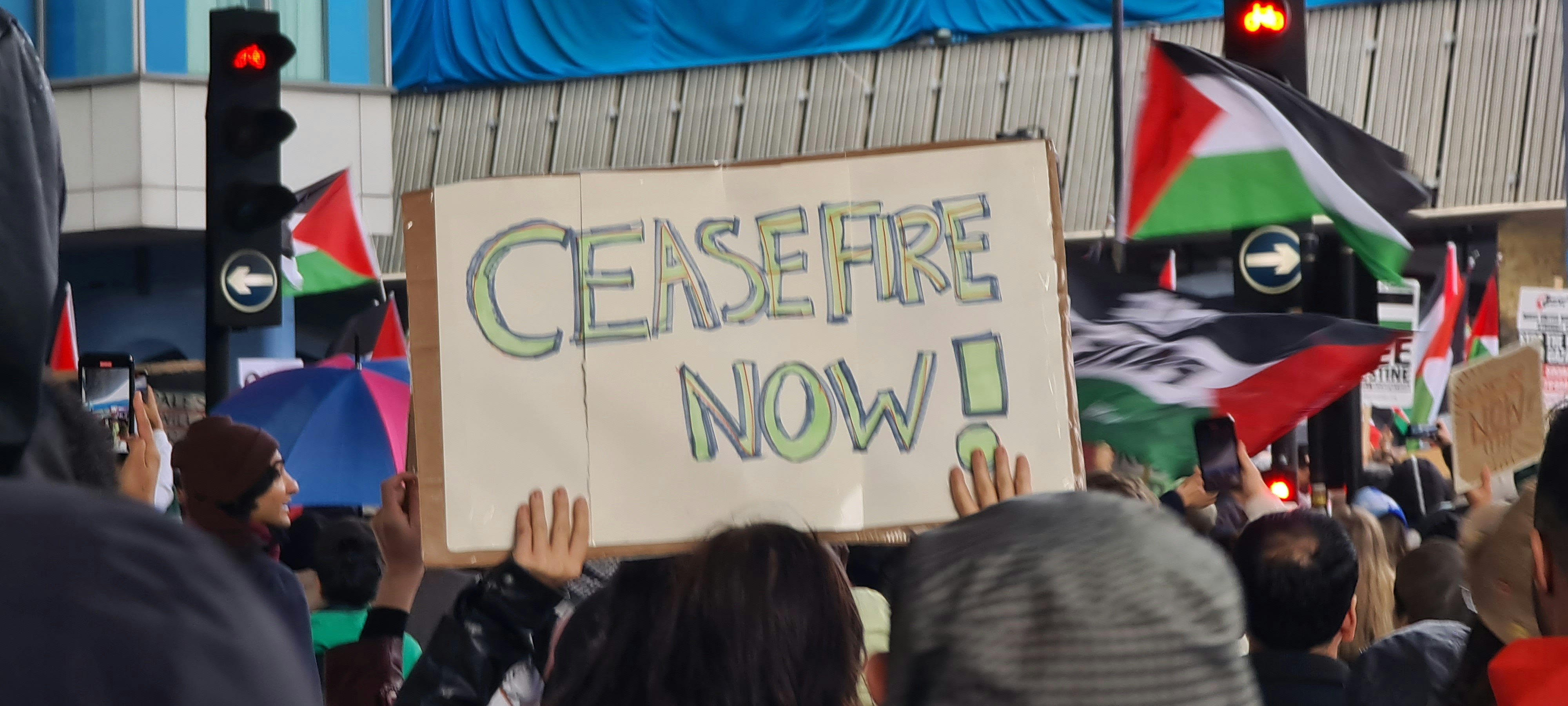
Overview of the Recent Fighting
The recent surge in violence in the Middle East has drawn significant attention due to escalating military actions and humanitarian crises. In particular, Israel’s air strikes across the Gaza Strip resulted in the tragic loss of at least 17 lives, marking a significant uptick in tensions. The timeline leading to these strikes can be traced back to a series of provocations and retaliatory actions that have characterized the Israel-Palestine conflict for decades. This latest escalation followed an increase in rocket fire from Gaza into Israeli territory, prompting Israel to respond with targeted military strikes aimed at Hamas positions.
Key players in this conflict include the Israeli government, led by Prime Minister Benjamin Netanyahu, and various factions within Gaza such as Hamas and Islamic Jihad. These groups have been involved in ongoing confrontations, fueled by deep-seated grievances and political motivations. The air strikes not only targeted militant infrastructure but also led to significant collateral damage, further complicating the humanitarian situation within the densely populated enclave.
On the ground, conditions in Gaza have deteriorated, exacerbated by the blockade and limited access to essential resources. The ongoing violence has resulted in the displacement of civilians, disruption of health services, and widespread trauma among the population. Humanitarian organizations have reported increased calls for assistance as families find themselves trapped in the crossfire.
In response to the fighting, regional leaders and international governments have voiced their opinions, with calls for de-escalation and renewed dialogue. However, the entrenched positions of the conflicting parties, coupled with external influences, have created further challenges in the peace process. The situation remains fluid, and the international community continues to monitor developments closely as the humanitarian impact deepens.
International Reactions and Diplomacy
The resurgence of conflict in the Middle East, particularly in Gaza, has elicited a multitude of responses from the international community, underscoring the global stakes involved in the regional instability. The United States has been a key player, advocating for a ceasefire to restore peace between the conflicting parties. Recent statements from U.S. officials have emphasized the need for immediate de-escalation and a commitment to dialogue as essential components for sustainable resolution. President Donald Trump’s administration has also raised concerns about Israel’s plans to annex portions of the West Bank, warning that such actions could jeopardize the fragile peace process.
Qatar, on the other hand, has adopted a more supportive stance towards the Palestinians. The Qatari government has facilitated humanitarian aid to Gaza while vocally advocating for the rights of Palestinian citizens. Its involvement underscores the importance of regional partnerships in addressing the humanitarian aspects of the conflict. Such international positions are crucial as they shape the diplomatic landscape, creating frameworks within which various stakeholders may negotiate potential resolutions to the ongoing violence.
Other countries, including Egypt and Jordan, have sought to mediate discussions, emphasizing the need for a collective effort to stabilize the situation. Their history of involvement in Middle Eastern peace initiatives positions them uniquely, enabling them to play intermediary roles that could lead to fruitful negotiations. The international community’s collective reactions highlight the complex interplay of diplomacy and geopolitical considerations that influence the dialogue surrounding the conflict.
In this intricate environment, the alignment or divergence of international positions will significantly impact future diplomatic efforts. The nuances of these reactions not only reflect immediate concerns but also lay the groundwork for potential negotiations aimed at long-term peace and stability in the region.
Consequences of the Strikes for Gaza and Israel
The recent air strikes in the Middle East have yielded significant and multifaceted consequences for both Gaza and Israel. In Gaza, the immediate aftermath has been devastating, with numerous casualties reported among civilians and militant factions alike. Inflicted harm has extended beyond loss of life to extensive damage to essential infrastructure, including healthcare facilities, schools, and vital utilities, which exacerbates the already dire humanitarian situation. The strikes have precipitated a potential humanitarian crisis, with shortages of food, water, and medical supplies. Many families have been displaced as residential areas become battlegrounds, leading to overcrowded refugee camps and further strain on limited resources.
On the other hand, the air strikes have influenced Israel’s security and political landscape. The Israeli government is faced with questions regarding public safety and the effectiveness of its military operations. Escalating violence often necessitates a reevaluation of defense strategies, and the strikes can alter public sentiment towards military actions and governmental policies. Fear of potential retaliatory attacks from militant groups in Gaza contributes to heightened anxiety within Israeli communities. Moreover, these developments impact Israel’s diplomatic relations with neighboring countries, which may call for a reassessment of foreign policy approaches to maintain regional stability or respond to growing international criticism.
The responses from militant factions in Gaza cannot be overlooked. The strikes have likely fueled their resolve, leading to calls for retaliation, which could generate a cycle of violence that complicates future negotiations. Increased military activity can strain relations with international actors advocating for peace and stability, further polarizing the conflicting parties. Overall, both the immediate and long-term implications of the air strikes underscore the complexities of the situation in Gaza and Israel, revealing the intricate interplay between military actions, security measures, and humanitarian concerns.
Looking Ahead: Potential Paths to Peace or Escalation
The future of the conflict in the Middle East is highly uncertain, particularly following the recent developments in Gaza. As the situation unfolds, several potential paths to either peace or escalation demand attention. Understanding the dynamics at play entails considering the roles of international mediators, local governance in Palestinian territories, and shifts in U.S. foreign policy. Each of these elements could significantly influence outcomes for the region.
International mediators have historically played a vital role in facilitating dialogue and negotiations between conflicting parties. The involvement of entities such as the United Nations, European Union, and various non-governmental organizations may be pivotal in addressing grievances. These mediators can offer frameworks for discussions, propose ceasefires, and help establish conditions conducive to peace talks. However, the effectiveness of such interventions often hinges on the willingness of local actors to engage in negotiations and accept compromises.
Local governance in the Palestinian territories presents another critical factor. The internal political landscape, characterized by divisions between factions like Hamas and the Palestinian Authority, complicates the pursuit of a unified approach to peace. The lack of cohesive leadership can impede efforts to negotiate effectively with Israel and manage public sentiment, which is often charged with the desire for justice and autonomy. Strengthening local governance structures may allow for more cohesive representation and potentially pave the way for more fruitful negotiations.
Furthermore, changes in U.S. foreign policy will likely have profound implications for the Middle East. A shift towards a more pragmatic or interventionist stance could unpredictably alter the conflict’s trajectory. Some analysts argue that the United States should play a more active role in mediating discussions, while others caution against heavy-handed approaches that might aggravate tensions. The perspectives of key stakeholders, including neighboring states and international organizations, will be crucial in shaping what comes next.
Ultimately, the paths to peace or continued escalation are complex and interrelated. Achieving lasting peace in the Middle East will necessitate multifaceted strategies, inclusive dialogue, and a commitment to addressing the underlying causes of conflict.
You might also like:
- Exploring the Coventry Ring Road (A4053): A Historical and Engineering Marvel
- Lewis Hamilton’s Crash: A Critical Moment at the Abu Dhabi GP
- Bitcoin Price Volatility Analysis: Current Trends and Key Indicators
- Stade Rennais Triumphs Over RC Strasbourg Alsace with a Dominating 4-1 Victory
- Understanding China’s Uneven Economic Recovery: An Analysis