
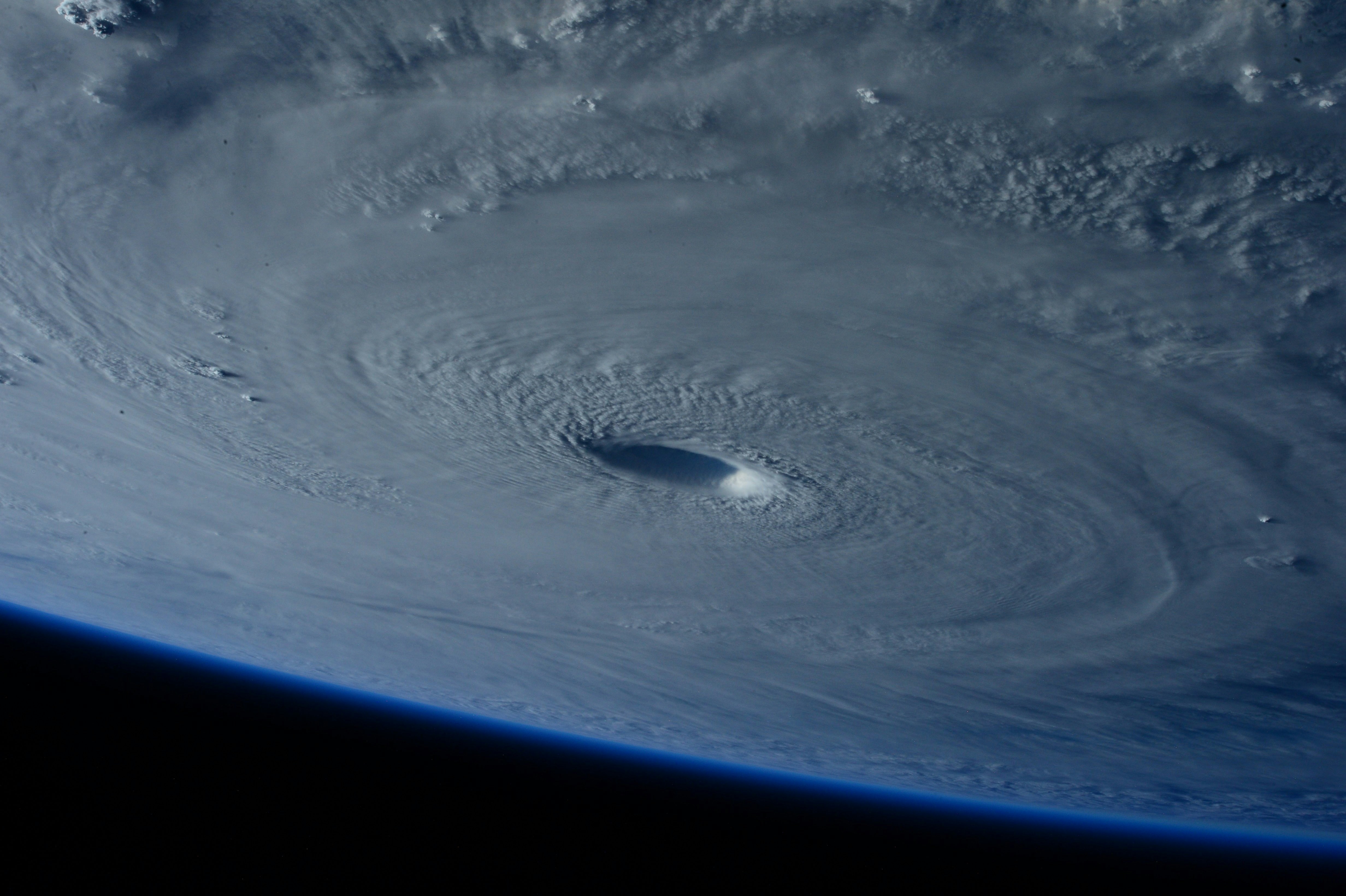
Understanding Hurricane Melissa’s Strength
Hurricane Melissa, classified as the strongest storm of 2025, exhibits characteristics that make it a subject of significant meteorological interest. Formed over warm ocean waters, Melissa’s rapid development can be attributed to a combination of several key factors. Firstly, the sea surface temperatures in the Caribbean region during this period have been unusually high, providing ample energy for the storm’s intensification. This phenomenon serves as a critical catalyst in hurricane formation, as warm water acts as fuel, enhancing wind speeds and overall storm organization.
In addition to favorable water temperatures, Melissa has benefitted from low vertical wind shear, which allows the storm to maintain its structure and energy levels. High levels of vertical wind shear typically disrupt the organization of storms, but in this case, the atmospheric conditions have permitted Hurricane Melissa to grow stronger and more organized as it approached Cuba. Meteorological data indicates that as the hurricane progresses, it has maintained a remarkably well-defined eye, which is often indicative of significant strength and category ranking.
When analyzing Melissa’s intensity, it is essential to reference the Saffir-Simpson Hurricane Wind Scale, which categorizes storms from 1 to 5 based on sustained wind speeds. Reports suggest that Hurricane Melissa could reach rapid intensification phases, potentially placing it in the upper echelons of category 5 storms. This classification places it among other historically powerful hurricanes, such as Hurricane Andrew and Hurricane Katrina. Meteorological studies highlight the patterns of intensity and duration, reinforcing the notion that Melissa’s strength is not only an anomaly but also a concerning trend in storm behavior as a result of changing climate conditions.
Impact on the Caribbean and Cuba
Hurricane Melissa is projected to take a path that could significantly affect Cuba and several neighboring Caribbean nations. Forecasts indicate that the storm will strengthen as it approaches the region, raising concerns about its potential impact on local communities and ecosystems. As with most hurricanes, one of the critical factors to consider is the predicted storm surge. Experts anticipate that Hurricane Melissa could generate surges exceeding three to five feet in various coastal areas, posing a substantial risk to low-lying regions.
Wind damage is another critical consideration. With sustained winds currently predicted to reach speeds of up to 100 miles per hour, local infrastructure, including homes, power lines, and communication systems, may face severe challenges. The extent of wind damage will depend on the storm’s precise trajectory and category at landfall. Drawing from previous hurricane events, such as Hurricane Irma in 2017, it is evident that the aftermath can lead to prolonged recovery efforts, particularly in remote areas where resources are already limited.
Rainfall forecasts suggest that areas directly impacted by Hurricane Melissa may experience heavy downpours, leading to flash flooding and exacerbating existing vulnerabilities. Rainfall totals could range from six to twelve inches, especially in mountainous regions, which may face landslides due to saturated soil conditions. The impact on ecosystems, particularly in sensitive coastal habitats, could also be significant, as storm runoff and flooding disrupt local fauna and flora integrity.
Historically, the Caribbean has faced numerous hurricane threats, highlighting the necessity for ongoing preparedness and response measures. The impending arrival of Hurricane Melissa serves as a poignant reminder for local communities to review their emergency plans and bolster infrastructure resilience. It is imperative for all stakeholders to heed weather updates and heed evacuation orders to mitigate adverse effects on human life and the environment.
Evacuation and Preparedness Measures
With Hurricane Melissa posing a significant threat to Cuba, evacuation orders have been issued for approximately 650,000 residents in the most vulnerable areas. These directives aim to ensure public safety as the superstorm approaches, necessitating a coordinated response from local authorities and emergency services. Mandatory evacuations have been prioritized in coastal regions and low-lying areas known for flooding and storm surges.
The logistics of this mass evacuation require meticulous planning and execution. Local transportation options include buses and designated shelters that help facilitate safe relocation for residents. Emergency services, including police and medical teams, are being deployed to assist with the process and ensure that those evacuated receive timely care and support. Furthermore, communities are encouraged to monitor local updates through various channels such as radio and community bulletin boards to stay informed about the status of the storm and evacuation routes.
In preparation for hurricane conditions, individuals and families are urged to take specific actions to mitigate the risks. First and foremost, assembling an emergency kit containing essential supplies is crucial. This kit should include non-perishable food items, water, medications, first aid supplies, flashlights, batteries, and important documents in waterproof bags. Moreover, families should create an emergency communication plan to ensure all members know how to reach each other in case of separation.
Additionally, securing homes by reinforcing windows and doors can provide added protection against high winds and debris. Residents living in flood-prone zones should keep abreast of weather updates and have an evacuation plan readily accessible. Understanding the unfolding situation and taking proactive measures can significantly reduce hazards during Hurricane Melissa. As the storm approaches, staying calm and organized will be essential for everyone affected.
Looking Ahead: The Aftermath of Hurricane Melissa
The aftermath of Hurricane Melissa poses significant challenges for the impacted regions, particularly in Cuba. Recovery efforts will likely necessitate a coordinated response from local governments, non-governmental organizations (NGOs), and international aid agencies. In preparation for the impending storm, authorities are already strategizing the deployment of resources to facilitate immediate disaster response. This includes setting up emergency shelters, ensuring the provision of food, water, and medical supplies, as well as mobilizing teams for search and rescue operations. The need for efficient communication systems to disseminate crucial information to the public cannot be overlooked, as timely updates can significantly mitigate risks and enhance survival rates during and after the hurricane.
Public health considerations will become increasingly vital in the aftermath of Hurricane Melissa. The storm’s impact may lead to a rise in waterborne diseases due to flooding and the contamination of local water supplies. Health officials must prioritize disease prevention measures, including vaccination campaigns and the establishment of sanitation protocols in shelters and affected communities. Psychological support services will also be critical, as natural disasters can lead to long-lasting mental health challenges within affected populations.
Long-term rebuilding strategies will encompass not only reconstructing physical infrastructure but also enhancing the resilience of communities to future hurricanes. There must be an emphasis on improving building codes and land-use planning to minimize vulnerability to similar storms. Additionally, the influence of climate change on hurricane development and intensity highlights an urgent need for comprehensive climate resilience measures. Policymakers and community leaders must advocate for initiatives addressing greenhouse gas emissions and climate adaptation strategies. Engaging the public in these discussions is essential to foster collective responsibility and action in the face of climate change, which affects the severity and frequency of storms like Hurricane Melissa.
You might also like:
- Aljamain Sterling would’ve thought to be retirement with loss at UFC Vegas 116
- Rep. Lauren Boebert Criticizes Trump Over Vetoed Water Project
- The Ancient past and Thought of the Victoria Rotten
- Blue Owl’s Recent Challenges in Private Credit Funds
- Trump ballroom project safety funding integrated in $72B GOP enforcement bill – Politico
