
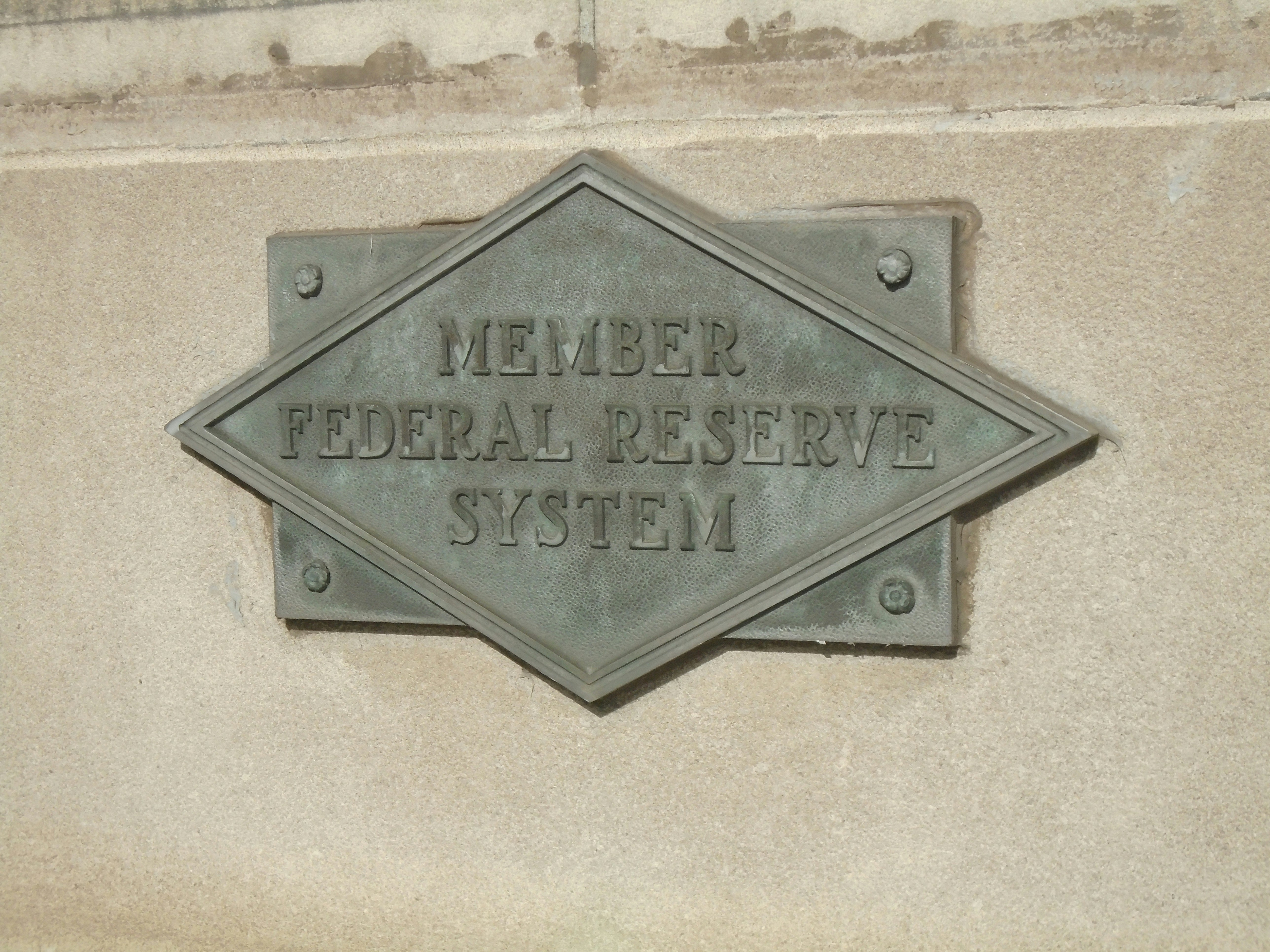
The Context Behind Trump’s Criticism
President Donald Trump’s public criticism of Federal Reserve Chairman Jerome Powell cannot be fully understood without examining the broader economic context surrounding these remarks. Entering 2023, the U.S. economy faced rising inflation rates that stirred concerns among both consumers and policymakers. Inflation rates reached levels not seen in decades, prompting the Federal Reserve to take decisive action, including multiple interest rate hikes aimed at curbing price increases. These measures have a significant effect on borrowing costs for consumers and businesses alike, amplifying the pressure on the economy.
During this time, Trump’s discontent with the Federal Reserve’s monetary policy had been growing, particularly regarding its stance on interest rates. Historically, Trump has expressed a preference for lower interest rates, suggesting that they stimulate economic growth. His wishes were so pronounced that he openly criticized the Fed for increasing rates when he deemed it unnecessary. This persistent narrative has positioned him at odds with Powell, who is tasked with maintaining economic stability, even if it means making unpopular decisions that might not align with Trump’s vision.
The significance of Trump’s latest critiques is magnified by the ongoing economic challenges that the country faces. With supply chain disruptions, geopolitical tensions, and the lingering effects of the COVID-19 pandemic, the economic landscape remains precarious. It is crucial to understand that Trump’s timing is not coincidental; his statements reflect both political maneuvering and an attempt to exert influence over Federal Reserve policy in a turbulent economic environment.
As we observe this evolving dynamic, it becomes clear that tensions between the executive branch and the Federal Reserve may signal a shift in leadership as policymakers grapple with the complexities of the current economic climate.
Details of Trump’s Criticism and Future Plans
Former President Donald Trump has increasingly expressed his discontent with Federal Reserve Chairman Jerome Powell. Trump characterized Powell as “incompetent” in a series of public statements, reflecting a significant shift in his perception of the central bank’s leadership. This harsh rhetoric stems from a combination of factors, including Powell’s approach to interest rates and monetary policy during a period of economic uncertainty. Trump has been particularly vocal about his belief that higher interest rates could stifle economic growth, especially as the nation continues to recover from the pandemic’s aftermath.
Beyond his frustration with Powell, Trump’s criticisms indicate larger concerns regarding the Federal Reserve’s independence and its impact on the economy. The former president’s public remarks suggest he seeks tighter control over monetary policy, a sentiment that could reshape the relationship between the White House and the Federal Reserve. Such dynamics are crucial to understanding how the economic landscape may evolve, particularly if Trump’s rhetoric drives home a narrative focused on external pressure exerted on central bank officials to align with executive preferences.
Trump’s indications of searching for a replacement for Powell raise an essential question about future monetary policy. A change in leadership at the Federal Reserve could lead to new strategies for managing inflation and interest rates. The repercussions of such a shift could significantly affect economic stability and market reactions. Investors might respond cautiously to the prospect of new leadership, weighing the potential volatility against the benefits of a fresh approach to monetary policy.
This ongoing tension illustrates the critical intersection of politics and economics, particularly as Trump navigates his post-presidential era while remaining a potent force within the Republican Party. The outcomes of these developments will likely have profound implications not only for domestic policies but also for global economic relations.
Scott Bessent: A Potential Successor?
In the ongoing discourse surrounding the Federal Reserve’s leadership, Scott Bessent has emerged as a notable candidate to succeed Jerome Powell should President Trump decide to make a change. As the current Treasury Secretary, Bessent possesses a strong financial background and notable experience within the government, which could position him well for the role of Fed Chairman. Having previously served as the Chief Investment Officer of a large investment firm, Bessent has demonstrated an acute understanding of market dynamics and monetary policy.
Bessent’s educational credentials further bolster his qualifications. He holds an MBA from a prestigious institution, which, coupled with his substantial professional experience, underlines his capabilities in managing complex economic strategies. His track record in navigating both public policy and investment challenges speaks volumes about his potential effectiveness in a leadership role at the Federal Reserve. Throughout his career, he has been involved in fiscal strategies that prioritize economic growth, aligning closely with President Trump’s objectives aimed at stimulating the economy.
Moreover, Bessent has advocated for more active monetary policy, which could signal a shift in the Federal Reserve’s approach if he were to take the helm. His perspective on interest rates and inflation management could contrast sharply with Powell’s more cautious stance, leading to significant deviations in Fed policy. By fostering a more aggressive monetary stance, Bessent might aim to introduce measures that are perceived as more aligned with the current administration’s vision. As financial markets respond to shifts in policy direction, Bessent’s potential appointment could usher in a new era for the Federal Reserve, one that prioritizes the economic strategies projected by the Trump administration.
Implications for Economic Policy and Market Reactions
The public criticism of Federal Reserve Chairman Jerome Powell by former President Donald Trump represents a significant moment in the interplay between fiscal policies and the political landscape of the United States. Trump’s remarks have raised concerns about the Federal Reserve’s autonomy and its crucial role in shaping monetary policy. Such dynamics may lead to shifts in investor confidence and market volatility, given the fragile state of economic recovery post-pandemic.
Market reactions to political commentary regarding the Fed are often immediate and pronounced. Investors tend to assess the implications of leadership changes within the Fed as they consider how these alterations might influence interest rate trajectories. If Powell were to be replaced, there could be an increased likelihood of adopting a more accommodative monetary stance aimed at stimulating growth. Conversely, skepticism over a potential new chair could lead to heightened interest in risk assets, as investors reassess their portfolios in the face of uncertainty.
Furthermore, changes in interest rate policies resulting from a new Fed chair can profoundly affect various economic indicators. For instance, a lower interest rate environment seeks to bolster economic growth by encouraging borrowing and spending. This could lead to improvements in employment rates and overall expansions in GDP. However, such policies may also stir concerns regarding inflation, prompting debates among economists about the balance between supporting growth and maintaining price stability.
In conclusion, the implications of Trump’s critique of Powell and the possibility of a leadership change at the Federal Reserve could reverberate across financial markets. Investor sentiment will likely remain cautious as they monitor developments, aware that shifts in economic policy may greatly impact inflation, employment, and overall economic growth. Understanding these nuances will be crucial for stakeholders navigating this evolving landscape.
You might also like:
- The Evolving Labor Market: Impact on Workers in the Age of Automation
- Chicago Fire FC Signs MLS Forward Jason Shokalook: A New Era in Sports Recruitment
- Shiba Inu (SHIB) Market News and Trends: 24-Hour Global Analysis
- Understanding the UK Stock Market: A Comprehensive Guide
- Understanding ‘Rage Bait’: The Word of the Year 2025