
Introduction to Energy Cooperation Between the UK and Vietnam
The energy cooperation initiative between the United Kingdom and Vietnam plays a significant role in both countries’ energy strategies, particularly in the realm of renewable resources. As global concerns about climate change and energy sustainability grow, nations are increasingly looking to enhance their energy capabilities through international collaboration. The UK has established itself as a leader in offshore wind power, boasting extensive experience and technological advancements in this sector. This leadership is evident in the substantial investments the UK has made in offshore wind energy, which have led to a major boost in the country’s renewable energy generation and a commitment to reducing carbon emissions.
Simultaneously, Vietnam is striving to develop its renewable energy sector, recognizing the pressing need to transition towards more sustainable energy sources. With a rapidly growing economy and increasing energy demands, Vietnam aims to diversify its energy mix by integrating more renewables, especially in the offshore wind domain. The country’s ambitious targets for renewable energy generation align with its long-term energy security goals and environmental commitments. The collaboration with the UK offers Vietnam access to technology, expertise, and investment that can accelerate the realization of its renewable energy objectives.
The context of the energy trade delegation’s visits is crucial for reinforcing these bilateral relations. This third visit highlights the ongoing commitment between the UK and Vietnam to exchange knowledge, best practices, and investigate opportunities for direct investment in offshore wind projects. Such visits not only promote the sharing of technical expertise but also strengthen diplomatic ties, paving the way for more robust collaboration in addressing the challenges of climate change and energy transition. By working together, the UK and Vietnam aim to build a sustainable future powered by clean energy while fostering economic growth and development.
The Role of Offshore Wind Power in Sustainable Energy Development
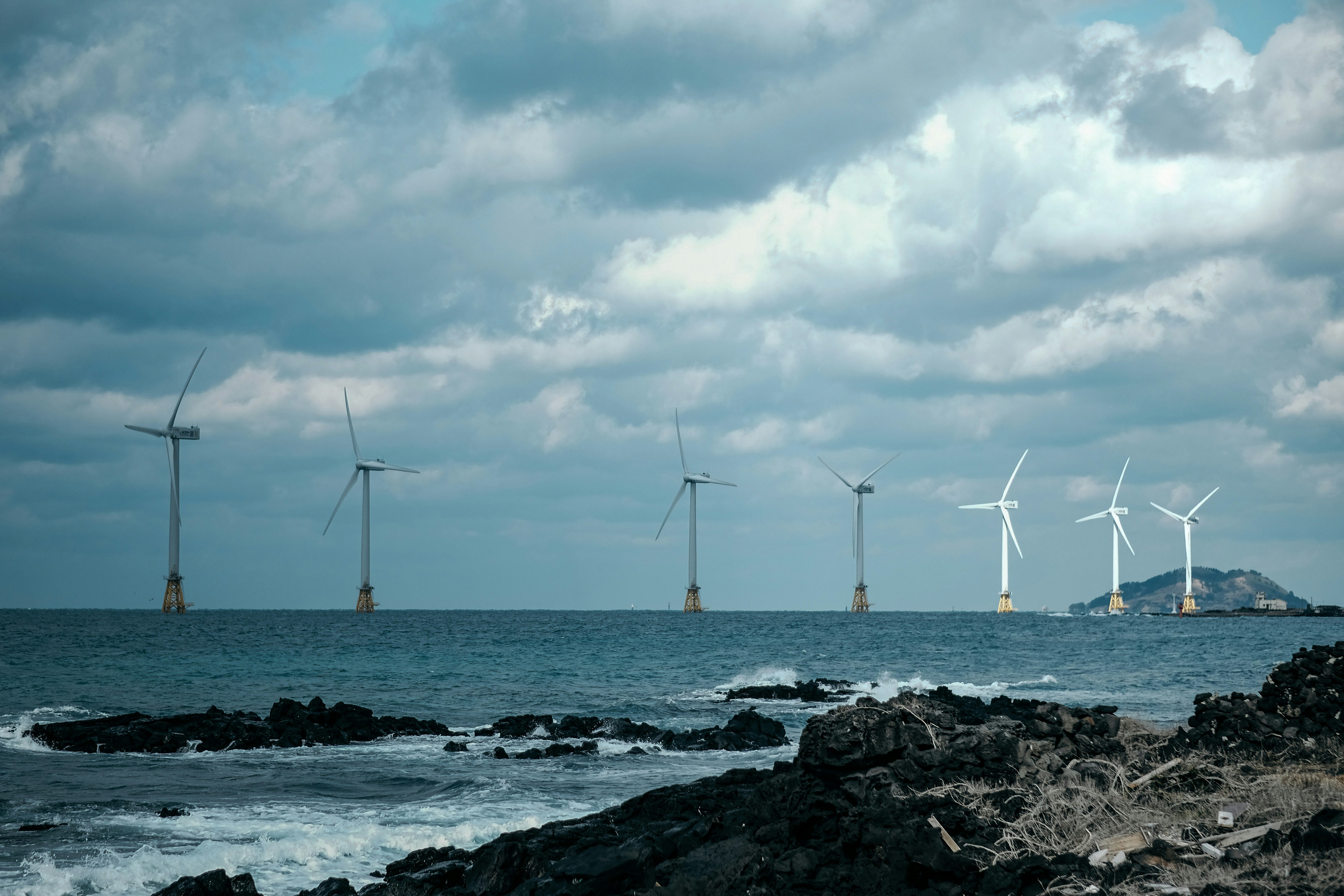
Offshore wind power has emerged as a pivotal contributor to sustainable energy development, offering a multitude of advantages that align with global renewable energy goals. The growth of this sector is imperative in the ongoing efforts to combat climate change, as it significantly reduces carbon emissions. By harnessing wind energy from vast oceanic resources, countries can transition away from fossil fuels, which are a primary source of greenhouse gases. This shift not only aids in diminishing the environmental footprint but also promotes a greener economy.
In addition to environmental benefits, offshore wind power enhances energy security by diversifying energy sources. By tapping into the robust and consistent winds found offshore, nations can reduce their dependency on imported fossil fuels. This diversification provides stability in energy supply and fosters resilience against fluctuating market conditions. As a result, countries can mitigate the risks associated with energy shortages and price volatility, making offshore wind a strategic asset in energy planning.
The economic opportunities associated with offshore wind initiatives are considerable. The development and maintenance of offshore wind farms create jobs in manufacturing, construction, and operations. This transition to a low-carbon economy not only generates employment but also stimulates local economies through increased investment and infrastructural development. Moreover, advancements in technology play a crucial role in optimizing offshore wind projects. Innovations such as floating turbine technology and enhanced grid connections allow for the exploration of deeper waters and less accessible regions. These advancements reflect a collaborative effort among nations, such as those demonstrated during the UK Energy Trade Delegation’s visits to Vietnam, aimed at fostering partnerships and knowledge sharing in sustainable energy practices.
Outcomes and Highlights from the Delegation’s Working Visit
The recent visit of the UK energy trade delegation to Vietnam marked a significant milestone in reinforcing bilateral cooperation in offshore wind power. The week-long meetings facilitated fruitful discussions among key stakeholders, resulting in meaningful agreements aimed at fostering collaboration and facilitating the sharing of expertise. The UK delegation, comprising industry leaders and renewable energy experts, engaged with their Vietnamese counterparts to explore a range of offshore wind power initiatives.
During the visit, the delegation focused on various critical elements of offshore wind development, including regulatory frameworks, technology transfer, and investment opportunities. Notably, the signing of a memorandum of understanding (MoU) between UK and Vietnamese entities underscored the commitment to joint ventures in offshore wind project development. The MoU outlines specific areas for cooperation, paving the way for substantial advancements in both technical and operational capacity in the Vietnamese energy sector.
Several proposed projects emerged from the discussions, reflecting the ambitions of both parties to capitalize on Vietnam’s vast offshore wind resources. The projects aim to enhance renewable energy production while also addressing the growing energy demand in Vietnam. Moreover, the delegation provided insights into best practices for integrating offshore wind power into national grids, which was well-received by Vietnamese stakeholders.
Looking ahead, the focus will be on defining the implementation stages for these projects and establishing a collaborative framework that encourages continuous dialogue. The exchange of knowledge is expected to enrich the skills of the Vietnamese workforce, ultimately benefiting the offshore wind sector. The outcomes of this visit highlight the promising trajectory of UK-Vietnam cooperation, emphasizing both nations’ commitment to sustainable energy development.
Future Prospects for UK-Vietnam Energy Cooperation in Offshore Wind
The future of energy cooperation between the UK and Vietnam, particularly in the offshore wind sector, presents a landscape rich with opportunities and challenges. As both nations pursue their renewable energy objectives, they stand to benefit significantly from shared expertise and technological advancements. The UK, recognized as a global leader in offshore wind power, has an established framework that Vietnam could leverage to enhance its own burgeoning sector.
One of the key challenges facing this partnership revolves around regulatory frameworks and investment climates. Vietnam is rapidly developing its offshore wind resources, yet there remains a need for a more structured regulatory environment to attract foreign investment. Both governments can play a vital role in addressing these barriers by fostering a conducive atmosphere for investment and ensuring that regulations are both transparent and favorable. This cooperation can be further strengthened by bilateral agreements that promote technological exchange and streamline investment processes.
Emerging opportunities in the region are bolstered by Vietnam’s commitment to achieving significant renewable energy targets by 2030. With ambitious plans to increase renewable energy generation, the country seeks to harness its vast offshore wind potential. The UK can provide not only technology but also training programs to enhance local capabilities. This partnership could introduce new methodologies and innovations that enhance operational efficiencies in offshore projects.
In addition, addressing global energy needs in a changing climate is another critical aspect of UK-Vietnam cooperation. By working collaboratively, both nations can lead in promoting sustainable practices and addressing energy security. This partnership not only ensures a reliable energy supply but also positions both countries at the forefront of the global transition towards renewable energies.
The long-term vision for the collaboration between the UK and Vietnam in offshore wind energy underscores a commitment to sustainability, innovation, and mutual growth, ensuring that both nations are well-prepared to meet future energy demands.
You might also like:
- The History of the Formation of the United States
- The 4th Asia-Europe International New Music Festival – 2025: A Melodic Fusion of Cultures
- Understanding the Rise of Agentic AI: The Next Step Beyond Generative AI
- The Evolution and Significance of Rock Music
- Current Trends in World Gold Prices: A Closer Look at Spot Gold Dynamics