
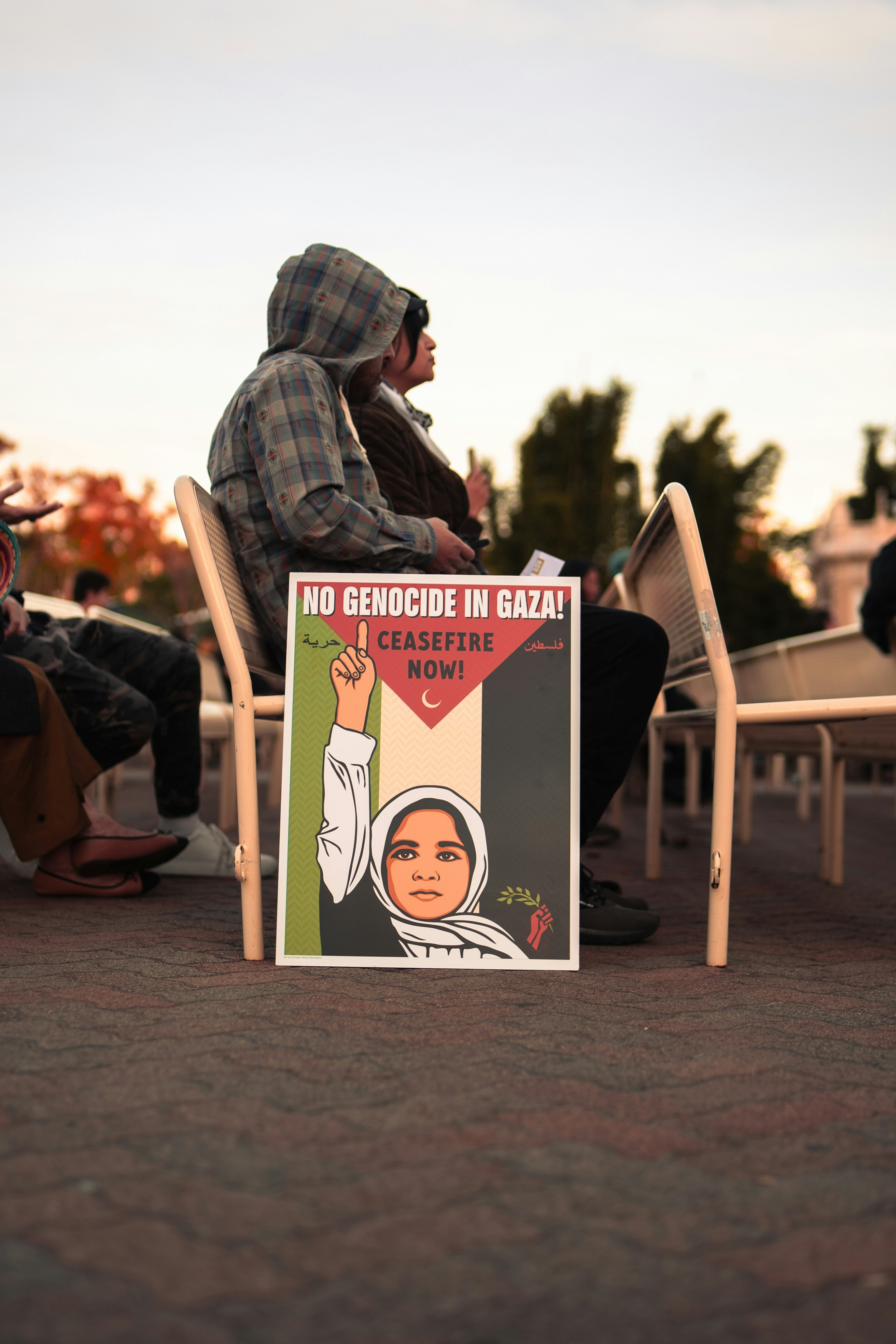
Background of the Israel-Hamas Conflict
The Israel-Hamas conflict has roots that extend back several decades, deeply intertwined with the broader Israeli-Palestinian dispute. Hamas, an acronym for Harakat al-Muqawama al-Islamiyya, was established in 1987 during the First Intifada, a Palestinian uprising against Israeli occupation. Its creation marked a significant shift in Palestinian governance, as it combined both military resistance and social services within the Gaza Strip. Initially, Hamas emerged as an offshoot of the Egyptian Muslim Brotherhood, promoting an Islamic alternative to the secular Palestine Liberation Organization (PLO). This rivalry has greatly influenced the dynamics of Palestinian politics.
Over the years, the political landscape in Gaza has evolved considerably. In 2006, Hamas won a decisive victory in the Palestinian legislative elections, leading to a power struggle with Fatah, the dominant faction of the PLO. This culminated in violent clashes in 2007, resulting in Hamas taking full control of Gaza. The Palestinian Authority, led by Fatah, governed parts of the West Bank, further fracturing any unified Palestinian representation. This division has complicated peace negotiations and has entrenched conflicting narratives.
Violence has frequently erupted in this context, with significant escalations occurring in 2008-2009, 2014, and again in 2021. Each confrontation has its triggers, often rooted in retaliatory actions, rocket fire from Gaza, and Israeli military responses. Civilian casualties on both sides have sparked international condemnation and drawn global attention to the humanitarian situations in Gaza and Israel. The ongoing tensions are fueled by issues like territory, refugees, and the status of Jerusalem, which remain unresolved in peace talks. A nuanced understanding of these historical events is essential to grasp the intricacies of the current conflict and the significance of recent developments in the region.
Latest Developments: Raids and Casualties
The ongoing Israel-Hamas conflict has seen a recent escalation marked by renewed air raids launched by Israel on the Gaza Strip. These airstrikes, aimed at specific Hamas targets, come after Israel accused the militant group of breaching previously agreed-upon ceasefire terms. Such violations have led to a severe deterioration of the already fragile situation in the region, prompting a swift military response characterized by intensive bombardments.
In the aftermath of the air raids, civilian casualties have surged alarmingly, compounding the humanitarian crisis faced by the residents of Gaza. Reports indicate that dozens of people have been killed, including women and children, raising significant concerns among international observers and humanitarian organizations. The United Nations has expressed deep concern about the rising number of casualties and the growing impact of airstrikes on civilian infrastructure, including homes, schools, and hospitals. Such developments not only highlight the immediate human cost of the renewed conflict but also reflect the broader implications for peace in the region.
The tensions further illustrate the complexities surrounding the ceasefire agreements, which have, in recent years, been fragile at best. Following periods of relative calm, any reoccurrence of hostilities brings the risk of widespread violence and brings into question the effectiveness of international diplomatic efforts to mediate a lasting solution. The situation remains highly volatile as both sides continue to trade accusations; Israel cites its right to self-defense against Hamas rocket attacks, while Hamas construes the air raids as disproportionate and indicative of broader aggression against the Palestinian people.
The conflict’s resurgence underscores an urgent need for dialogue and negotiations to address the underlying issues that perpetuate this cycle of violence, emphasizing the importance of restoring a sustainable peace that prioritizes the safety and well-being of civilians caught in the crossfire.
Ceasefire Dynamics: Announcement and Implications
The Israel-Hamas conflict has been characterized by intermittent ceasefires, with negotiations often shrouded in complexities and tensions. Recently, reports surfaced suggesting the restoration of a ceasefire following a series of Israeli raids, which exacerbated the already volatile situation in Gaza. These announcements, while providing a momentary reprieve from hostilities, bring forth a myriad of implications that extend beyond immediate security considerations.
Ceasefire agreements between Israel and Hamas are generally seen as crucial for maintaining a semblance of calm and allowing humanitarian aid to flow into the besieged territory. However, the intricacies of these negotiations are influenced by various factors, including the political landscape within Israel, the operational objectives of Hamas, and the involvement of external actors. Following escalated confrontations, international stakeholders often become pivotal in mediating ceasefire efforts. Notably, the role of the United States has historically been significant, with various administrations actively attempting to navigate the intricate dynamics at play.
During recent developments, President Donald Trump reiterated the US commitment to supporting a ceasefire. His administration’s reassurances aimed to stabilize the situation and encouraged both parties to engage in dialogue. This highlights the crucial interplay between local hostilities and international diplomatic efforts, which can either facilitate or hinder progress. The challenge remains in ensuring that ceasefire agreements are not only announced but are also durable and adhered to by both sides. The past experiences of breached ceasefires underscore the necessity for robust mechanisms and trust-building measures to foster a lasting peace.
In conclusion, the announcement of a ceasefire in the Israel-Hamas conflict represents a complex interplay of local and international dynamics. The pursuit of peace, while fraught with challenges, continues to be a critical focus for all stakeholders involved. A sustainable resolution will rely on a comprehensive understanding and a concerted effort towards diplomatic engagement.
The Role of International Community and Future Outlook
The Israel-Hamas conflict in Gaza has drawn significant attention from the international community, prompting various countries and organizations to respond in a multitude of ways. The geopolitical implications of the ongoing tensions necessitate a concerted effort from not only regional actors but also global powers. The United Nations, European Union, and numerous non-governmental organizations have been involved in diplomatic attempts to facilitate dialogue and establish ceasefires. However, responses vary greatly across nations, reflecting divergent political interests and alliances.
Some nations, primarily in the West, emphasize Israel’s right to defend itself while advocating for humanitarian considerations in Gaza. Conversely, countries in the Middle East often express solidarity with Palestinian aspirations, urging for an immediate cessation of hostilities and enhanced humanitarian support. This divergence complicates the international response and raises questions about the effectiveness of existing diplomatic frameworks. Additionally, the inequitable distribution of power in international forums can exacerbate feelings of disenfranchisement among Palestinian groups.
Looking ahead, the pathway to a more lasting peace appears fraught with challenges. Fundamental issues, such as territorial disputes, the status of Jerusalem, and the right of return for Palestinian refugees, must be addressed for any substantial resolution to emerge. Furthermore, the continued entrenchment of both Israeli and Hamas positions poses significant obstacles. However, recent trends indicate a growing call for renewed negotiations that involve broader coalitional efforts from countries across the globe.
The consequences of the ongoing conflict extend beyond Israel and Hamas, impacting regional stability and international security. As the situation evolves, sustained international engagement will be crucial in promoting dialogue and addressing humanitarian needs. Collaborative efforts focused on easing tensions might pave the way for a more sustainable and peaceful resolution in the future, although the road ahead remains complex and uncertain.