
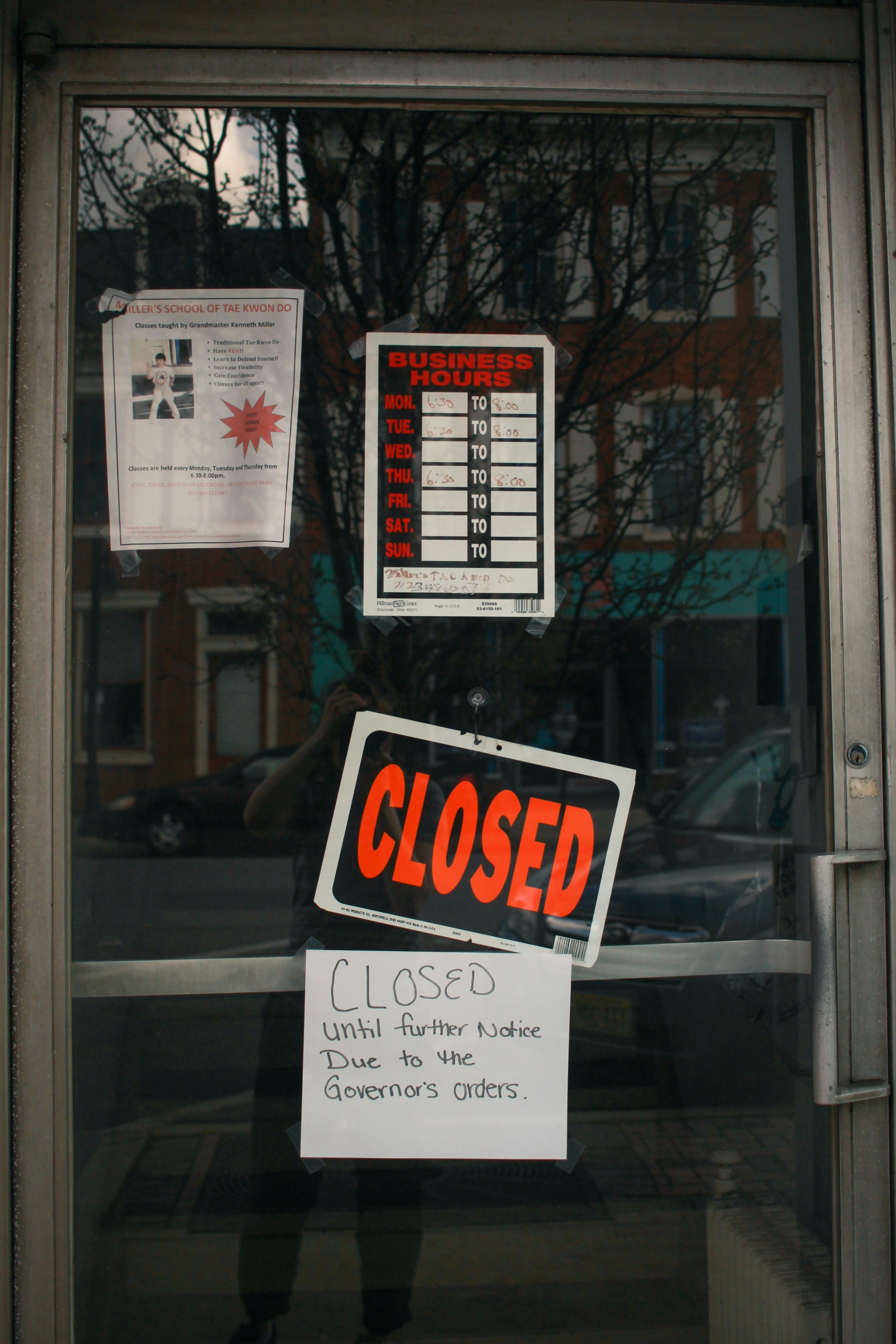
An Overview of the Government Shutdown
A government shutdown occurs when Congress fails to pass sufficient appropriation bills or a continuing resolution, resulting in a halt to non-essential government services. During a shutdown, federal agencies may temporarily close or limit their operations, affecting a vast number of employees and services. The current government shutdown, which has now reached its 28th day, exemplifies the complexities and challenges involved in federal budgeting and legislative negotiations.
The roots of the ongoing crisis can be traced back to a prolonged stalemate between political parties over federal funding priorities. Key issues include disagreements over budget allocations for various sectors, immigration policy, and health care funding. This particular shutdown highlights the deep political divisions that exist and the difficulty lawmakers face in reaching bipartisan agreements. Previous attempts at legislation aimed at resolving these issues have faltered, leading to a lack of consensus necessary to advance budget proposals.
Key events leading up to the current impasse included several proposed bills, many of which were either rejected or filibustered in the Senate. Moreover, negotiations have often been characterized by allegations of partisanship and unwillingness to compromise. As both chambers of Congress grapple with the competing demands of their constituencies, the political tensions have escalated, further complicating the pathway to resolution. The consequences of this deadlock are tangible, affecting millions of federal employees who face furloughs and disrupting essential government services such as national parks and federal assistance programs.
Understanding the dynamics of this government shutdown is essential for grasping its implications on various sectors and the overall economy. As the deadlock continues, the ripple effects of extended disruptions call into question the viability of government operations and the functioning of public services critical to citizens nationwide.
Impact on the Economy and Daily Life
The recent government shutdown has far-reaching implications for both the American economy and the daily lives of its citizens. Estimated to cause an economic damage of approximately $7 billion per month, the repercussions can be seen across various sectors. This significant financial loss manifests not only through reduced government spending but also through a decline in consumer confidence and increased uncertainty in market conditions.
One of the most immediate consequences of a government shutdown is the furlough of federal employees. When thousands of government workers find themselves without pay, it inevitably impacts local economies. Employees who are unable to earn their salaries reduce their spending on goods and services, leading to decreased revenue for local businesses. This situation creates a cascading effect; businesses may cut back on their workforce or reduce hours, resulting in further economic contraction.
In addition to the negative impacts on employment, the shutdown disrupts essential government services that citizens often rely on. Delays in federal services, such as the processing of permits, loans, and other critical support systems, introduce significant inconveniences for individuals and organizations alike. For instance, entrepreneurs seeking small business loans may face prolonged processing times, which could hinder the growth of local startups and the overall economy. Furthermore, services such as public assistance programs may be stalled, causing hardships for those dependent on government support during challenging times.
As the shutdown lingers, households may find themselves in precarious situations due to delayed tax refunds or halted public assistance payments. These disruptions not only create immediate financial stress but also lead to a broader deterioration of trust in governmental efficacy. The cumulative effect of these economic and daily-life impacts further emphasizes the pressing need for effective governance and timely resolutions to avoid similar crises in the future.
Political Implications and Legislative Efforts
The ongoing government shutdown has significant political ramifications, influencing not only the legislative landscape but also the dynamics within the Senate, the House of Representatives, and the presidency. The implications are widespread, affecting public services, government employees, and the broader economy. As the shutdown persists, both parties in Congress face mounting pressure to find common ground, yet partisan divisions complicate efforts to reach consensus.
Recent developments in legislative efforts, including the failure of a key spending bill, exemplify the contentious atmosphere within Congress. The House, led by its majority party, attempted to push through a budget proposal that ultimately did not secure sufficient support due to opposition from both moderate and far-right factions. Simultaneously, the Senate has remained somewhat at bay, with attempts to introduce bipartisan solutions encountering roadblocks. This cycle perpetuates the shutdown, causing frustration among constituents who depend on government services.
As the situation unfolds, the role of public sentiment has become increasingly important. Citizens, affected by the shutdown, are vocalizing their discontent, which may influence legislative priorities. Polls indicate that a majority of the public blames Congress for the impasse, emphasizing the urgency for elected officials to address the issue. This sentiment could sway politicians’ strategies as they seek to balance their party’s goals with the need to respond to constituents.
To pave a path forward, lawmakers will need to engage in constructive dialogue, prioritizing collaboration over partisanship. Potential steps may include revisiting the negotiation tables, considering compromise proposals, and assessing budgetary allowances that address both parties’ concerns. Ultimately, an understanding of the political landscape and a commitment to bipartisan solutions are essential for resolving the ongoing crisis and preventing future shutdowns.
Expert Opinions and Future Outlook
The ongoing government shutdown in the United States has prompted significant analysis from a variety of experts, including economists and political analysts. Among the foremost concerns is the long-term impact of this situation on federal operations and public trust in government institutions. Many experts assert that repeated shutdowns, such as the current one, erode citizens’ confidence in their government’s capacity to function effectively. This erosion can lead to increased skepticism regarding government initiatives and policies.
Economists have also expressed concerns regarding economic ramifications. A protracted shutdown can disrupt essential services and lead to job losses, particularly in sectors dependent on government contracts or funding. Moreover, experts warn that the uncertainty caused by such political impasses can deter investment, creating a ripple effect through the economy. For smaller businesses relying on government contracts, the implications may be especially severe, and the resultant hesitation might stall growth at a crucial time.
Looking to the future, political analysts believe that negotiations may remain contentious, increasing the likelihood of future shutdowns. The current political climate has highlighted deep divisions that may hinder bipartisan cooperation, making resolution challenging. Stakeholders in various sectors are calling for reforms to the appropriations process to reduce the frequency of these disruptions. Recommendations include establishing binding budgets or alternative funding mechanisms that can help mitigate the impact of political stalemates.
Overall, while the immediate future may hold further uncertainty regarding the government’s operational stability, experts are optimistic that constructive dialogue could eventually lead to a resolution. Nonetheless, the trust deficit and potential economic disruptions are significant issues that may linger long after a resolution is reached, suggesting that the ramifications of this shutdown could extend well beyond its official end.