
Introduction to US-Korea Relations
The relationship between the United States and Korea has developed significantly over decades, deeply influenced by historical, political, and social factors. Post-World War II, the Korean Peninsula was divided into North and South Korea, leading to a prolonged conflict marked by the Korean War from 1950 to 1953. This military engagement cemented the U.S. as a key ally of South Korea, resulting in a formal defense agreement that remains a cornerstone of their bilateral relationship. Since then, the U.S. has played a crucial role in deterring North Korean aggression, particularly in light of its persistent nuclear ambitions.
Throughout the years, military alliances have been vital in ensuring stability in the region. The U.S. maintains a significant military presence in South Korea, which is essential for both nations’ security interests. This alliance has also fostered extensive economic ties, with trade agreements enhancing their mutual interests. As North Korea pursued nuclear capabilities, the United States’ strategic focus on South Korea became increasingly pronounced, prompting defensive measures and cooperative initiatives aimed at regional deterrence.
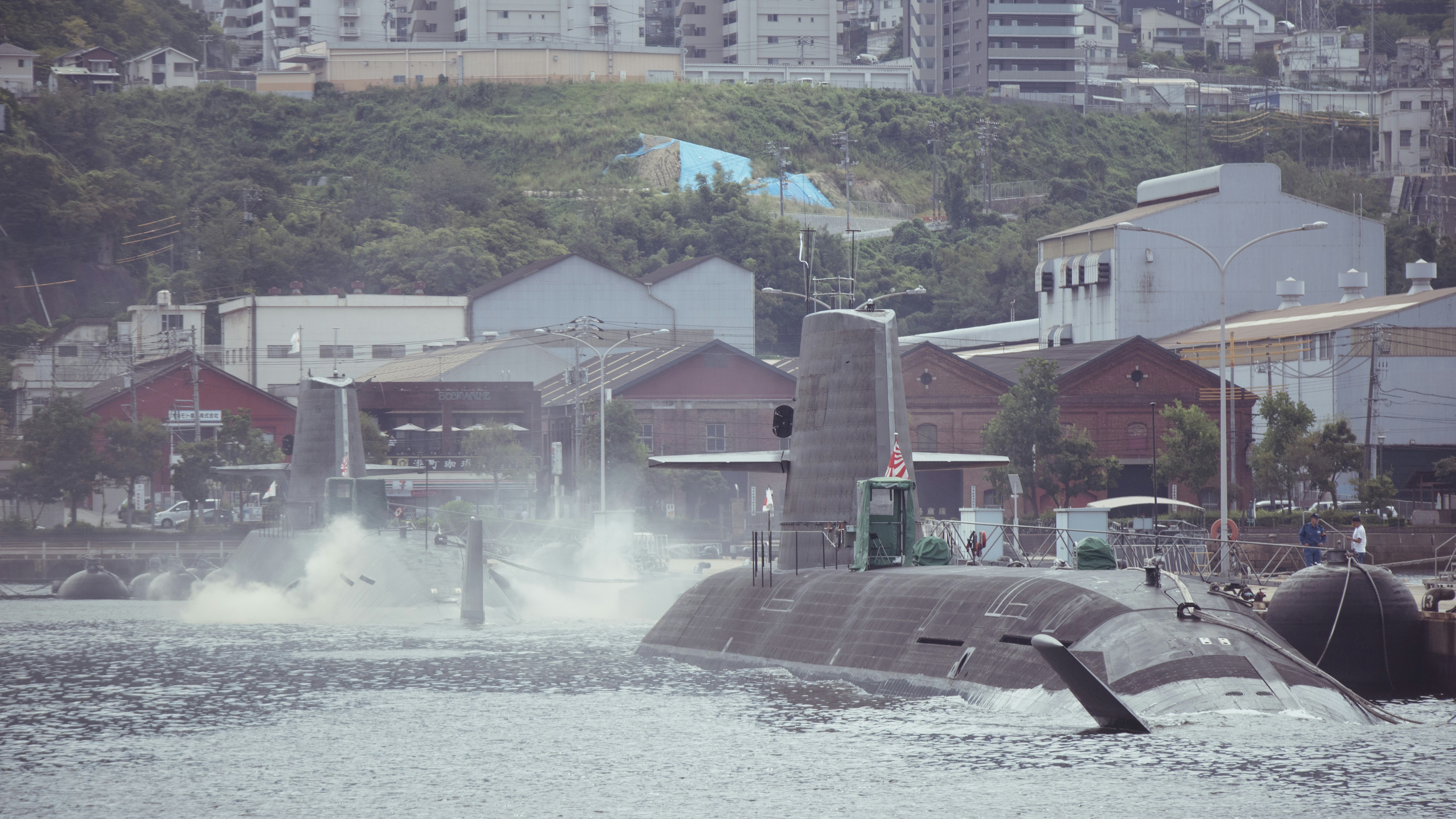
Recent developments have further shaped US-Korea relations. The visit of President Trump to South Korea underscored a commitment to strengthening diplomatic ties, showcasing the importance of collaboration in addressing security challenges posed by North Korea. Additionally, the discussion surrounding the deployment of nuclear-powered submarines highlights a vital aspect of their military partnership. These submarines not only serve as a deterrent to potential threats but also represent a modernization of defense strategies, reflecting the shifting dynamics in East Asian geopolitics.
Understanding the historical context of US-Korea relations reveals the complex interplay of military, political, and economic factors that influence their ongoing partnership. This relationship extends beyond mere defense pacts, encompassing a significant commitment to promoting stability and peace in a region characterized by volatility.
President Trump’s Visit to South Korea
President Trump’s visit to South Korea in November 2017 marked a significant moment in the evolving dynamics of US-Korea relations, particularly regarding military cooperation. The primary objective of the visit was to reinforce the United States’ commitment to the defense of South Korea amidst growing concerns over North Korea’s aggressive military posturing, particularly its nuclear and missile programs. During a series of meetings with South Korean leaders, including President Moon Jae-in, the discussions centered around bolstering military readiness and enhancing strategic partnerships, laying a foundation for future collaborative efforts.
One of the pivotal outcomes of the discussions was the agreement to upgrade South Korea’s submarine capabilities from diesel-powered vessels to nuclear-powered submarines. This shift was driven by a multifaceted rationale, primarily addressing security concerns surrounding regional instability. The current geopolitical landscape, especially with North Korea’s continued advancements in its nuclear arsenal, necessitated a reevaluation of military strategies. Nuclear submarines, with their advanced stealth, range, and sustained endurance, are viewed as a crucial asset in providing a robust deterrent against potential threats.
This transition also reflects a broader technological advancement in military capabilities, as the US and South Korea aimed to enhance interoperability between their forces. The introduction of nuclear-powered submarines is expected to allow for more effective surveillance, rapid response capabilities, and greater operational flexibility in contested waters, thereby strengthening South Korea’s defense posture. The discussions held during the visit did not only emphasize military hardware upgrades but also underscored the importance of collaborative planning and intelligence sharing between the two nations. Such strategic decisions signify a substantial alignment of military tactics designed to address modern threats in the Asia-Pacific region, heralding a new chapter in the alliance between the United States and South Korea.
The Decision to Allow Nuclear-Powered Submarines
The recent decision by the United States to permit South Korea to develop and operate nuclear-powered submarines marks a significant shift in the security dynamics of East Asia. This agreement is pivotal for South Korea, as it aims to bolster its naval capabilities significantly. Nuclear-powered submarines provide advanced stealth, extended operational ranges, and enhanced deterrence capabilities, allowing South Korea to address various threats, particularly from North Korea.
The inclusion of nuclear-powered submarines into South Korea’s naval arsenal can fundamentally alter the balance of power in the region. With North Korea’s continued military provocations and its advancing nuclear program, South Korea’s ability to conduct deterrent operations is essential. These submarines will enable South Korea to respond promptly and effectively, reinforcing its commitment to national defense while also reassuring its allies, particularly the United States, of its readiness to confront challenges posed by the North.
Moreover, this agreement has strategic implications for the United States and its broader objectives in the Asia-Pacific region. By empowering South Korea with nuclear capabilities, the U.S. aims to strengthen its alliances, thereby promoting regional stability and discouraging adversarial actions from North Korea or other potential aggressors. However, this development is expected to elicit reactions from neighboring countries, especially China, which may view the enhancement of South Korea’s military capabilities as a threat to its own influence in the region.
China’s potential military and diplomatic responses could complicate the security landscape further. The enhancement of South Korea’s naval capabilities, underscored by the acquisition of nuclear-powered submarines, could provoke an arms race in the region, compelling China to bolster its military posture. Thus, while the decision to allow South Korea to develop these submarines offers numerous advantages, it also necessitates careful consideration of its repercussions across the Asia-Pacific strategic environment.
Conclusion and Future Outlook
The recent agreement to enhance military collaboration between the United States and South Korea, particularly through the deployment of nuclear-powered submarines, marks a pivotal moment in US-Korea relations. This partnership is not only vital for reinforcing regional security dynamics but also for establishing a proactive deterrence strategy against potential threats, particularly from North Korea. The introduction of advanced military capabilities indicates a shift towards a more robust posture in dealing with regional aggressors and showcases the unwavering commitment of the US to its allies in East Asia.
Looking ahead, the evolving military collaboration is anticipated to foster increased joint exercises and shared intelligence operations, thereby enhancing interoperability between the two nations’ armed forces. However, challenges persist in forging a seamless strategic partnership. The delicate balance of power in the region necessitates careful diplomacy to avoid exacerbating tensions, particularly with China, which perceives these developments as a threat to its influence on the Korean Peninsula.
The implications of this military agreement extend beyond mere containment strategies; it invites scrutiny regarding North Korea’s potential responses. Historically, North Korea has reacted aggressively to perceived military escalations, and this agreement may provoke further missile tests or aggressive rhetoric from Pyongyang. Such developments could heighten insecurity across East Asia, drawing in neighboring nations into a complex web of alliances and grievances.
As the landscape of international relations in East Asia continues to evolve, US-Korea relations will likely serve as a focal point for addressing regional security concerns. Cooperation in nuclear policy, while crucial, must be guided by a mutual understanding of the geopolitical climate. Strengthened ties between the US and South Korea appear optimistic, yet vigilance is required to navigate the multifaceted challenges ahead while ensuring lasting peace and stability in the region.
You might also like:
- Most efficient The Poets – The Myth Within the encourage of ‘And I’d Attain It Again’
- Name center worker thrown below the bus over a manager’s verbal instructions, nonetheless they demonstrate a 14-electronic mail paper path to safeguard themselves: ‘I kept my job; Derek became moved’
- Former White Farmers in Zimbabwe Seek US Assistance for Unpaid Compensation
- World Bond Selloff Worsens as Rising Oil Costs Spook Investors – Bloomberg.com
- Atletico Madrid Claims Victory Over Real Betis: A 2-0 Showcase
