
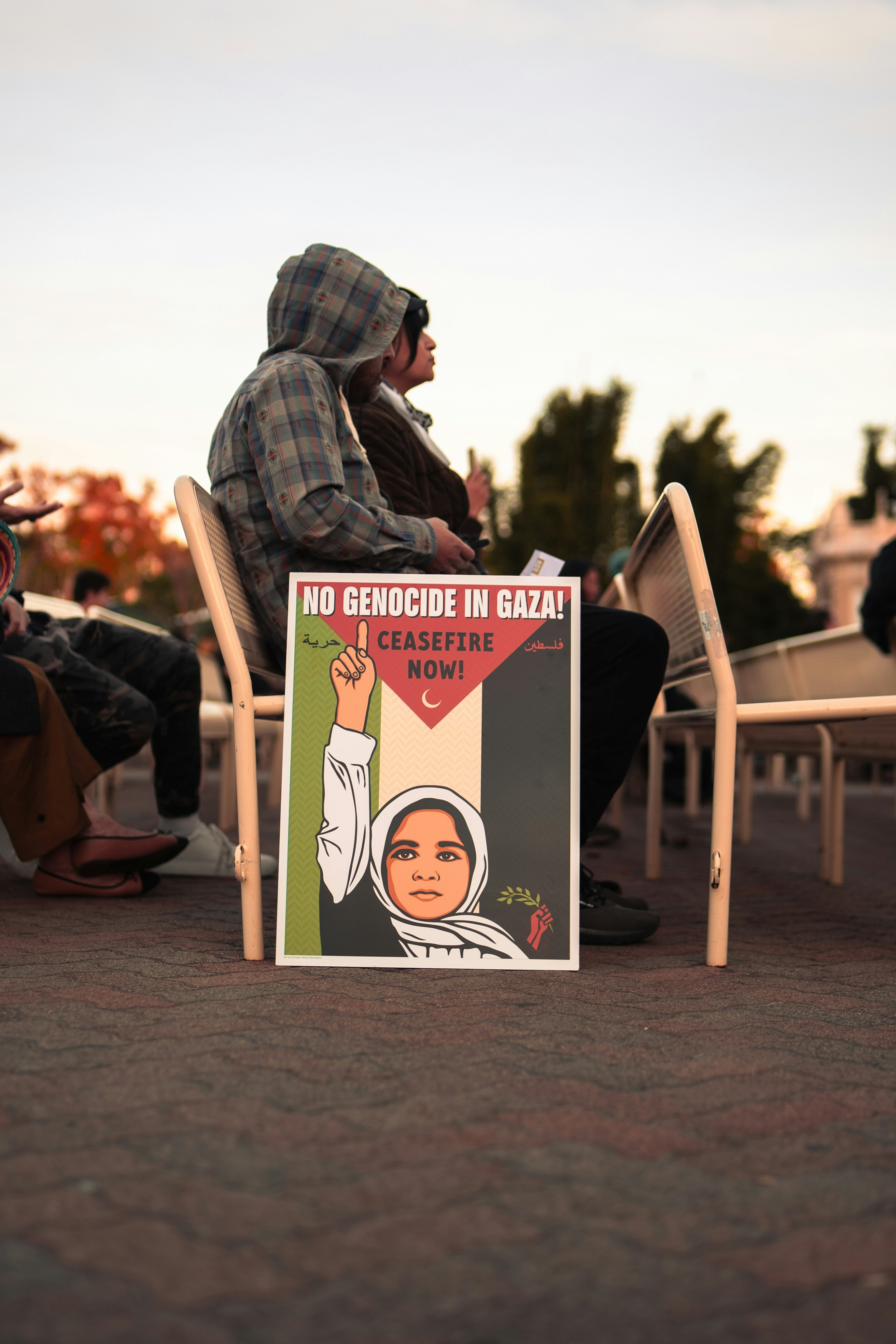
Understanding the Gaza Conflict
The Gaza conflict has deep historical roots that can be traced back to the early 20th century, marking a complex interplay of political, territorial, and religious factors. The conflict primarily involves two key players: Israel and Hamas. Israel, established in 1948, views its existence as a necessary refuge for the Jewish people post-World War II, while Hamas, founded in 1987, operates as a Palestinian militant group that seeks to establish an Islamic state in the territory of historic Palestine, which includes the region of Israel. This dichotomy embodies the broader struggle over land and national identity.
The pivotal moments leading up to the current situation include several significant wars and uprisings, notably the Six-Day War in 1967, which resulted in Israeli control over Gaza, and the Oslo Accords in the 1990s, a landmark effort to establish peace and recognition between Israel and the Palestine Liberation Organization (PLO). However, these agreements fell short of a lasting resolution, with both sides continuing to face deep-seated mistrust. The rise of Hamas in the Palestinian territories further complicated peace efforts, particularly after it won the legislative elections in 2006, leading to a violent split between Hamas and the PLO.
The impact of the Gaza conflict on civilians has been devastating. Recurrent military confrontations have led to significant loss of life, extensive injuries, and widespread destruction of infrastructure in Gaza, exacerbating an already dire humanitarian situation. Previous attempts to establish ceasefires have often crumbled under the weight of ongoing hostilities and political disagreements. International mediators have struggled to create a sustainable solution, with many proposals yielding only temporary relief rather than a comprehensive resolution. Understanding this historical context is essential to appreciate the complexity of the conflict and the challenges faced by world leaders, including President Trump, as they navigate the intricacies of this ongoing crisis.
Recent Developments: Air Strikes in Gaza
The situation in Gaza has significantly escalated over the past few weeks, resulting in a series of air strikes carried out by Israel. This latest wave of aggression has resulted in widespread devastation, with numerous casualties reported. Local health officials estimate that hundreds of individuals have been killed, including a significant number of civilians, further exacerbating an already dire humanitarian crisis. The infrastructure in Gaza has suffered deeply, with critical facilities such as hospitals, schools, and water lines affected, leaving many residents without access to essential services.
The air strikes, prompted by ongoing tensions and violence, have led to retaliatory actions and heightened military readiness in the region. Reports indicate that the strikes were aimed at specific targets deemed to be associated with militant factions, yet the extensive collateral damage has drawn widespread condemnation from both local residents and international observers. The humanitarian impact of these strikes was immediately felt as emergency services struggled to respond amid ongoing bombardment.
International communities have reacted with alarm, calling for an immediate ceasefire and urging both parties to return to negotiations. Diplomatic efforts are underway, but the situation remains precarious. Various countries, including those in the Middle East and beyond, have voiced their concerns about the escalating violence and its implications for regional stability. The strikes have deepened existing fissures and raised fears of a larger conflict that could involve neighboring countries.
In a broader context, these developments underline the volatility of the region. The ongoing cycle of retaliatory violence poses significant challenges not only to peace efforts but also to the stability of the broader Middle Eastern landscape. As the situation evolves, the implications of these air strikes could reverberate far beyond Gaza, influencing geopolitical dynamics and security considerations for years to come.
President Trump’s Ceasefire Reassurances
In recent statements, President Trump underscored the urgent need for a ceasefire in Gaza, emphasizing the importance of de-escalation amidst the ongoing conflict. His remarks, delivered during a press briefing, aimed to highlight his administration’s commitment to promoting peace in the region. President Trump articulated that a ceasefire would not only save lives but also create a conducive environment for dialogue among the conflicting parties.
The timing of Trump’s comments is notable, as they coincide with a surge in hostilities. His administration’s proactive stance contrasts sharply with past U.S. foreign policy, which has often been characterized by a more hands-off approach in the Middle East. In prioritizing a ceasefire, Trump’s response reflects an intention to assert American influence in negotiations, potentially reshaping the diplomatic landscape. Moreover, his administration’s public insistence on cessation of violence signals a departure from earlier tactics which focused primarily on military support and strategic partnerships.
The president’s remarks have elicited mixed reactions from world leaders and international organizations. While some applaud the call for a ceasefire, viewing it as a necessary step toward peace, others question the sincerity and feasibility of such interventions, given the complex socio-political dynamics in the region. The United Nations and various humanitarian organizations have echoed Trump’s sentiments, advocating for urgent measures to facilitate humanitarian access to those affected by the strikes.
As the situation continues to evolve, the impact of Trump’s call for a ceasefire remains to be seen. Whether his administration can effectively mediate and influence the cessation of hostilities will be crucial for assessing the future of U.S. relations in the Middle East and ensuring lasting peace in Gaza.
Looking Ahead: The Future of Gaza and Peace Efforts
The situation in Gaza remains complex, with numerous factors contributing to its future. A critical aspect is the role of international diplomacy, which has frequently sought to mitigate tensions and promote peace. Various countries and organizations, including the United Nations, the European Union, and regional powers, are poised to serve as mediators in the quest for a long-term solution. Their involvement is essential in navigating the intricate web of interests and grievances that have fueled the ongoing conflict.
Potential mediators must consider the diverse political landscape within Gaza and the broader region. The divisions between factions, such as Hamas and Fatah, complicate unified diplomatic efforts. Moreover, external players have their own motives, which may influence their commitment to peace initiatives. A balanced approach that prioritizes the needs of the Gazan population while fostering dialogue among rival political factions is necessary for effective mediation.
Amidst these geopolitical dynamics, the humanitarian needs of the population in Gaza remain urgent. With each outbreak of conflict, the humanitarian situation deteriorates, leaving many without access to essential services, healthcare, and adequate living conditions. Addressing these needs is critical to establishing a stable environment conducive to peace talks. A sustained ceasefire could offer a crucial respite, enabling humanitarian aid to reach those in desperate need and allowing for much-needed reconstruction efforts. Without this framework, the cycle of violence is likely to continue, perpetuating the suffering of the Gazan people.
Ultimately, achieving peace in the Gaza Strip will require not only sustained international commitment but also a genuine willingness from local actors to engage in meaningful dialogue. As the international community looks toward the future, fostering a climate of cooperation and understanding will be pivotal in overcoming the myriad challenges that lie ahead.