
Introduction to Nuclear Testing and Recent Developments
Nuclear testing has historically been a significant aspect of national defense policy for many countries, with the United States being a prominent player in this arena. Recently, an announcement from President Donald Trump indicated a revival of nuclear weapons testing, a decision that has stirred considerable discussion and debate across political and social spheres. This renewed focus on nuclear testing emphasizes the administration’s stance on national security and the perceived necessity to enhance the United States’ arsenal in a rapidly changing global environment.
Motivations behind this decision stem from claims that the current geopolitical landscape has necessitated an urgent reevaluation of the country’s nuclear capabilities. The Pentagon has been vocal in articulating that enhanced nuclear weapons testing is essential to ensure that the arsenal remains viable and effective against potential threats, particularly from rival nations that have been advancing their own nuclear programs. This stance reflects a broader belief among some policymakers that the U.S. must demonstrate military readiness and technological superiority to deter adversaries.
The political landscape in the U.S. has responded with a mix of support and criticism regarding this initiative. Proponents argue that such actions are required to maintain a robust defense and to assess hypotheses surrounding aging stockpile dynamics. Conversely, critics express concerns regarding the potential escalation of arms control challenges, environmental impacts, and the possible reversal of significant non-proliferation gains achieved over the past few decades. The response extends beyond U.S. borders, with international observers closely monitoring the implications of nuclear testing resumption on global stability and arms control treaties.
As the discourse surrounding this announcement continues to unfold, it prompts critical questions about the future of nuclear policy, both domestically and internationally.
Response from Russia and the International Community
The United States’ decision to resume nuclear testing has elicited a pronounced reaction from Russia and the international community. Russian officials have expressed strong opposition to this move, viewing it as a destabilizing action that undermines existing nuclear arms control agreements. The Kremlin’s spokesperson emphasized that such actions could lead to a renewed arms race, which Russia is prepared to counter. President Vladimir Putin has also indicated that if the U.S. continues its path, Russia may be compelled to reconsider and potentially resume its own nuclear testing program, a decision that would undoubtedly escalate tensions on a global scale.
In addition to the possibility of resuming nuclear tests, Russian officials have directed warnings toward European nations. They have cautioned EU leaders against making provocative statements regarding military actions against Russia, underlining the potential for these comments to exacerbate existing tensions. These warnings highlight the precarious nature of international relations in the context of nuclear capabilities. The Russian response emphasizes a broader concern that the U.S. action could lead to a fragmentation of dialogue between nuclear powers, making it more difficult to achieve stability and mutual understanding.
As this situation unfolds, it is likely to provoke reactions from other countries. Nations that have historically advocated for nuclear non-proliferation are likely to increase diplomatic pressure on both the U.S. and Russia to return to the negotiating table. Countries in Europe and Asia, especially those situated near the geopolitical tensions, may reassess their security policies in light of these developments. Overall, the resumption of nuclear testing by the U.S. could have significant implications for global security dynamics, potentially leading to increased military preparations among nations wary of an escalated arms race.
Domestic Political Ramifications of Nuclear Testing
The recent decision by the United States to resume nuclear testing has sparked significant debate within the political landscape, revealing a deep divide among various factions. This resumption has garnered differing perspectives, particularly when measured against the backdrop of the United States’ long-standing policies on nuclear arms control and disarmament. Supporters of nuclear testing, including some members of the current administration, argue that such measures are crucial to ensure national security. They assert that the capability to test new nuclear designs may deter adversaries and maintain the integrity of the U.S. nuclear arsenal.
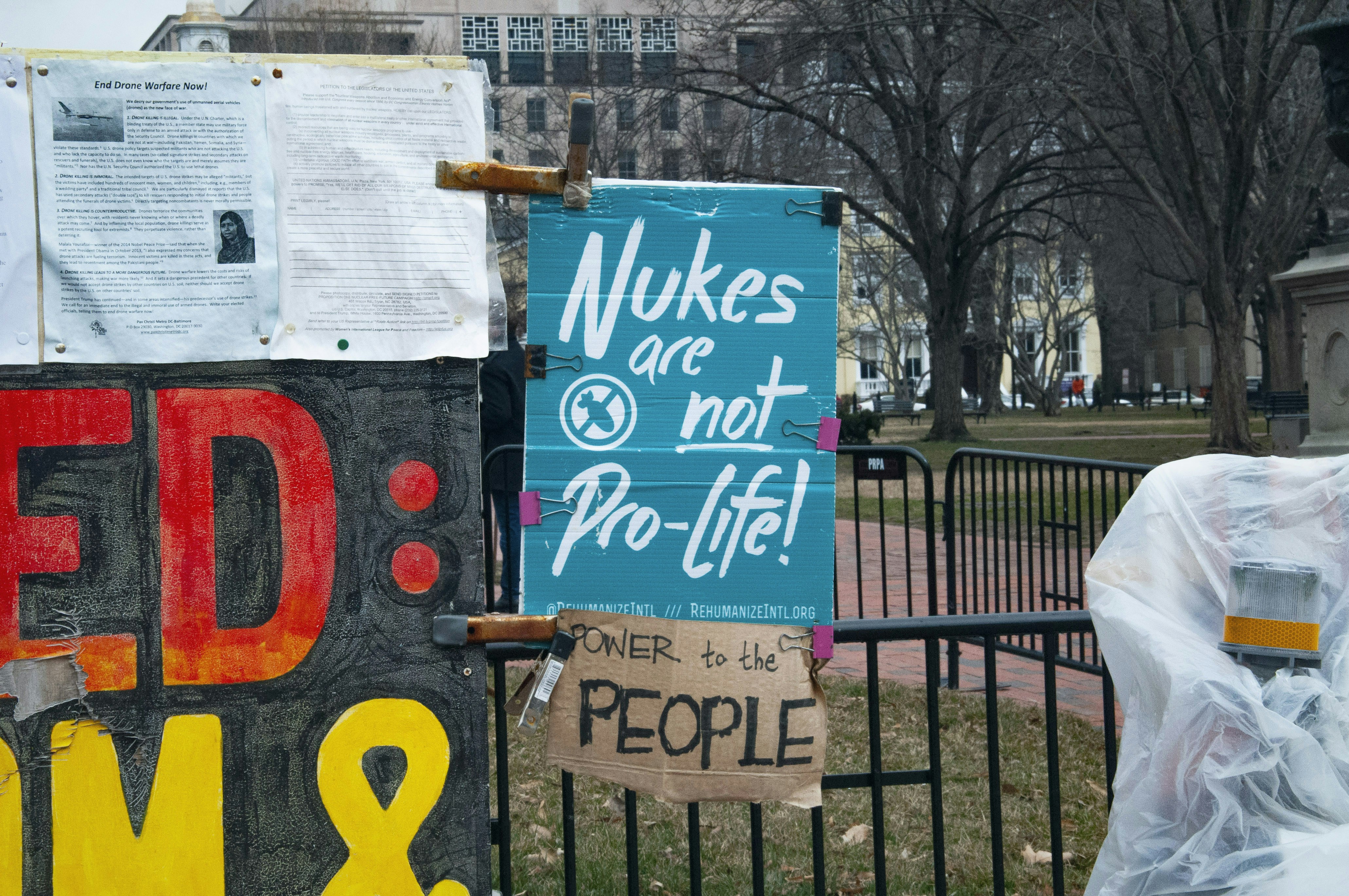
In contrast, opponents of this policy point to the historical significance of the Comprehensive Nuclear-Test-Ban Treaty (CTBT), which aims to eliminate nuclear testing globally. Critics, including several prominent Democrats and peace advocacy groups, argue that resuming tests contradicts decades of diplomatic efforts to promote nuclear disarmament. They voice concerns that this may spur an arms race, particularly as other nations observe U.S. actions and may feel compelled to enhance their own nuclear capabilities in response.
The Vice President’s remarks defending the necessity of nuclear tests for national security initiatives have intensified this debate. Some political leaders argue that prioritizing defense funding and ensuring U.S. readiness require such measures. However, even within the ruling party, there are voices advocating for a review of current strategies, emphasizing the importance of diplomatic engagement over escalated military posturing. This division highlights the challenges policymakers face as they navigate the implications of nuclear testing on global security dynamics.
As the political dialogue evolves, the consequences of this decision are likely to stimulate broader discussions about the future direction of U.S. defense policy and international agreements regarding nuclear weapons, further complicating an already contentious political climate.
Cancelled Trump-Putin Summit and its Consequences
The cancellation of the highly anticipated summit between President Donald Trump and President Vladimir Putin marked a significant turning point in U.S.-Russia relations. Initially set to address various pressing issues, including nuclear arms control, the summit was called off following a pivotal phone call between the foreign ministers of the two nations. This decision underscored the complexities and uncertainties that characterize contemporary diplomacy and raised questions regarding the future of bilateral negotiations.
The backdrop of this cancellation is rooted in escalating tensions related to nuclear armament. The U.S. had recently resumed its nuclear testing activities, an action that has not only affected its relationship with Russia but has also raised concerns among international allies. Russia perceives these maneuvers as a direct threat, likely motivated by a desire to assert dominance in the global strategic landscape. Consequently, the cancellation of the summit serves as a potent symbol of the fraught and precarious state of U.S.-Russia relations, particularly concerning arms control discussions.
Moreover, the implications of the cancelled summit extend beyond merely the U.S. and Russia. Global diplomatic efforts surrounding nuclear disarmament and strategic stability are impacted, as both nations hold immense sway over international agreements. With the absence of dialogue, the risks of miscommunication and miscalculation increase, further destabilizing a delicate strategic balance. Fostering cooperation on nuclear arms is essential not only for bilateral interactions but also for broader international security frameworks.
Ultimately, the cancellation of the Trump-Putin summit highlights the precarious nature of diplomatic engagement in a nuclear context. It underscores the fragility of U.S.-Russia relations, posing significant challenges for future negotiations on arms control, and raises the stakes for international diplomacy aimed at ensuring global stability.