
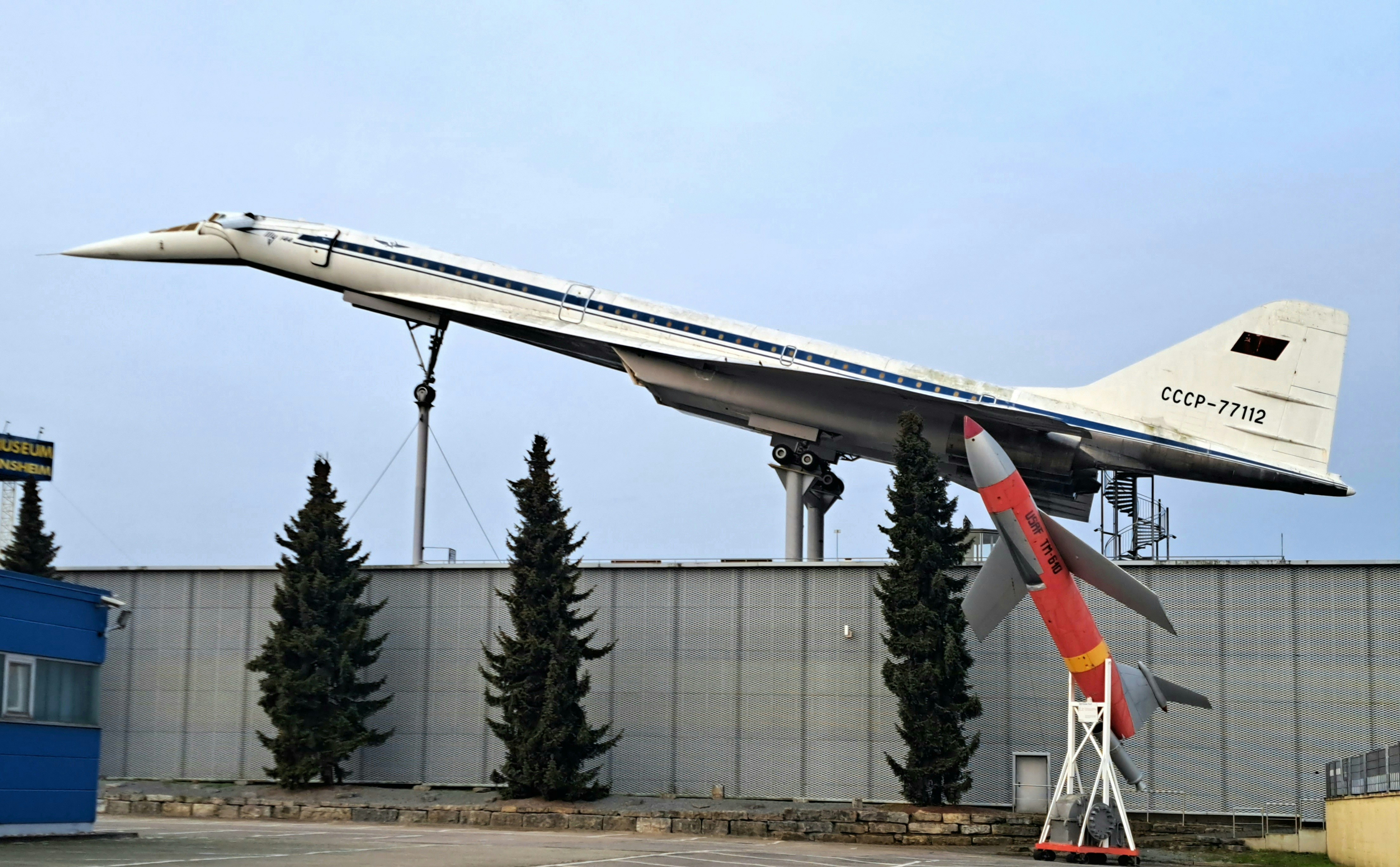
Understanding Supersonic Travel
Supersonic travel refers to the flight of aircraft that exceed the speed of sound, which is approximately 343 meters per second (1,125 feet per second) at sea level. This phenomenon is made possible due to the principles of aerodynamics and the physics of sound. When an aircraft surpasses this critical speed, it generates shock waves that culminate in what is known as a sonic boom. These shock waves manifest as a loud, thunder-like noise created when an aircraft compresses air in front of it, disrupting the sound waves and creating a pressure increase that propagates onward.
Historically, supersonic travel reached its zenith with the introduction of the Concorde in the 1970s, which was capable of cruising speeds of over twice the speed of sound (Mach 2). While the Concorde represented a significant achievement in aviation, the sonic boom it produced became a major public concern. The disturbance caused by sonic booms led to complaints from communities situated beneath the flight paths, resulting in strict regulations that limited supersonic travel over land. This backlash created a substantial hurdle for the commercial viability of future supersonic airliners.
As interest in faster air travel has grown, particularly for long-distance routes, the challenge has been to develop aircraft that can break the sound barrier without causing unacceptable noise levels on the ground. Innovations in design, such as NASA’s X-59 QueSST, aim to address this issue by reducing the intensity of sonic booms to more of a “thump.” This endeavor highlights a critical aspect of modern aviation: the need to balance speed and efficiency with environmental considerations and public acceptance. As we look towards the future, understanding the principles and challenges of supersonic travel will be essential to shaping the next generation of commercial aviation.
Introducing NASA’s X-59 QueSST
The X-59 QueSST (Quiet Supersonic Technology) is a groundbreaking aircraft developed by NASA with the aim of transforming the future of supersonic travel. This state-of-the-art vehicle is designed to cruise at speeds of Mach 1.4, allowing it to cover vast distances rapidly while addressing one of the main challenges of supersonic flight—sonic booms. Traditional supersonic jets create disruptive sonic booms upon breaking the sound barrier, which has historically restricted their usage over land. The X-59 targets this challenge by introducing innovative engineering that minimizes noise pollution, thus opening new possibilities for commercial and military aviation.
The X-59’s design features an elongated fuselage and sleek, gently sloping nose configuration, which are pivotal in altering shockwave formation. This aerodynamic shape is critical in pushing the boundaries of supersonic travel while entirely modifying the adverse effects of sonic booms into quieter “sonic thumps.” The aircraft’s wings are also crafted with a unique span and profile that play a significant role in reducing drag, enhancing fuel efficiency, and ensuring smoother flight characteristics at high speeds.
Equipped with cutting-edge technologies, the X-59 incorporates advanced materials and structural designs to withstand the extreme conditions experienced at supersonic speeds. The integration of sophisticated sensors will allow the aircraft to gather data on its performance, further contributing to the aerospace community’s understanding of aerodynamics at these remarkable speeds. Ultimately, the X-59 QueSST represents a pivotal leap in aerospace engineering, focusing not only on speed but also on environmental considerations, aligning with growing global demands for sustainable travel solutions.
Technological Innovations Behind the X-59
The X-59 QueSST (Quiet Supersonic Technology) represents a significant advancement in aerospace engineering, particularly in its design tailored for reducing the disruptive sonic booms that have restricted supersonic flight over populated areas. Central to this ambitious project are several innovations, particularly the aircraft’s uniquely designed wings and control surfaces. These elements have been meticulously crafted to optimize aerodynamic efficiency while minimizing the intensity of pressure waves generated during supersonic travel.
One of the most notable features of the X-59 is its long, slender fuselage, complemented by specialized wings that taper elegantly to a point. This design facilitates a smoother flow of air, effectively shaping the sonic boom produced by the aircraft. Unlike conventional designs that generate a pronounced sonic boom, the X-59 aims to produce a quieter “thump,” thereby alleviating some of the public’s concerns regarding supersonic flight.
Furthermore, the X-59 employs advanced computational tools throughout its development, utilizing sophisticated modeling and simulation techniques to predict aerodynamic behavior accurately. Engineers have conducted extensive wind tunnel tests, which have provided invaluable data to refine the design further. These tests help ensure that the aircraft meets its noise reduction goals while maintaining safety and performance standards essential for commercial aviation.
Additionally, the potential implications of the X-59’s noise-reduction technologies go beyond mere supersonic flight. The innovations developed for this aircraft could pave the way for substantial improvements in noise pollution management for conventional aircraft, enhancing the overall flying experience by reducing the auditory impact of air travel. As the X-59 continues to undergo testing and validation, it stands as a beacon of technological potential, promising a quieter future for air travel. In conclusion, the X-59 is a critical step towards achieving sustainable and efficient flight, marking a transformative moment in aviation history.
The Future of Commercial Aviation with QueSST Technology
The advent of the X-59 QueSST marks a significant milestone in the evolution of commercial aviation, particularly in the context of supersonic travel. One of the most anticipated benefits of QueSST technology is the potential for dramatically reduced travel times. By enabling aircraft to fly faster than the speed of sound without producing the disruptive sonic boom associated with traditional supersonic flights, the X-59 promises to shorten lengthy transcontinental and international journeys. This advancement not only enhances passenger convenience but also has the potential to transform global business operations by making distant markets more accessible.
From an economic perspective, the incorporation of QueSST technology into commercial aviation could yield various advantages. Faster travel translates into increased operational efficiency, opening doors for airlines to enhance their service offerings and routing strategies. By reducing flight durations, airlines can operate more flights throughout the day, potentially increasing revenue while providing customers with greater flexibility. Furthermore, the allure of quicker, quieter flights is expected to attract a varied demographic of travelers, ranging from business professionals to leisure seekers, thus broadening the market for airlines.
However, the implementation of QueSST technology does not come without challenges. Regulatory hurdles pose a significant barrier, as authorities will need to establish new guidelines governing supersonic flight over land to mitigate noise pollution concerns. Public perception also plays a crucial role in the future of supersonic travel. While many individuals may embrace the benefits of faster travel, some may remain skeptical of the environmental impact and safety measures of new aircraft technology. Addressing these concerns through transparency and community engagement will be vital to garnering broader public acceptance.
In conclusion, the X-59 QueSST heralds a transformative era for the aviation industry. As challenges are navigated and advancements in technology prevail, it is conceivable that we will witness a resurgence of commercial aviation that boasts both speed and silence. The next few decades hold the promise of redefining how we travel, making supersonic flight a commonplace experience while enhancing connectivity across the globe.
You might also like:
- San Diego Weather Forecast for December 10, 2025: A Sunny Day Awaits
- How Optimistic Sentiment on Government’s Early Opening is Fuelling the Oil Market
- Incident in the East Sea: US Military Aircraft Crash
- Public Hearing on New York State’s Water Service Lead Line Replacement Program
- The Democratic Republic of Congo’s Stunning Victory Over Nigeria