
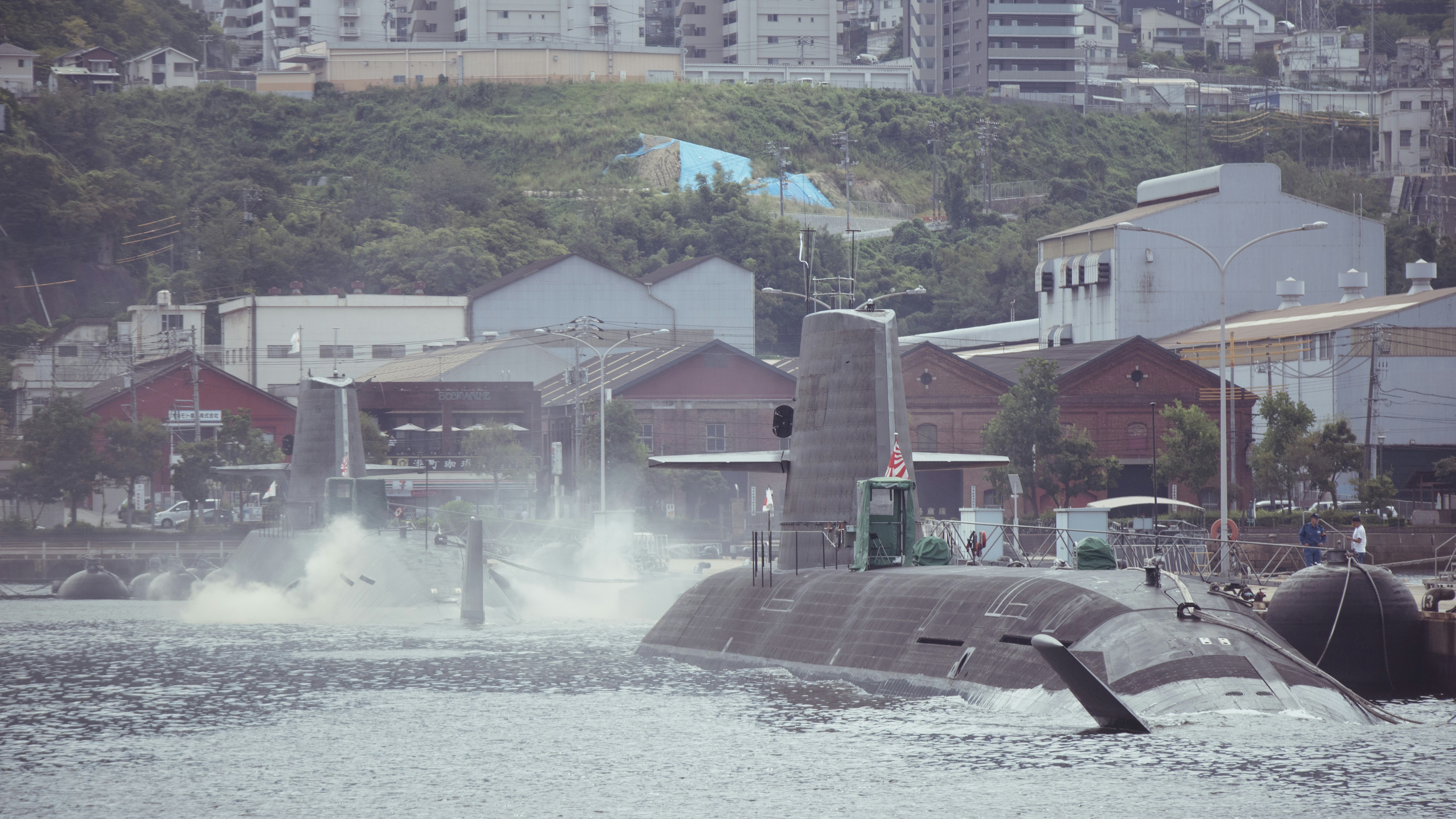
Introduction to Japan’s Defense Policy
Japan’s defense policy has undergone significant transformations since the end of World War II, largely shaped by its historical context and evolving regional dynamics. Following the war, Japan adopted a pacifist constitution, particularly Article 9, which renounced war and prohibited the maintenance of armed forces for combat purposes. This commitment to pacifism has defined Japan’s approach to its national security, leading to the establishment of the Self-Defense Forces (SDF) in 1954. The SDF was intended to ensure Japan’s defense against external threats while adhering to constitutional constraints.
The emergence of regional threats, notably from North Korea and China, has prompted crucial shifts in Japan’s defense strategy in recent decades. North Korea’s ongoing missile tests and nuclear ambitions have raised alarms within Japan and the broader international community, necessitating a reevaluation of defense capabilities. Simultaneously, China’s assertive military posture in the East China Sea and South China Sea has led to increased tensions and has redefined Japan’s security landscape. Consequently, Japan has sought to enhance its deterrence capabilities and engage in collective defense initiatives with allies like the United States.
In light of these challenges, discussions surrounding military modernization have gained traction. Recent government initiatives have considered the potential acquisition of advanced military assets, including nuclear submarines, as a means to bolster Japan’s defense posture. These submarines could enhance stealth, deterrence, and operational flexibility, thereby addressing the strategic vulnerabilities posed by regional threats. As Japan navigates its defense policy amidst changing geopolitical dynamics, the balance between upholding its pacifist principles and addressing emerging security challenges will remain a critical focus for policymakers.
Potential Acquisition of Nuclear Submarines
The consideration of nuclear submarine acquisition by Japan emerges from a complex interplay of strategic, technological, and geopolitical factors. Historically, Japan has maintained a pacifist stance enshrined in its constitution; however, the increasing threats in the Indo-Pacific region pose significant challenges to this policy. In this context, the enhancement of deterrence capabilities through the deployment of nuclear submarines becomes an essential consideration. These submarines are not merely platforms for attack; they serve as a critical deterrent against adversaries, projecting power and safeguarding national interests.
The technology required for developing and operating nuclear submarines is advanced and entails significant strategic considerations. Japan would need to invest in naval infrastructure, workforce training, and technological advancements to successfully incorporate these capabilities into its Self-Defense Forces. Notably, the nuclear submarine fleet would enhance underwater warfare proficiency and enable longer-range operations, boosting Japan’s defensive posture considerably. This shift aligns Japan closer to military modernization trends observed in regional powers, such as China and Russia, which have invested substantially in their respective naval capabilities.
In evaluating the regional implications of Japan’s potential acquisition of nuclear submarines, the ripple effects on security dynamics are notable. Neighboring nations may perceive this move as a provocation, leading to an arms race in the region. Consequently, Japan’s increasing militarization could shift the balance of power, challenging existing security arrangements and leading to heightened tensions. Public opinion within Japan also plays a critical role in this deliberation, as there is a diverse range of perspectives regarding nuclear armament. While some segments advocate for enhanced national security measures, others express concerns about the historical implications of nuclear weapons. Therefore, balancing these varying viewpoints is crucial as Japan navigates its strategic landscape.
The United States Investment Package and Strategic Alliance
Japan’s strategic alliance with the United States has evolved into a crucial partnership for both nations, particularly concerning defense investments and military cooperation. The significant investment package that Japan maintains with the U.S. underlines this alliance, fostering greater collaboration in security matters. This investment is rooted in Japan’s recognition of the shifting geopolitical landscape, particularly in the Indo-Pacific region, which has been characterized by rising tensions and challenges to regional stability.
One of the key elements of this investment package is its role in bolstering Japan’s defense capabilities, allowing for modernization and enhancement of its military assets. This partnership ensures that Japan remains equipped to respond to potential threats, reflecting a mutual commitment to regional security. The decision by Japan not to renegotiate the terms of this investment package underlines its dedication to the alliance with the United States. By maintaining these terms, Japan signals confidence in U.S. support, thereby reinforcing deterrence against aggressors in the region.
This strategic decision, rooted in an unwavering commitment to their long-standing alliance, carries broader implications for Japan’s security architecture. As tensions continue to rise in the Indo-Pacific, particularly concerning North Korea’s missile development and China’s assertive actions in regional waters, Japan’s investment in defense initiatives becomes ever more critical. Enhancing the strength and reliability of its military capabilities in collaboration with the U.S. enables Japan to play a more proactive role in ensuring regional security.
The ongoing cooperation between Japan and the United States represents not just a bilateral commitment, but also a fundamental aspect of the broader security framework in the Indo-Pacific. As both nations continue to navigate the complex security environment, their partnership will be pivotal in fostering stability and promoting a rules-based international order.
Future Outlook and Regional Implications
The consideration of nuclear submarines by Japan marks a significant point in the country’s defense strategy, indicating an inclination towards increased military capability and self-reliance. This strategic shift has far-reaching implications, particularly regarding regional security dynamics in East Asia. As Japan moves forward with its ambitions, the response from neighboring nations will be critical in shaping the future landscape of military alliances and security arrangements.
One of the primary concerns is how China will react to Japan’s nuclear submarine developments. Given the historical context and heightened tensions in the region, Beijing may perceive this as a direct challenge to its influence and military presence. This perception could prompt China to enhance its own naval capabilities, further escalating the arms race in the Asia-Pacific. Similarly, South Korea, which shares its own security concerns regarding North Korea, may also reconsider its military strategies and alliances in response to Japan’s advancements.
Within this complex scenario, the United States plays a pivotal role, especially considering its security commitments in the region. The U.S. may strengthen its military cooperation with Japan, potentially leading to deeper strategic ties among Quad nations – comprising the U.S., Japan, Australia, and India. Such developments could reshape regional alliances, aligning countries more closely against perceived threats, particularly from China.
Moreover, Japan’s aspiration for a nuclear submarine fleet could redefine its status in international security frameworks. The nation has traditionally adopted a pacifist stance since World War II; however, this strategic pivot may catalyze shifts in how international partners regard Japan. As nations increasingly prioritize collective defense and maritime security, Japan’s role in frameworks like ASEAN regional cooperation may be amplified. This strategic evolution necessitates careful navigation to maintain regional stability while fulfilling its defense aspirations.