
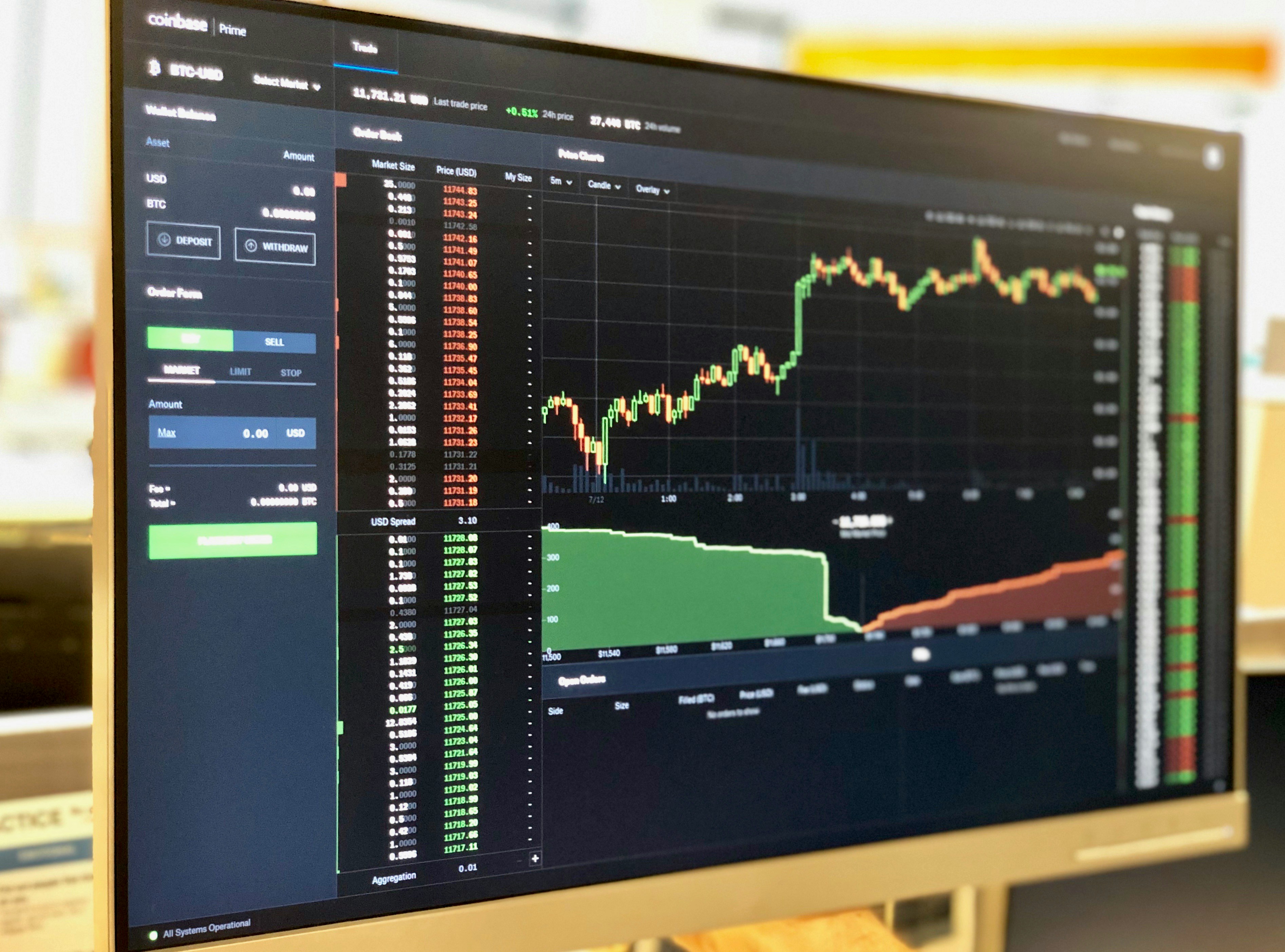
Overview of Bitcoin’s Current Price Movement
Bitcoin (BTC) has recently demonstrated notable price fluctuations, reflecting the inherent volatility characteristic of this cryptocurrency. As of the current assessment, Bitcoin’s price is hovering around $110,000 USD, a significant figure that highlights both the asset’s growth trajectory and its susceptibility to market dynamics. Recent data indicates a slight decrease in value, with reports suggesting a decline ranging between 0.26% to 0.79% over the last 24 hours. This downturn, while minimal, serves as a reminder of the constant state of flux that cryptocurrency markets often experience.
Understanding the factors contributing to Bitcoin’s price volatility is essential for both investors and observers alike. Market sentiment plays a pivotal role in driving the fluctuations seen in Bitcoin’s price. Positive news, such as the endorsement of Bitcoin by institutional investors or favorable regulations, can lead to sharp increases in price. Conversely, negative sentiments stemming from regulatory concerns, market corrections, or broader economic news can result in abrupt price drops. Each of these elements can influence investor behavior, causing reactions that further amplify Bitcoin’s volatile nature.
Recent events have underscored the impact of news on Bitcoin’s trading patterns. For instance, announcements regarding technological advancements, security breaches, or macroeconomic factors can trigger swift price changes. Investors’ expectations often react to these developments, thereby creating an environment where price movements appear sharp and unpredictable. The complexity of these interactions contributes to the ongoing apprehension surrounding Bitcoin investment—while the potential for high returns remains, the associated risks are equally significant.
Market Capitalization Trends
The cryptocurrency market has experienced significant fluctuations recently, with its global market capitalization hovering around $3.7 trillion USD. This represents a pivotal aspect of the overall health of the cryptocurrency ecosystem and is crucial for understanding investor sentiment. As of the latest observations, there has been a noticeable downward trend, with the market experiencing decreases ranging from 2.35% to 3.76% within the last 24 hours. These variations might initially appear minor, but they signal deeper dynamics at play within the market.
The decline in market capitalization can be indicative of broader investor confidence or sentiments, often influenced by various external factors such as regulatory news, macroeconomic developments, or significant events within the crypto community. When market capitalization declines, it may suggest that traders are becoming more cautious, opting to take profits or reassess their positions in light of potential shifts in market conditions. Additionally, pronounced movements in Bitcoin (BTC), the leading cryptocurrency, can have a cascading effect across the entire market, as its performance is frequently viewed as a bellwether for other digital currencies.
Moreover, a contracting market capitalization can affect liquidity, prompting further analysis among investors. A reduction in liquidity might indicate that fewer participants are willing to engage in trading, potentially leading to higher volatility. This scenario can create a challenging environment for stakeholders, making it essential to stay attuned to both short-term fluctuations and long-term trends. By examining these capital trends, investors can gain a clearer perspective on market dynamics, helping to inform more strategic decision-making as they navigate the complexities of the cryptocurrency landscape.
Analysis of 24-Hour Trading Volume
The trading volume of Bitcoin (BTC) serves as a critical indicator of market liquidity and activity. In the past 24 hours, fluctuations in trading volume have been observed, with a slight decrease reported compared to previous periods. This volatility is essential to understand as it reflects trader sentiment and broader market trends. When trading volume experiences an increase, it often indicates heightened interest from traders, suggesting that price movements might occur due to more participants entering the market. Conversely, a decrease in trading volume can signal a lack of conviction among traders, which may lead to diminished price stability.
Currently, the Bitcoin market has observed several periods where trading volume dipped, prompting potential implications for market liquidity. A lower trading volume can lead to an increased impact of buy or sell orders on the price, resulting in higher volatility. Traders may find that during such times, price swings are more significant, posing risks and opportunities for those involved. This environment can lead to moments of sharp price corrections, which are essential for investors to monitor closely to better manage their strategies.
The implications of trading volume are profound. Changes in volume can highlight shifts in market psychology and directional bias among traders. For example, if a sudden spike in volume accompanies a price rise, it usually indicates strong buying interest and can reinforce upward momentum. On the other hand, a decrease coupled with declining prices could suggest weakening sentiment, prompting caution among traders. Hence, the analysis of trading volume is a vital component in making informed decisions regarding Bitcoin investments, vital for navigating the complexities of the cryptocurrency market.
Future Outlook and Potential Implications
The future of Bitcoin (BTC) and the broader cryptocurrency market appears to be shaped by an array of factors, both intrinsic and extrinsic. As current trends reveal heightened volatility, experts anticipate a spectrum of potential outcomes ranging from robust recovery to further declines. A key aspect influencing Bitcoin’s trajectory is the increasing regulatory landscape across various jurisdictions, which could either solidify its legitimacy or hinder its growth. Investors need to remain vigilant regarding legislative developments that may impact market sentiment.
Market analysts are offering predictions based on both technical analysis and macroeconomic conditions. Some proponents foresee a bullish run fueled by institutional adoption, as major companies and financial entities continue integrating Bitcoin into their portfolios. This sentiment resonates with the growing recognition of Bitcoin as a hedge against inflation and economic instability. Conversely, bearish scenarios emphasize the likelihood of significant market corrections, potentially driven by profit-taking or negative macroeconomic indicators such as rising interest rates or geopolitical tensions.
Investors navigating these unpredictable conditions should consider adhering to a disciplined approach, emphasizing risk management and portfolio diversification. It is crucial to monitor key indicators, including trading volumes, network activity, and prevailing market sentiment. Utilizing tools such as chart analysis and sentiment indicators may help investors gauge the momentum and strength of price movements. Additionally, emerging technologies within blockchain ecosystems could pave the way for innovations that may influence Bitcoin’s adoption and valuation in the coming years.
As the cryptocurrency landscape continues to evolve, remaining informed and adaptable will be vital for any investor looking to thrive amidst volatility. By staying attuned to both market trends and fundamental developments, stakeholders can better position themselves to navigate the complexities surrounding Bitcoin and its future prospects.