
Current Market Trends in Cryptocurrencies
In recent months, the cryptocurrency market has witnessed a significant shift in investor behavior, characterized by a pullback from risky positions, particularly in altcoins. The surge of cryptocurrencies in the last few years, marked by heightened speculation and aggressive trading, has led to fluctuations that are now coming under scrutiny as market participants reassess their strategies.
Recent statistics indicate a noticeable decline in open interest for many altcoins. This decline can be interpreted as an indicator of waning confidence among traders in those assets, suggesting a potential reevaluation of their long-term viability. Data from various exchanges highlight a reduction of over 30% in open interest across numerous altcoins over the past quarter, signalizing a reduced appetite for risk.
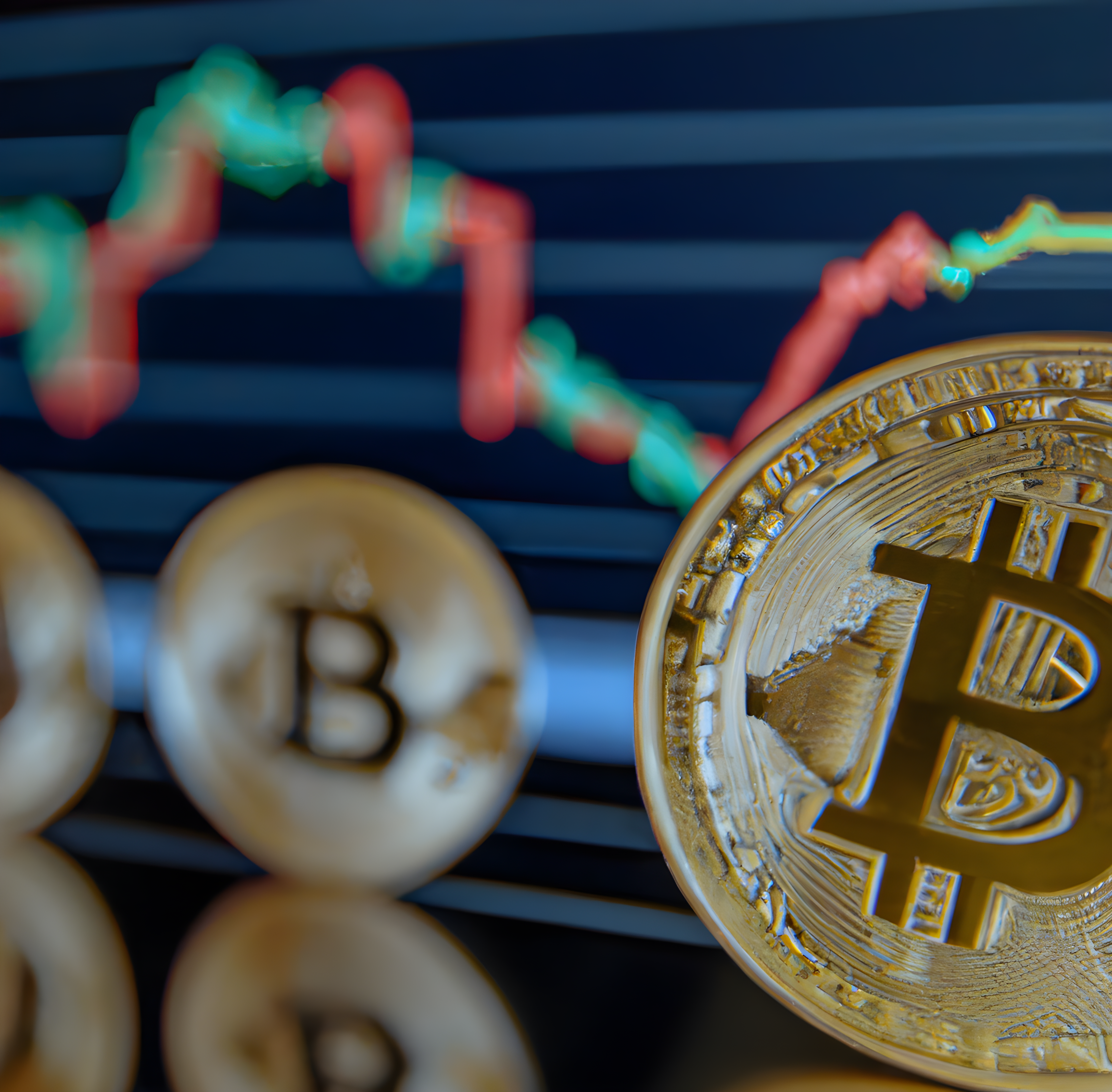
Moreover, charts depicting price movements of leading altcoins in comparison to Bitcoin illustrate this trend distinctly. While Bitcoin has shown more resilience, several altcoins have experienced sharp corrections, often seeing price reductions of 20-40% from their recent highs. This divergence has prompted many investors to consolidate their positions into more stable assets, further emphasizing the cautious sentiment prevailing in the current market landscape.
A contributing factor to this trend appears to be a recognition of the associated risks with altcoins, particularly amidst a climate of regulatory changes and economic uncertainty. As news surrounding compliance and market regulations ripple through the industry, investors find themselves gravitating towards established cryptocurrencies like Bitcoin and Ethereum, which generally offer a more stable investment case.
Going forward, the market sentiment in cryptocurrencies highlights the crucial need for vigilance and adaptability, as market participants continue to navigate through evolving conditions. This trend of pulling back from risky positions serves as an essential insight into the overall health of the cryptocurrency market and the considerations that now weigh heavily on investor decisions.
Impact of Macroeconomic Factors on Market Sentiments
Macroeconomic factors play a pivotal role in shaping market sentiments, significantly influencing investor behavior and risk appetite. Among these factors, the economic policies enacted by the United States, especially those pertaining to the Federal Reserve’s interest rate decisions, are of utmost importance. The uncertainty surrounding these policies can create unease in the market, as investors attempt to gauge how shifts in interest rates will affect economic growth and inflation. When the Federal Reserve signals a potential increase in interest rates, it typically leads to a tightening of financial conditions, encouraging investors to reassess their exposure to riskier assets like altcoins.
Furthermore, trade tensions between the United States and China have also added another layer of complexity to market dynamics. The ongoing negotiations and tariffs create a volatile environment, prompting investors to reconsider their strategies. Heightened uncertainty regarding trade agreements can lead to diminished consumer and business confidence, thereby affecting overall market performance. As companies grapple with changing trade policies, sectors reliant on international trade may experience significant fluctuations, which can further deter investment in higher-risk assets.
The interplay between these macroeconomic factors and market sentiments ultimately contributes to the general pullback from altcoins and other risky investments. Investors, seeking to navigate this uncertain landscape, tend to gravitate towards safer assets when faced with potential rate hikes or geopolitical instability. This caution reflects a broader trend where market participants continuously evaluate risk versus reward, aligning their strategies with current economic indicators. As such, understanding these macroeconomic influences is crucial in grasping the sentiment shifts seen in today’s market.
The Role of Open Interest in Understanding Market Dynamics
Open interest is a crucial metric in the cryptocurrency market, reflecting the total number of outstanding derivative contracts, such as options and futures, that have not yet been settled. It serves as an essential indicator of market activity and sentiment, providing insight into the degree of participation among traders, especially in altcoin markets. As investors engage with these financial instruments, open interest can reveal shifts in demand and the overall health of the market.
When open interest levels rise, it often indicates that new money is entering the market and that traders are initiating new positions. This increase may be a reflection of bullish sentiment, suggesting that investors have a positive outlook on price movements. Conversely, a decline in open interest may suggest that traders are liquidating positions and could signify a weakening market sentiment. Such trends often precede significant price movements and can provide valuable information for traders looking to navigate the volatile cryptocurrency landscape.
Recent market dynamics have demonstrated a notable correlation between open interest and price fluctuations in altcoins. For instance, during a recent bullish run, open interest in various altcoins surged, indicating growing investor confidence. However, as the market corrected, there was a corresponding drop in open interest, suggesting that participants were wary of potential losses and reduced their exposure. This relationship highlights how open interest can serve as a barometer for determining the prevailing sentiment within the market.
Understanding open interest is vital for investors wanting to gauge shifts in market dynamics. By analyzing the trends associated with open interest alongside price movements, traders gain a more profound perspective on potential market reversals and shifts in investor confidence. Ultimately, keeping an eye on open interest metrics allows market participants to make informed decisions and enhances their overall trading strategy in the fluctuating world of cryptocurrencies.
Future Outlook: Navigating Market Uncertainties
The cryptocurrency market is currently experiencing a complex landscape characterized by volatility, regulatory changes, and evolving investor sentiments. As we look ahead, the interplay of these factors will likely shape the trajectories of digital assets, particularly altcoins. Market participants must navigate this uncertainty by analyzing macroeconomic indicators and understanding the behavioral trends exhibited by investors.
One significant influence on the cryptocurrency market is the regulatory environment. Increased scrutiny from governmental bodies worldwide may lead to stricter regulations, impacting the adoption rates of altcoins. Investors will need to stay informed about legislative updates and their potential repercussions on the market. Furthermore, changes in policies may also affect institutional investments, which have been a stabilizing force in the market, driving sentiment toward riskier assets. The degree to which institutions engage with altcoins will largely dictate their performance in the coming months.
Additionally, macroeconomic indicators such as inflation rates, interest rates, and the overall global economic outlook will play crucial roles in shaping investor confidence. Should global markets remain volatile, risk-averse investors might continue to retreat from altcoins, further contributing to price fluctuations. Conversely, should economic stability improve, we may witness a renewed interest in riskier positions as investors seek higher returns.
Expert opinions suggest that a balanced approach to investment in cryptocurrencies is essential during these uncertain times. Diversifying portfolios to include a mix of established cryptocurrencies alongside promising altcoins can mitigate risks. Continuous monitoring of market trends, combined with a clear understanding of one’s risk tolerance, will empower investors to navigate this landscape effectively. Through careful analysis and strategic decision-making, investors can position themselves to capitalize on potential growth opportunities in the cryptocurrency market.





