
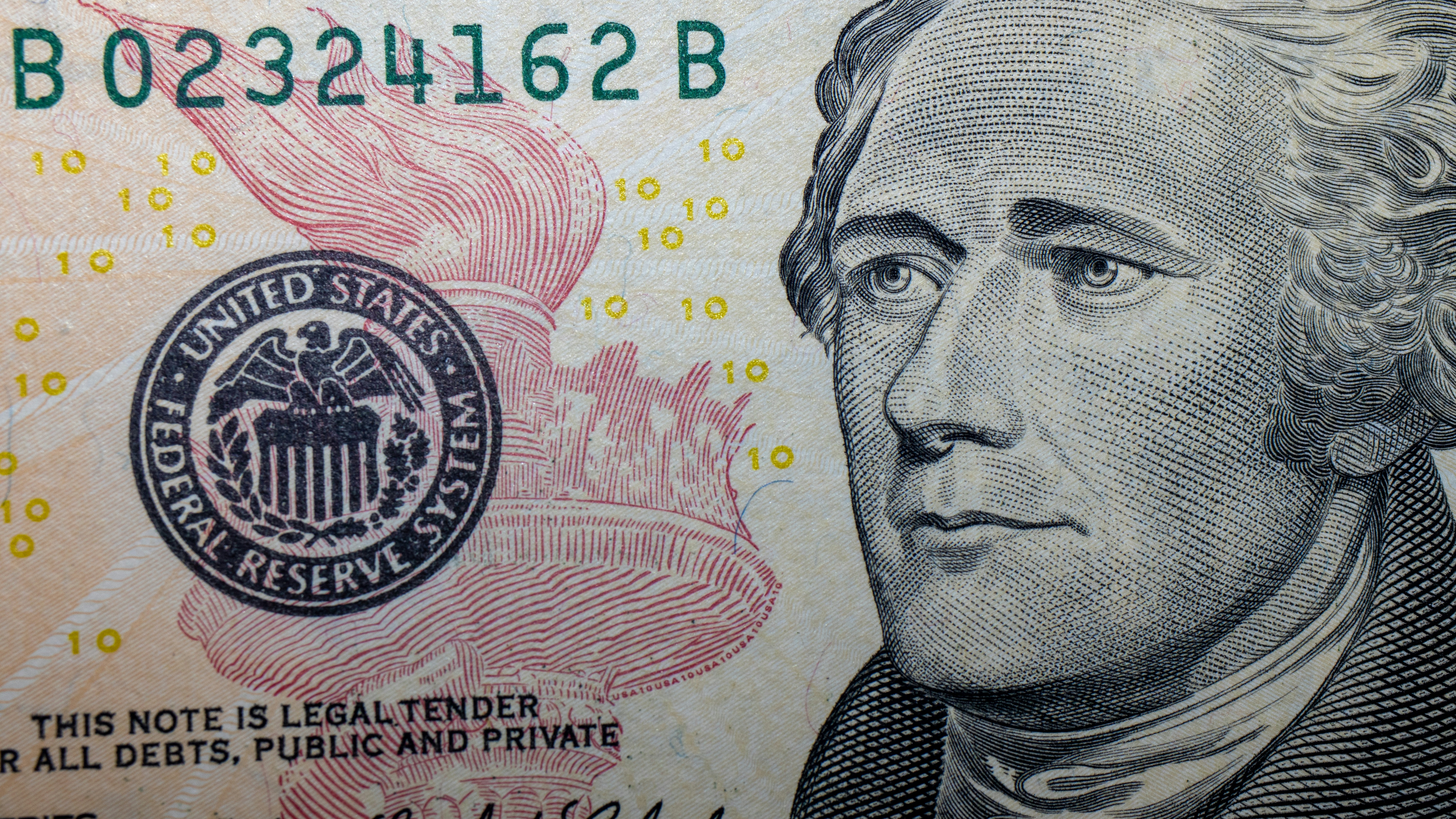
Current State of the US Dollar
The US dollar currently demonstrates remarkable strength, having reached a three-month high, which reflects a complex interplay of economic indicators, market sentiment, and geopolitical factors. This upward trajectory of the dollar’s value can be attributed to several key elements that influence its performance in global markets. One significant factor is the robust economic indicators emerging from the United States, which include improving employment rates and consumer spending. These metrics not only bolster confidence in the US economy but also attract foreign investment, further driving demand for the dollar.
Market sentiment plays an integral role in the dollar’s resilience as well. Investors often turn to the dollar as a safe-haven currency in times of uncertainty, and recent geopolitical tensions have prompted increased buying activity in the dollar. Such behaviors are indicative of a broader trend whereby market participants seek relative security in the US dollar, especially when facing instability in other regions. The Federal Reserve’s monetary policy also contributes to the dollar’s strength, particularly as interest rates remain higher relative to other major currencies. This policy not only reinforces positive investor sentiment but also amplifies the dollar’s attractiveness in foreign exchange markets.
Statistical data highlights the dollar’s recent performance, showcasing its robustness. For instance, charts depicting exchange rate variations illustrate the dollar’s steady ascent against a basket of major currencies. As of recent reports, the dollar index has consistently shown gains, reflecting heightened investor confidence. Furthermore, the divergence in economic recovery rates globally, especially in comparison to peers like Europe and Asia, has also solidified the dollar’s prevailing strength. In conclusion, the current state of the US dollar not only illustrates its resilience but also sets the stage for its potential future trajectory amidst ongoing global economic dynamics.
Skepticism Towards Federal Reserve Interest Rate Cuts
The prevailing sentiment among market participants regarding potential interest rate cuts by the Federal Reserve in December reflects a significant level of skepticism. This skepticism is grounded in various economic indicators that suggest an intricate balance of risks prevailing in the economy. One of the predominant factors casting doubt on the efficacy of an interest rate cut is inflation. Recent data indicates that inflation rates have remained stubbornly above the Fed’s target, prompting analysts to question whether a cut would be warranted or prudent amidst rising price levels. The expectation of sustained inflation poses challenges for the Fed’s ability to manage monetary policy effectively.
Additionally, employment data paints a complex picture. Although job creation has been sustained, concerns regarding wage growth and labor force participation rates are prevalent. A robust labor market is typically conducive to higher consumer spending, yet the underlying wage dynamics reflect pressures that could dampen economic momentum. These employment trends lead many to wonder if a rate cut could inadvertently exacerbate inflationary pressures rather than alleviate them.
Economic growth projections also contribute to the skepticism surrounding potential rate cuts. While growth indicators in the U.S. economy show resilience, underlying weaknesses in certain sectors, such as manufacturing, signal a mixed economic outlook. The Fed’s decisions are heavily influenced by its assessments of economic growth; thus, many market observers remain cautious, interpreting any signals from the Fed as potentially ambiguous. They are keenly aware that an overly aggressive approach to cutting rates could destabilize the dollar’s value, which has remained relatively strong. Overall, the interplay of inflation, employment, and growth is creating a backdrop of uncertainty regarding the direction of interest rates, leading to hesitancy surrounding future Fed actions and their implications for the valuation of the dollar.
Implications of Interest Rate Decisions on the Dollar
The relationship between interest rate decisions implemented by the Federal Reserve and the performance of the US dollar is a critical aspect of economic analysis. Interest rates have a significant influence on investor behavior and capital flows, which in turn can either strengthen or weaken the dollar. When the Federal Reserve raises interest rates, it typically results in a higher return on investments denominated in US dollars, attracting foreign capital. This influx can bolster the dollar’s value against other currencies. Conversely, lower interest rates may lead to capital outflows as investors seek better returns elsewhere, thereby weakening the dollar.
Historically, there is a notable correlation between interest rate hikes and the appreciation of the dollar. For instance, following the post-2008 financial crisis, the Federal Reserve adopted an accommodative monetary policy, keeping interest rates near zero for an extended period. This environment often resulted in the depreciation of the dollar, as investors looked outside the US for more favorable yields. However, as the economy improved and the Fed started raising interest rates in the subsequent years, the dollar regained strength, evidenced by increased capital inflow into US assets.
Case studies also reveal that sudden shifts in interest rate policy can create volatility in the dollar’s performance. For example, the Fed’s unexpected rate cuts during the COVID-19 pandemic initially weakened the dollar as uncertainty led to a search for safety in assets like gold and foreign currencies. However, as the recovery progressed and speculation about future rate increases strengthened, the dollar bounced back, showcasing the dynamic interplay between interest rates and currency valuations.
Understanding these implications is crucial for investors and policymakers alike, as fluctuations in interest rates can signal potential shifts in dollar strength. By monitoring the Federal Reserve’s interest rate policies, stakeholders can better anticipate trends and make informed decisions regarding investment strategies and economic forecasting.
Market Predictions and Future Outlook for the US Dollar
The US dollar has long been a pillar of the global financial system, and its future performance is subject to a myriad of factors that could shape its trajectory. Current market predictions vary, but most experts agree that the dollar’s strength is tied closely to several key economic indicators and geopolitical dynamics. Financial analysts are closely monitoring inflation rates, interest rates set by the Federal Reserve, and overall economic growth as these elements can significantly impact the dollar’s value.
One of the main contributors to the outlook for the US dollar is the Federal Reserve’s monetary policy. Analysts predict that if inflation remains elevated, the Fed may continue its policy of tightening interest rates to maintain price stability. Higher interest rates generally attract foreign investment, bolstering demand for the dollar. Conversely, should inflation subside, a more dovish approach from the Fed could weaken the dollar, as lower rates may decrease yields for investors.
Additionally, global economic trends, such as the ongoing recovery from the COVID-19 pandemic and supply chain disruptions, will be pivotal. The dollar often strengthens during times of global uncertainty as investors seek safe-haven assets. Therefore, any resurgence of instability, whether due to geopolitical tensions or economic downturns in other regions, could lead to increased demand for the US dollar.
Moreover, potential challenges are on the horizon. The emergence of digital currencies and shifting trade relationships may challenge the dollar’s dominance in global markets. However, opportunities such as international investments and collaborations remain abundant, potentially supporting the dollar’s position. Overall, while the US dollar may face headwinds, its resilient nature suggests a complex but cautiously optimistic future outlook.