
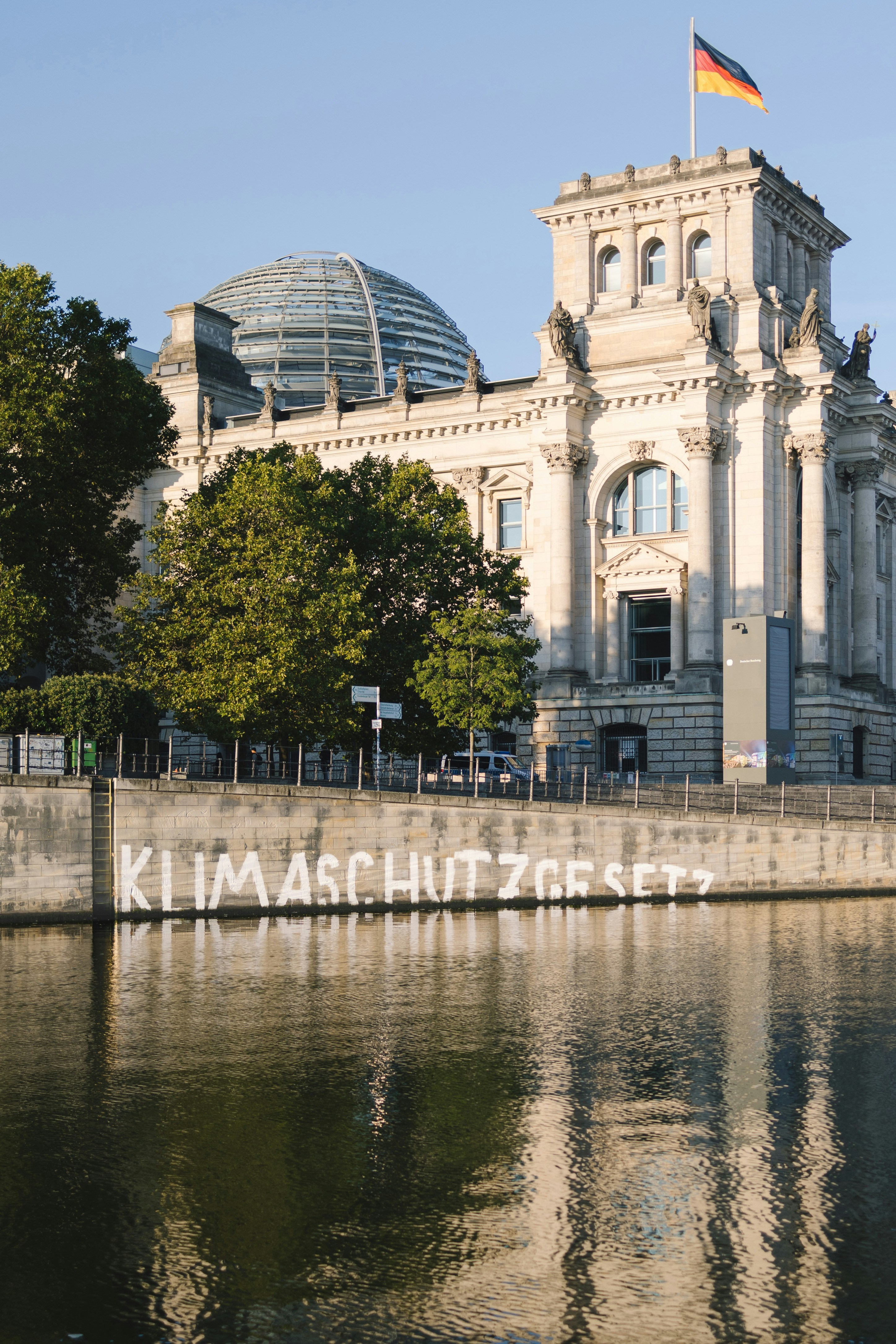
Introduction to Germany’s Environmental Commitment
Germany has established itself as a pioneer in environmental sustainability, demonstrating a long-standing commitment to ecological responsibility and climate action. Over the past few decades, the nation has taken significant strides towards reducing carbon emissions, laying the groundwork for an ambitious green transition. Since 1990, Germany has successfully managed to cut its greenhouse gas emissions by nearly 50%, a notable achievement that sets a benchmark for other European nations. This reduction is not only a reflection of policy effectiveness but also of a broader societal movement towards environmental stewardship.
The transformation in Germany’s approach to sustainability began in earnest with the implementation of the Renewable Energy Sources Act (EEG) in 2000, which aimed to promote the use of renewable energy and attain energy independence. The country has since invested significantly in wind, solar, and biomass energy, which collectively contribute to a substantial portion of its energy supply. These efforts have been crucial in driving down emissions and fostering an economic landscape that values sustainability.
Furthermore, Germany plays a pivotal role in the European Green Deal, a comprehensive framework that aims to make Europe the first climate-neutral continent by 2050. This ambitious initiative strives not only to tackle climate change but also to encourage economic growth and create new job opportunities within the green sector. As a leading architect of this deal, Germany is poised to inspire and guide other European states in their pursuit of environmental sustainability. The country’s extensive experience and dedication to reducing carbon emissions underscore its position as a leader in Europe’s environmental revolution, illustrating what can be achieved with concerted and forward-thinking strategies.
The Progress Made: Key Achievements in Reducing Emissions
Germany has made significant strides in reducing greenhouse gas emissions over the past few decades, positioning itself as a leader in environmental sustainability among European nations. The country has implemented a multi-faceted approach that primarily focuses on a substantial shift towards renewable energy sources. By investing in wind, solar, and biomass energy, Germany has progressively reduced its reliance on fossil fuels. In fact, the share of renewables in the country’s energy consumption rose to approximately 42% in 2019, a notable increase compared to previous years.
In conjunction with the enhancement of renewable energy capacity, Germany has made substantial progress in promoting energy efficiency. The government has introduced various incentive programs aimed at both industries and consumers to encourage energy-saving practices. The “Energy Efficiency Strategy 2050” serves as a comprehensive framework for achieving a significant reduction in overall energy consumption. Through this initiative, the country has successfully implemented energy-saving technologies and practices across various sectors, leading to a remarkable decline in emissions.
Technological innovation also plays a crucial role in Germany’s emissions reduction strategy. The country encourages research and development in green technologies, encompassing everything from electric vehicles to carbon capture solutions. For instance, projects like the “Energiewende” highlight Germany’s commitment to transitioning away from traditional energy systems. Numerous pilot projects demonstrate how local assemblies, businesses, and citizens collaborate to develop and implement sustainable solutions that not only lower emissions but also promote economic growth and energy independence.
Overall, these collective efforts reflect Germany’s proactive stance in leading the charge towards environmental sustainability within Europe. Case studies, such as the success of wind farms in the North Sea and solar power initiatives in urban settings, reinforce the positive impact of these measures on emission reduction and serve as models for other countries striving for similar goals.
Controversies and Challenges Facing Environmental Policies
The implementation of Germany’s environmental policies has sparked considerable debate, highlighting various controversies that arise when balancing ecological initiatives with economic realities. One of the primary criticisms of these policies comes from environmental advocates who argue that Germany’s ambitious targets, such as reaching net-zero carbon emissions by 2045, may not be ambitious enough. They contend that the pace of implementing renewable energy sources, along with reducing reliance on fossil fuels, is insufficient to meet the pressing demands of climate change.
Conversely, industry representatives voice concerns over the economic implications of stringent environmental regulations. Many argue that the transition to a greener economy could lead to job losses, particularly in sectors reliant on traditional energy sources. This concern has been heightened with recent revisions to the European Green Deal, which some perceive as shifting burdens onto industrial sectors without adequate support or alternatives. As businesses grapple with the cost of upgrading technologies and processes, tensions between environmental priorities and economic stability have become increasingly palpable.
Within this contentious landscape, policymakers face the daunting task of navigating these competing interests. Efforts to harmonize stringent environmental goals with the economic needs of key industries have led to complex negotiations, often resulting in compromises that may dilute the efficacy of environmental initiatives. The contradictory responses from various stakeholders reflect a broader struggle: the urgency of addressing climate change must be weighed against the economic and social impacts of aggressive environmental regulations.
Ultimately, the future of Germany’s environmental policies hinges on finding a sustainable balance that addresses the climate crisis while safeguarding economic stability and employment. Only through open dialogue and collaboration among all stakeholders can Germany effectively lead the charge in the European environmental revolution.
The Future of Germany’s Role in the European Green Deal
Germany’s commitment to sustainable development is pivotal to the success of the European Green Deal. As one of the largest economies in Europe, Germany has set ambitious targets to reduce greenhouse gas emissions, aiming for a significant reduction by 2030 and striving for climate neutrality by 2045. This proactive stance positions Germany as a leader in the European Green Deal, paving the way for innovative policies and practices that could serve as benchmarks for other nations.
In the coming years, Germany is expected to deepen its collaborations with other European countries to enhance the effectiveness of the Green Deal. This collaborative approach will not only facilitate the sharing of best practices but also foster partnerships in areas such as renewable energy, electric mobility, and sustainable agriculture. By integrating these advancements, Germany can help stimulate a collective response to pressing environmental challenges faced by the continent.
Furthermore, Germany’s emphasis on technological innovation will play a critical role in its contributions to the European Green Deal. The country has a rich history of investing in research and development, particularly in green technologies. By continuing to support startups and established companies focused on eco-friendly solutions, Germany can ensure that it remains at the forefront of environmental advancements. These innovations will provide essential tools that can be shared with European partners, enhancing the overall impact of the Green Deal.
On a global scale, Germany’s ambitious policies will likely influence international environmental agendas. The lessons learned from its experience with the transition to a more sustainable economy can offer valuable insights to developing and developed nations alike. As Germany pushes forward with its environmental initiatives, the potential ripple effects could catalyze global momentum toward a more sustainable future.
In conclusion, Germany’s dynamic role within the European Green Deal signifies a promising path toward achieving collective sustainability goals. Through collaboration, innovation, and shared expertise, Germany can enhance its impact while inspiring others to join in the environmental revolution.
You might also like:
- US Stock Market Update: October 22, 2025 – A Strong Revival after Turmoil
- ATP Finals 2025: Highlights from the Turin Tournament
- Ecuadorian Drug Lord’s Capture: Fake Death Unraveled in Spain
- Newcastle Shocks Man City: A Turning Point in the Championship Race
- China’s Strategic Gamble on AI and Electric Vehicles: Insights from Semiconductor Experts