
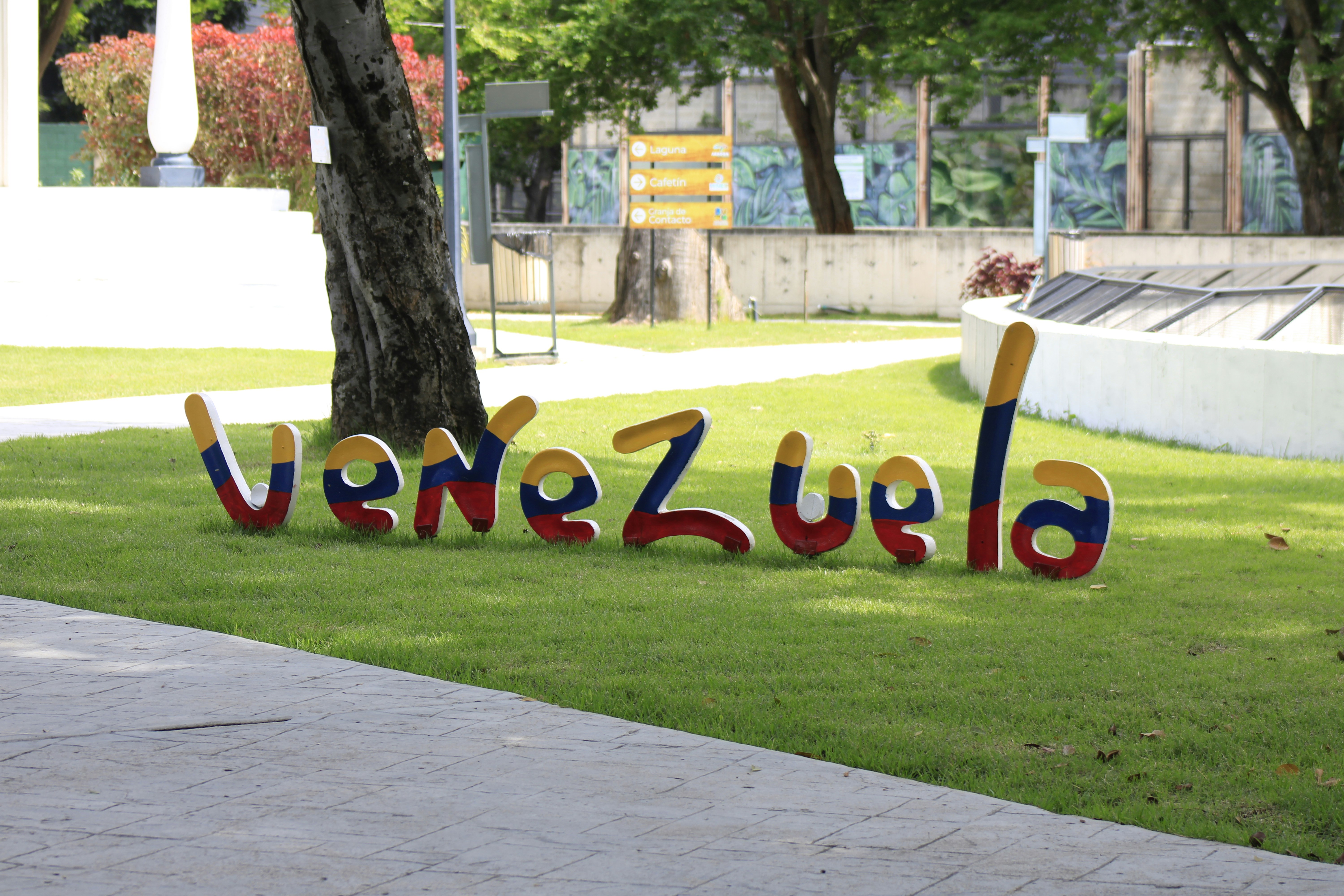
Introduction to the U.S.-Venezuela Tensions
The relationship between the United States and Venezuela has long been marked by a combination of geopolitical interests, ideological differences, and economic considerations. Over the years, several key events have shaped the dynamics of U.S.-Venezuela relations. One significant aspect is the shift that occurred after the rise of Hugo Chávez to power in 1999, which ushered in a wave of anti-U.S. sentiment due to his policies that prioritized nationalism and socialist reforms. This was further exacerbated by the U.S.’s response, which included economic sanctions and political support for the opposition, impacting both countries’ diplomatic relations.
Moreover, the situation escalated under the leadership of Nicolás Maduro, who succeeded Chávez and faced widespread accusations of human rights violations and authoritarian governance. In turn, the U.S. escalated its rhetoric and actions, including imposing a series of sanctions aimed at crippling Venezuela’s economy, particularly its vital oil industry. These measures fostered an increasingly polarized environment, leading to heightened tensions that reverberated throughout the region.
Recently, the deployment of nearly 200 Tomahawk missiles in the Caribbean has introduced a new dimension to this complex relationship. This military maneuver is perceived as a clear demonstration of U.S. intent to deter perceived threats and uphold regional stability. The Trump administration’s stance on potential intervention in Venezuela informs these military actions, reflecting a broader strategy that seeks to address the ongoing political and humanitarian crises within the country.
As this situation continues to evolve, it is essential to explore the implications of these developments, particularly regarding the stability of Latin America and the broader impact on international relations. Understanding this context is vital for analyzing the potential consequences of U.S. military involvement in Venezuela and its ramifications for regional and global dynamics.
Military Build-up and Its Consequences
The recent military logistics surrounding the U.S. deployment of Tomahawk missiles in the Caribbean have raised significant concerns regarding strategic objectives and potential military repercussions. This deployment serves as a clear demonstration of military capacity and resolve, intended not just as a deterrent against Venezuela, but also as a signal to neighboring countries in the region. The relocation of such advanced weaponry enhances the U.S. military presence and implicitly increases the stakes for regional stability, as any miscalculation could trigger extensive conflict.
By positioning Tomahawk missiles within striking distance of Venezuelan territory, the U.S. aims to articulate a strong stance against what it perceives as the increasing threat posed by the Venezuelan government. This military build-up is likely to escalate tensions in an already volatile region, prompting responses not only from Venezuela but potentially from allied nations concerned about American military intentions. Countries such as Colombia and Brazil, which share borders with Venezuela, may find themselves drawn into the conflict, either directly or through the need for recalibrated regional security measures.
The Venezuelan government is expected to react strongly to this demonstration of force, possibly leading to a range of military and diplomatic responses. An aggressive military posture could entail increased military readiness in the Venezuelan armed forces, augmented by rhetoric suggesting a defense of sovereignty against perceived foreign aggression. Diplomatically, Venezuela may seek support from other nations, particularly those within the Non-Aligned Movement or allied states in Latin America, aiming to dissuade further U.S. intervention. These potential actions highlight the intricate nature of geopolitical relations and the ramifications of military posturing in the context of international diplomacy.
Trump’s Signals: Intervention or Diplomacy?
In recent years, President Donald Trump has made several statements regarding the political situation in Venezuela, signaling a readiness for various forms of U.S. involvement. His administration has oscillated between aggressive rhetoric suggesting military intervention and strategic calls for diplomatic engagement. Such signals emerge against the backdrop of a humanitarian crisis in Venezuela, characterized by mass migration, food shortages, and political oppressions under Nicolás Maduro’s regime.
Trump’s administration has articulated a clear objective to promote democracy and curb the influence of authoritarianism in Latin America. This foreign policy stance towards Venezuela is twofold: on one hand, advocating for regime change through direct intervention; on the other, emphasizing the importance of diplomacy and humanitarian assistance. The rhetoric often reflects a tough stance, suggesting that all options, including military action, remain on the table. Such declarations have elicited mixed reactions domestically and internationally, with some viewing them as necessary to support the Venezuelan people’s struggle for freedom.
However, the implications of U.S. military involvement in Venezuela are complex. Critics argue that direct intervention might exacerbate the already volatile situation, potentially leading to regional destabilization or humanitarian crises. In contrast, advocates of military action assert that it may be needed to topple a despotic regime. The dialogue surrounding intervention is complicated further by the perspectives of neighboring countries and international entities, many of which favor diplomatic resolutions over military intervention to address the grave humanitarian needs without causing large-scale conflict.
The political climate in the U.S. also influences this discussion, as lawmakers debate the best course of action. As pressures mount from constituents and advocacy groups, the conversation surrounding U.S. military involvement or a focus on diplomatic solutions continues to evolve. It remains to be seen whether President Trump’s signals will translate into tangible action and what ramifications such actions would entail for both Venezuela and U.S. foreign policy in the region.
Potential Global and Regional Repercussions
The potential U.S. military involvement in Venezuela presents significant global and regional repercussions that extend beyond the immediate geopolitical dynamics. Firstly, such actions are likely to strain U.S. relationships with neighboring Latin American countries. Many nations in the region have historically been opposed to foreign interventions, particularly actions perceived as imperialistic. The polarizing effect of U.S. military activities may lead to increased anti-American sentiment, thereby destabilizing diplomatic relations and hindering collaboration on critical issues such as trade, drug trafficking, and immigration.
Moreover, international organizations, such as the Organization of American States (OAS) and the United Nations (UN), could find themselves in a complex position as they attempt to mediate the ensuing tensions. The involvement of the U.S. military might prompt these organizations to take a stance that could either support or reject intervention, which may lead to fractured alliances. The challenge will be to balance the principles of sovereignty and human rights against the backdrop of regional stability; a delicate equilibrium that could redefine collective security norms.
The reaction from global powers such as Russia and China should also be considered. Both nations have historically supported the Venezuelan government and have expressed their discontent towards U.S. foreign policy. Any military engagement could prompt these countries to bolster their own involvement in the region, potentially leading to proxy conflicts reminiscent of Cold War-era dynamics. This escalating rivalry could also perpetuate a cycle of instability, affecting civilian populations who are already grappling with humanitarian crises.
Given these multifaceted implications, the landscape of U.S.-Venezuela relations is poised for significant transformation. The entwined effects of regional dissent, international organizational responses, and the involvement of global powers underscore the complexities and potential fallouts of military action in Venezuela, emphasizing the need for judicious policymaking.