
Market Overview: DFM and ADX React to Reopening
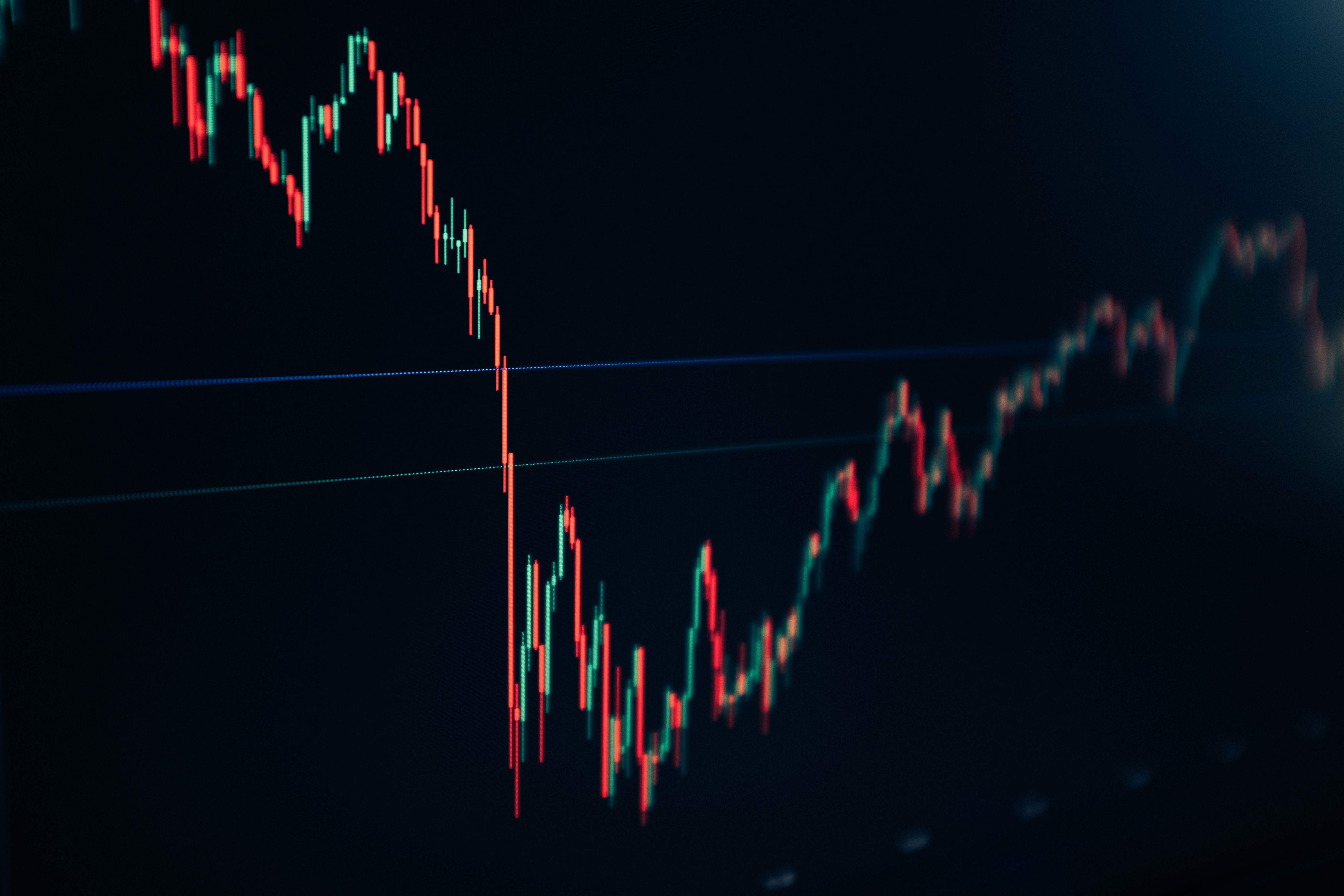
On March 4, 2026, the UAE stock markets, notably the Dubai Financial Market (DFM) and the Abu Dhabi Securities Exchange (ADX), displayed significant declines following a two-day trading halt. This downturn came as a response to escalating regional tensions that have shaken investor confidence across the financial landscape. The DFM, known for its diverse portfolio of companies, recorded a sharp decline of approximately 4.865%, reflecting traders’ anxiety regarding upcoming economic uncertainties.
Similarly, the ADX experienced a notable downturn, with a decrease of around 3.181%. Such immediate adverse reactions from both markets indicate the fragility of investor sentiment in the wake of geopolitical conflicts. Analysts noted that these contractions could lead to further volatility in the coming weeks, as market participants digest the implications of the ongoing situation. Furthermore, this rebound showcases the sensitive nature of stock exchanges to external shocks, particularly in a region where economic interdependence is markedly high.
The reactions observed during this reopening could significantly influence trading patterns moving forward. Investors traditionally look for stability, and the current market trends may initiate a shift in investment strategies. With the focus now on safeguarding assets and minimizing risk, traders have begun prioritizing defensive stocks and sectors that are perceived to offer resilience in turbulent scenarios.
Additionally, the response from regulatory bodies and market authorities will be crucial in restoring investor confidence. Future communications regarding mitigation strategies and economic forecasts will likely play a vital role in shaping market trajectories in the immediate term. Overall, these events underscore the interconnectedness of regional dynamics and stock market performance, which is particularly evident in the DFM and ADX’s recent responses.
Sector Performance: Impact on Key Industries
The recent downturn in UAE stock markets, attributed to escalating regional conflicts, has notably impacted key industries, particularly banking and property shares. As investor sentiment weakened, major corporations within these sectors experienced significant fluctuations in their stock prices.
Emirates NBD, one of the largest banks in the UAE, witnessed a reduction in share value as concerns over credit risk and economic stability heightened among investors. The bank’s financial performance faced scrutiny, with analysts predicting challenges in asset growth and loan demand amid the geopolitical tensions. Consequently, such uncertainty surrounding the banking sector may lead to tighter lending conditions, further exacerbating the volatility in stock prices.
Similarly, Emaar Properties, a leading player in the Dubai real estate market, reported a decline in its market capitalization, reflective of the adverse effects on investor confidence. The property market, already sensitive to external economic factors, found itself in a precarious position, with sales and rental prices anticipated to falter as potential buyers become more cautious. Additionally, as many investors reassess their portfolios in light of the regional volatility, a growing number of property developers might find themselves facing stagnant or declining demand.
First Abu Dhabi Bank (FAB), another key institution within the banking sector, saw its stock performance mirror that of Emirates NBD. Advancements in digital banking and robust capital ratios had previously positioned FAB favorably; however, the current atmosphere of uncertainty has led to a reevaluation of growth projections. The correlation between the regional conflict and market performance illustrates how external factors can significantly alter the financial landscape in the UAE.
As the geopolitical situation continues to unfold, the long-term implications for the banking and property sectors remain a point of concern for investors, highlighting the need for careful monitoring of market trends.
Regulatory Responses: Measures Taken by Market Authorities
The recent declines in the UAE stock markets, particularly the Dubai Financial Market (DFM) and Abu Dhabi Securities Exchange (ADX), have prompted swift regulatory actions from market authorities. In light of the heightened volatility and investor uncertainty caused by regional conflicts, these measures aim to stabilize the financial markets and restore investor confidence.
One of the immediate actions taken was the implementation of temporary downside price limits for securities traded on both the DFM and ADX. This initiative is designed to prevent excessive declines in stock prices and to limit investor panic during periods of turmoil. By capping daily price fluctuations, regulators hope to foster a more orderly trading environment, allowing investors to make informed decisions rather than react impulsively to market conditions.
Moreover, the UAE capital markets authorities have issued urgent disclosure requirements for listed companies. These regulations mandate that companies provide timely and transparent information regarding their financial status and any developments that might impact their operations. This requirement for prompt disclosures is crucial during periods of instability as it helps mitigate the information asymmetry that often exists between market participants, thus promoting fair trading practices.
In addition to these measures, the UAE Capital Markets Authority instituted a two-day trading halt in response to the unprecedented market behavior. This temporary suspension was aimed at providing market participants with adequate time to assess the situation and for authorities to implement necessary interventions. The halt underscores the importance of stability in financial markets and reflects a proactive approach to managing crises in the financial domain.
In conclusion, the steps taken by the market authorities highlight their commitment to maintaining the integrity of the UAE’s financial markets during challenging times. By instituting measures such as price limits, stringent disclosure protocols, and trading halts, they aim to protect investors and ensure a more resilient market environment moving forward.
Investor Sentiment: Analyzing Market Reactions and Concerns
The ongoing regional conflict has elicited a wave of apprehension among investors in the UAE stock markets, significantly affecting market sentiment. As tensions escalate, the response from investors has been characterized by a cautious and protective stance towards their portfolios, leading to pronounced declines in market indices. The fear of potential economic repercussions stemming from geopolitical instability is understandably at the forefront of investor concerns, prompting many to reassess their investment strategies.
One of the primary issues influencing investor sentiment is the uncertainty surrounding economic forecasts. Investors are increasingly worried about how the conflict may impact trade relationships, inflation rates, and overall economic stability in not just the UAE, but also the wider Gulf region. This trepidation is compounded by the fear of rising energy prices, which could place a strain on businesses and consumers alike, further destabilizing the market.
Market reactions have reflected these sentiments, with numerous sell-offs observed as investors sought to mitigate risk. This behavior exemplifies a broader trend during moments of geopolitical turmoil, where the instinct to preserve capital often leads to widespread declines. Investors are closely monitoring political developments and economic responses from the UAE and surrounding nations, aiming to gauge how these factors will influence the stock market dynamics moving forward.
As the situation continues to unfold, many analysts are cautioning investors to remain vigilant and engaged with market developments. While there is an inherent need for caution, the potential for volatility may also present opportunities for those able to navigate the uncertainty. Therefore, striking a balance between risk management and seizing investment opportunities is critical as stakeholders adapt to the shifting landscape.
You might also like:
- A Citrus-Scented Cannabis Compound Reduces Effort for Weed Customers
- Zoe Saldana Beats Scarlett Johansson: A Look into the Highest-Grossing Actor Title
- Mets urged to get alternate for Angels 3X MVP to pair with Juan Soto
- 5 Ultimate Beyond: Essential Growth Secrets
- Market Update: CAC 40 Shows Mixed Signals on October 22, 2025
