
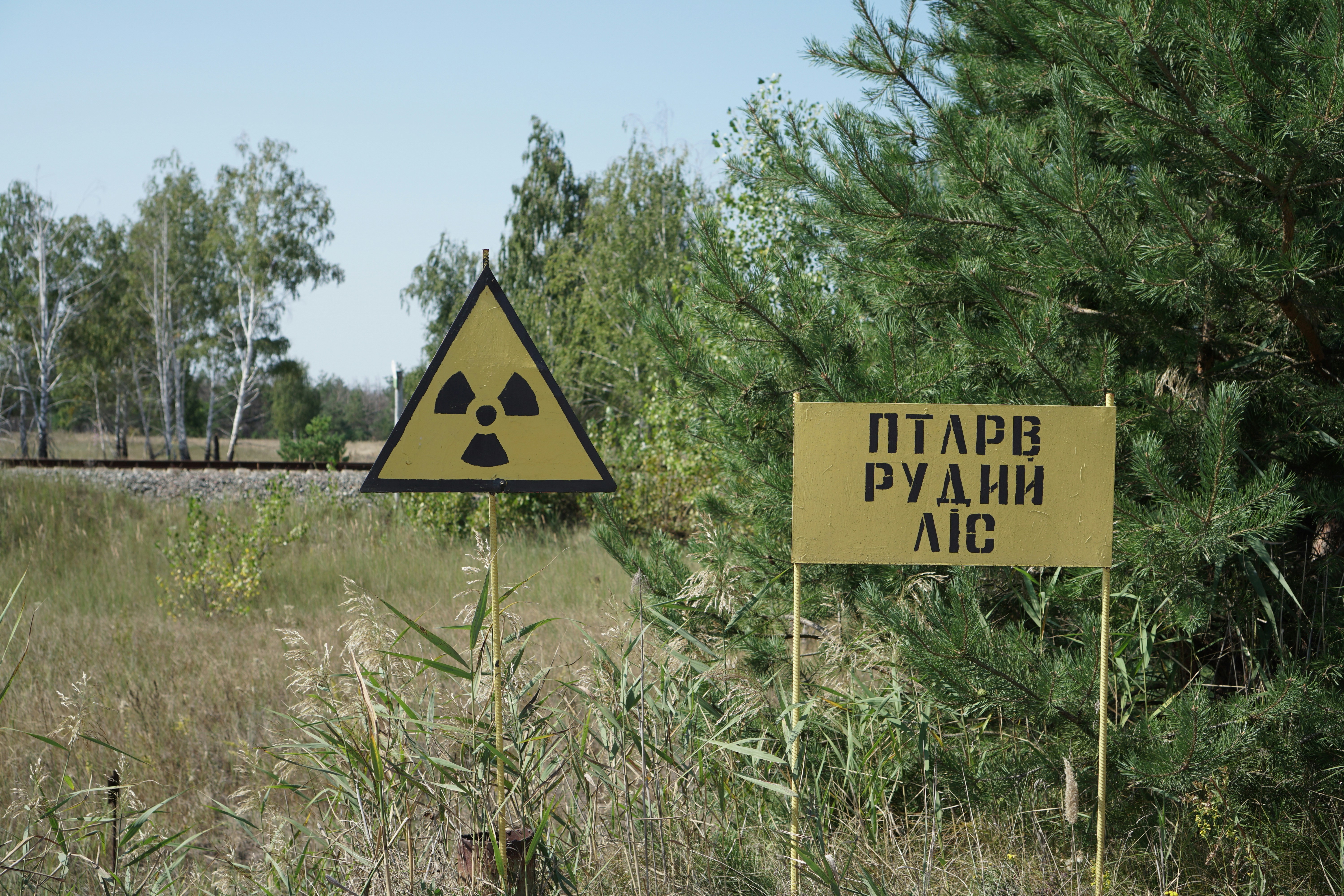
Background of Nuclear Testing
Nuclear testing, which has played a pivotal role in shaping global security dynamics, emerged prominently during the Cold War era when the United States and the Soviet Union engaged in a fierce arms race. This period not only witnessed heightened tensions between these superpowers but also extensive nuclear arms development, with both nations testing various weapons of mass destruction. The quest for military superiority led to significant advancements in nuclear technology, as countries sought to demonstrate their capabilities and deter adversaries.
The first successful test of an atomic bomb in July 1945 by the United States marked the beginning of the nuclear age, quickly followed by the Soviet Union’s detonation of its own bomb in 1949. The ensuing decades saw a plethora of tests conducted by both nations, each aiming to enhance their arsenals and assert dominance on the world stage. Various nations, inspired by the strategic advantages that nuclear weapons seemed to confer, also ventured into nuclear testing, thereby expanding the roster of nuclear powers.
In response to the environmental and humanitarian implications of nuclear weapons testing, international efforts have sought to mitigate these dangers through treaties. One of the landmark agreements is the Comprehensive Nuclear-Test-Ban Treaty (CTBT), established to prohibit all nuclear explosions. While the CTBT garners widespread support, it has not yet entered into force due to several key nations, including the United States and Russia, refraining from ratification. Today, the status of global nuclear arsenals is a precarious issue, with nine countries estimated to possess approximately 13,000 nuclear weapons as of 2023. This context is critical to comprehend the current geopolitical landscape regarding nuclear testing and the implications of recent remarks made by global leaders, including Russian President Vladimir Putin, in relation to US weapon testing.
Putin’s Statement: Key Insights
Recently, Russian President Vladimir Putin made headlines with his declaration regarding the potential resumption of nuclear tests in response to the United States’ consideration of reviving its own nuclear testing program. This statement is laden with implications, illustrating the intricate dynamics of contemporary international relations, particularly between Russia and the US. The language chosen by Putin is strikingly deliberate; it invokes a sense of urgency and defiance while reflecting an underlying strategic calculus. His rhetoric emphasizes the importance of deterrence and national security, signaling that Russia would respond robustly to any perceived threats.
The timing of Putin’s statement also merits scrutiny. Occurring in a context where tensions between the two nations heighten, the announcement appears to function as both a warning and a rallying cry for domestic and international audiences. This aspect is crucial, as it underscores Putin’s dual objective of reaffirming Russia’s military posture while appealing to nationalism at home. By situating his comments within the broader narrative of US military activity, Putin seeks to bolster support among his constituents, framing Russia as justifiable in its defense initiatives.
The intended audience for Putin’s remarks transcends national borders. While clearly aimed at a Russian domestic audience to ensure alignment with his leadership, the speech also serves as a message to Western powers, particularly the US. It implicitly calls for restraint from Washington, suggesting that aggressive postures may provoke a backlash. Women within global politics, as well as military analysts, would do well to heed the implications of such statements, as they reflect a complex interplay in the realm of nuclear strategy. The emphasis on testing nuclear capabilities signals to both allies and adversaries that Russia remains committed to its defense capabilities, possibly reshaping international diplomatic engagements in the future.
Implications for Global Security
The resurgence of tensions surrounding nuclear weapons testing, particularly in the context of Putin’s recent propositions, raises significant implications for global security and nuclear non-proliferation efforts. The prospect of a renewed arms race could undermine the integrity of existing international treaties such as the Treaty on the Non-Proliferation of Nuclear Weapons (NPT) and the Comprehensive Nuclear-Test-Ban Treaty (CTBT). A race towards enhanced nuclear capabilities may compel nations to abandon their commitments to disarmament, thereby stalling progress made over decades in reducing nuclear arsenals.
Furthermore, the potential for increased military posturing may lead to a shift in alliances and adversarial relationships among global powers. Countries may bolster their weapons programs in response to perceived threats, leading to a heightened state of alert and, inevitably, the risk of miscalculations that could escalate into conflict. The delicate balance of power that has characterized post-World War II geopolitics risks being destabilized as nations react defensively to Putin’s provocations.
The international community’s reaction to these developments could vary widely. Nations that are traditionally aligned with Russia may choose to support Putin, while others may advocate for stricter sanctions and heightened diplomatic measures to discourage nuclear testing. The role of international organizations, such as the United Nations, becomes critical in mediating these tensions and fostering dialogue. Public opinion also plays an essential role; movements calling for nuclear disarmament can exert pressure on governments to prioritize peace over militarization.
In conclusion, the ramifications of Putin’s stance on U.S. weapons testing extend far beyond national boundaries, potentially influencing global security frameworks, policies, and public sentiment on nuclear issues. In light of these developments, greater collaboration and communication among nations and international bodies become imperative to mitigate the risks associated with a renewed emphasis on nuclear capabilities.
The Path Forward: Diplomacy or Escalation?
The current geopolitical landscape necessitates a sober assessment of the options available to the United States, Russia, and the international community in the wake of escalating tensions surrounding nuclear weapons testing. Diplomacy stands as a viable path forward, emphasizing the essential nature of dialogue among nations. Engaging in diplomatic outreach not only fosters understanding but also serves to mitigate the risks associated with military confrontations. Historical precedents illustrate that sustained dialogue can pave the way for tangible progress in arms control agreements, essential for global stability.
Moreover, it is important to recognize that diplomatic conversations are not solely the responsibility of governments. Civil society plays a crucial role in advocating for nuclear disarmament and influencing public opinion on these matters. Non-governmental organizations, grassroots movements, and concerned citizens can create a powerful force that pressures decision-makers to prioritize peaceful resolutions over military escalation. These advocacy efforts contribute to shifting the narrative around nuclear weapons, promoting a broader understanding of the implications of nuclear armament on global security.
In addition to civil society involvement, international cooperation must be reinforced. Collaborative frameworks, such as multilateral treaties and frameworks like the Treaty on the Non-Proliferation of Nuclear Weapons (NPT), are necessary to foster transparency and accountability among nations. Engaging in discussions within such platforms enhances trust and contributes to the establishment of norms that discourage the proliferation of nuclear weapons. The time to act is now, as the momentum for disarmament hinges on collective action and sustained commitment.
In conclusion, the path forward for the US, Russia, and the international community must prioritize diplomacy over escalation. By committing to ongoing dialogue, empowering civil society, and strengthening arms control agreements, the hope for a peaceful resolution to nuclear tensions remains within reach. The commitment to collaboration is vital for ensuring a stable and secure future for all nations.