Understanding the Context: Belarus Sanctions
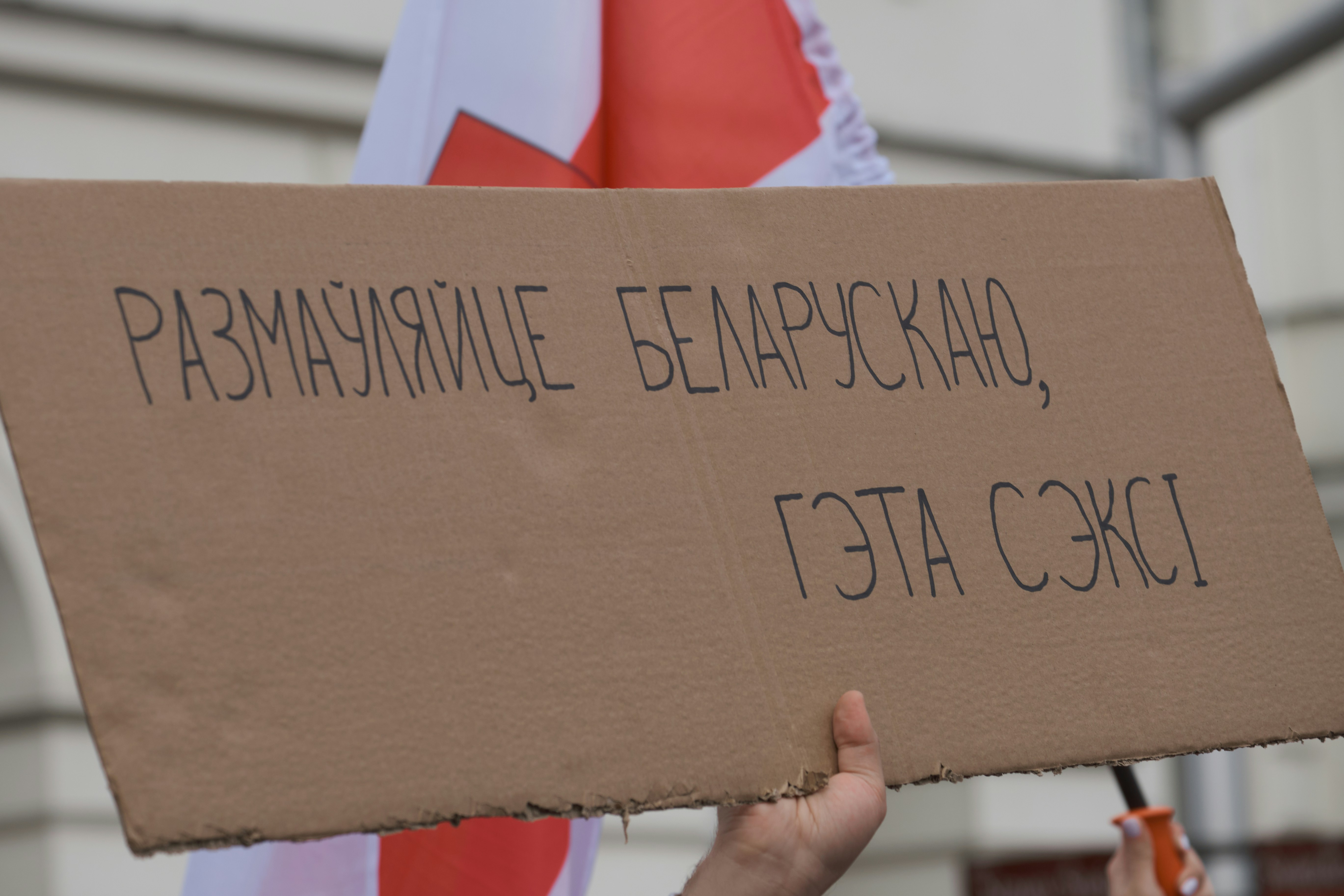
The sanctions imposed on Belarus by the United States and various Western nations have their roots in a series of troubling events that began in the early 2000s, with a discernible escalation around the contested presidential elections in 2020. Following deeply flawed electoral processes, widespread allegations of human rights abuses surfaced, including the violent suppression of protests and the arbitrary detention of opposition figures. These violations catalyzed international condemnation and led to the initial wave of sanctions aimed at Belarusian government officials and entities deemed responsible for such actions.
Initially, sanctions targeted specific individuals within the Belarusian government, including President Alexander Lukashenko, along with key members of his administration. Over time, however, the scope of the restrictions expanded, addressing state-owned enterprises and sectors critical to the economy. Major industries such as oil, potash, and telecommunications faced limitations, affecting the broader economic landscape. The intention behind these measures was multifaceted: to pressure the Belarusian regime into adhering to international norms regarding human rights and democratic governance while isolating its leadership on the global stage.
The impact of these sanctions was profound. The Belarusian economy experienced significant strain, characterized by a declining GDP, inflation, and rising unemployment rates, ultimately exacerbating living conditions for many citizens. Moreover, the societal fabric of Belarus became increasingly strained as public dissent against the regime was met with harsh crackdowns, resulting in the silencing of large sections of the civil society. This backdrop of international isolation and internal turmoil set the stage for the recent developments regarding the lifting of sanctions and the release of political prisoners, presenting a crucial juncture for Belarus as it seeks a path forward.
The Significance of Lifting Sanctions
The recent decision by the United States to lift sanctions on Belarus marks a pivotal moment in the country’s trajectory, presenting both opportunities and challenges for its political, economic, and social spheres. By removing these sanctions, the U.S. signals a willingness to engage with the Belarusian government, potentially paving the way for a more inclusive dialogue on human rights and democratic reforms. This change could foster improved international relations, not only between Belarus and the United States but also among European nations that may reassess their approach towards the Belarusian government.
Economically, lifting sanctions may stimulate growth by providing Belarusian businesses with access to foreign markets and investment opportunities previously hampered by restrictive measures. This increased economic engagement can potentially lead to job creation and an overall enhancement of living standards for the Belarusian populace. Furthermore, the infusion of foreign investment might incentivize the government to adopt more business-friendly policies, fostering an environment conducive to innovation and entrepreneurship.
Socially, the lifting of sanctions sends a powerful message regarding the U.S. commitment to human rights. It suggests that the international community is willing to reward positive changes in governance and civil liberties. However, this also raises the expectation for the Belarusian government to make substantial progress in the realm of human rights and democratic practices. The lifting of sanctions could motivate not only governmental reform but also encourage civic engagement among ordinary citizens, who may feel empowered to advocate for their rights and participate more actively in public life.
In conclusion, the implications of lifting sanctions on Belarus are multifaceted, impacting political discourse, economic opportunities, and social dynamics. As the country navigates this new landscape, the actions taken by its government will be crucial in determining the full ramifications of this significant shift.
The Release of Political Prisoners: A Step Towards Reconciliation
The recent release of 123 political prisoners in Belarus marks a pivotal moment in the nation’s journey towards possible reconciliation and democratic progress. Among those released is Ales Bialiatski, a renowned human rights advocate and Nobel Peace Prize laureate, who has long been a prominent champion of freedom and justice in Belarus. His release, alongside other key figures, signifies a potential shift within the country’s political landscape that has been marred by oppression and human rights violations.
The stories of these prisoners reflect a grim reality. Many were subjected to harsh conditions, unjust sentences, and brutal treatment due to their political beliefs and activism against the regime. Their struggles resonate deeply within the hearts of many Belarusians who yearn for a more open and democratic society. The release of these prisoners serves not only as an act of goodwill but also as a recognition of their sacrifices and the injustices they faced. Personal testimonies from released individuals highlight the emotional and psychological toll of their experiences, illustrating the profound impact of their confinement on their families and communities.
This development is particularly significant in the context of Belarusian politics, where the government has historically suppressed dissent and stifled opposing voices. The lifting of these sanctions and the subsequent release of political prisoners could herald a new era characterized by greater freedom of expression and political engagement. It also raises hopes for dialogue and reconciliation between the government and its citizens. Many observers view this act as a crucial step towards addressing past grievances and restoring trust among the populace, suggesting that perhaps a more peaceful and democratic Belarus is within reach.
Looking Ahead: The Future of Belarus Post-Sanction
The lifting of sanctions against Belarus marks a significant turning point for the nation, presenting both opportunities and challenges for its future. With the international community expanding its engagement, the prospect of political reform becomes more plausible. There is potential for a reconfiguration of governance structures that could enhance the accountability and transparency of the state. Engaging in open dialogue with opposition groups and civil society may catalyze the creation of a more inclusive political system that responds to the aspirations of all Belarusian citizens.
The growth of civil society is another vital area to consider as Belarus moves forward. With sanctions lifted, several international organizations and NGOs may channel resources and support into Belarus. This influx could bolster grassroots movements aimed at strengthening democratic institutions. Increased civic engagement is essential for fostering an environment where citizens can actively participate in political processes, thereby promoting social cohesion and trust among diverse groups. Moreover, the development of independent media spheres can play a significant part in ensuring that all voices are heard and that citizens have access to accurate information.
Nevertheless, addressing past human rights violations remains a formidable challenge. The government must earnestly confront previously unaddressed grievances and acknowledge its role in suppressing dissent. This process is crucial in building a foundation for lasting peace and stability. Additionally, there is a need for educational initiatives that embed democratic values within society, nurturing a culture where human rights are respected and celebrated as fundamental to everyone’s existence.
Ultimately, the path ahead for Belarus will greatly depend on continued international support that encourages ongoing reform. The global community’s commitment to assisting Belarus in its pursuit of democracy could significantly impact the nation’s trajectory, fostering a more peaceful and prosperous environment for future generations.