
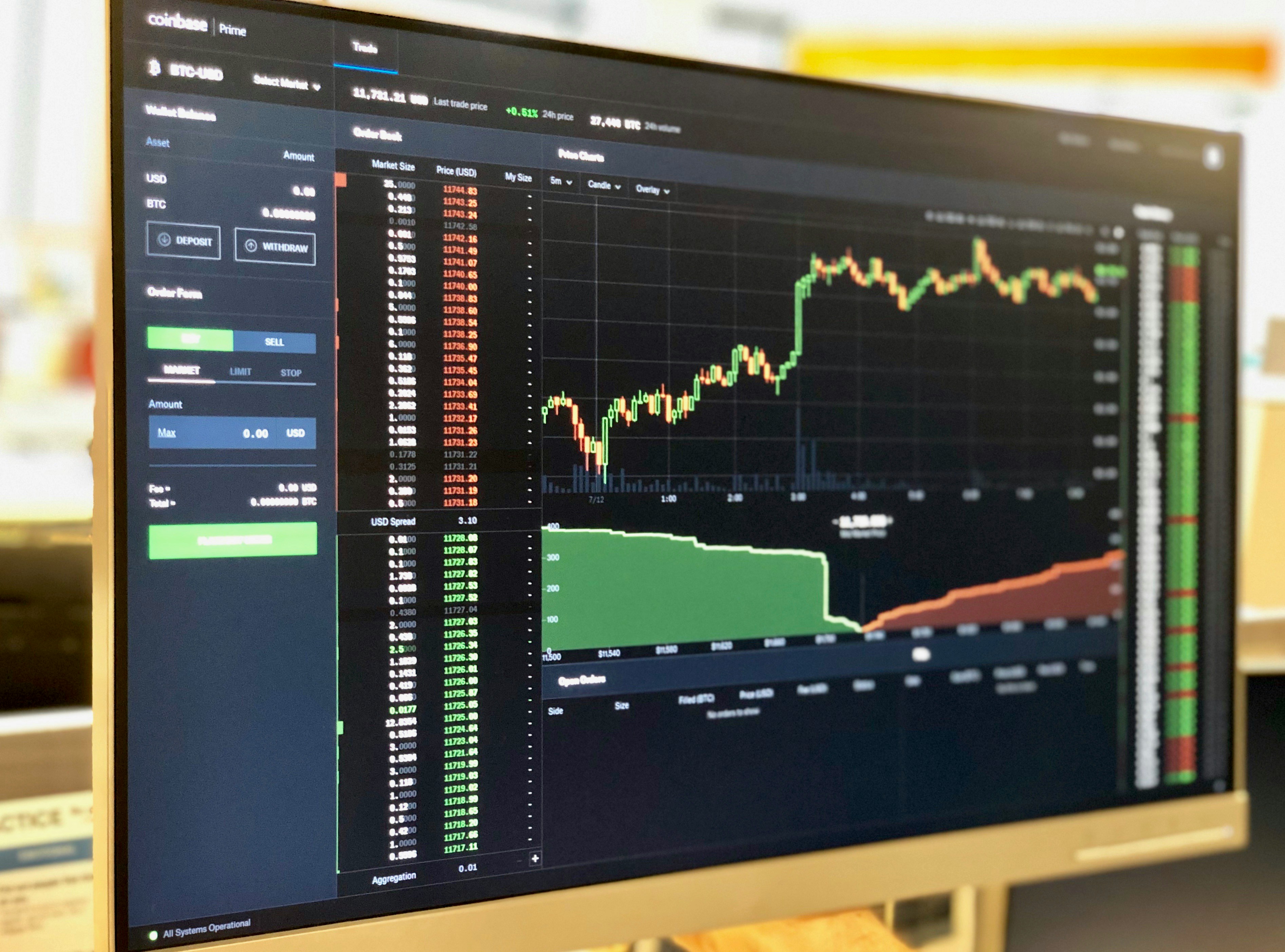
Introduction to BNB and its Significance in Cryptocurrency
BNB, or Binance Coin, is a cryptocurrency that was created by the Binance exchange, one of the largest and most influential cryptocurrency platforms globally. Launched in July 2017 during an initial coin offering (ICO), BNB was initially structured as an ERC-20 token based on the Ethereum blockchain. However, in 2019, Binance launched its own blockchain known as Binance Chain, and BNB was subsequently migrated to this new environment. The primary purpose of BNB is to serve as a utility token for the Binance ecosystem, facilitating a range of activities and promoting the overall network efficiency.
The significance of BNB extends beyond its initial utility as a means of reducing transaction fees on the Binance exchange. Users can leverage BNB to gain discounts on trading fees, which incentivizes higher trading volumes and attracts new users to the platform. This unique feature has contributed to the coin’s increasing desirability and utility within the larger cryptocurrency market. Moreover, BNB is not limited to just trading fee reductions; it is also employed in participating in token sales on the Binance Launchpad, lending and borrowing in Binance’s DeFi offerings, and facilitating transactions on various decentralized applications (dApps) built on Binance Smart Chain.
As the cryptocurrency landscape continues to evolve, BNB’s role in decentralized finance (DeFi) applications cannot be overlooked. The token supports smart contracts and provides liquidity to various DeFi platforms, underlining its versatility within the broader blockchain infrastructure. With a diversified range of use cases and increasing adoption, BNB is becoming an essential component of the ever-growing cryptocurrency ecosystem, firmly establishing itself as a critical asset for traders, investors, and developers alike.
Current BNB Price Overview (As of October 20, 2025)
As of October 20, 2025, the price of BNB stands at approximately $1,103.05 USD. This valuation reflects a significant increase in the cryptocurrency market, especially when comparing BNB with other digital assets. Over the past year, BNB has demonstrated resilience and growth, making it one of the noteworthy players in the cryptocurrency space. The price surge can be attributed to several factors, including market demand, technological advancements, and the overall stability of the Binance ecosystem.
The prevailing market sentiments around BNB indicate a growing trust from investors, aided by the continuous expansion of Binance’s services and features. The incorporation of advanced trading tools and increased user accessibility has fostered a conducive environment for trading and investing in BNB. Furthermore, as regulatory clarity improves in several jurisdictions, confidence in BNB has strengthened, positioning it favorably among its peers.
Additionally, BNB benefits from its use cases beyond just trading on the Binance exchange. The coin’s utility extends to transaction fee discounts, participation in token sales on the Binance Launchpad, and various DeFi applications, which has solidified its adoption across different sectors. In comparison to other cryptocurrencies, such as Bitcoin and Ethereum, BNB has shown substantial stability and growth potential, making it a valuable asset in diversified portfolios.
In light of recent developments, market analysts project that BNB’s price trajectory may continue to demonstrate positive momentum. With a market capitalization that places it among the top-tier cryptocurrencies, BNB is poised to attract further investment, which could support future price increases. The combination of a solid technological foundation and strategic market positioning will play a crucial role in BNB’s performance moving forward.
Historical Price Trends of BNB
BNB, or Binance Coin, has experienced noteworthy price fluctuations since its inception in 2017. Initially, BNB was launched at a modest price of around $0.10, primarily serving as a utility token for the Binance exchange. As Binance rapidly gained traction, the demand for BNB grew, leading to a remarkable surge in its price, which reached approximately $25 by early 2018. This increase was largely driven by the initial coin offering (ICO) frenzy, where cryptocurrency prices soared due to speculative trading.
The subsequent months saw a more volatile period for BNB as part of the broader cryptocurrency market correction. By the end of 2018, BNB’s price dipped to about $6, paralleling the overall decline in cryptocurrency valuations. However, significant events—such as the introduction of token burns by Binance, which aimed to reduce supply—helped stabilize and increase BNB’s price in the following years.
In 2020, BNB began its remarkable recovery, propelled by the burgeoning decentralized finance (DeFi) movement and the expansion of Binance’s services. By the end of 2020, BNB had soared to around $37. This upward trajectory continued into 2021, where BNB reached an all-time high of approximately $690 in May, supported by favorable market conditions and user adoption. The increase was not only influenced by its utility but also due to key partnerships and Binance Smart Chain’s growing popularity.
By late 2022 and into 2023, BNB experienced fluctuations, impacted by regulatory guidelines affecting the cryptocurrency landscape and market dynamics. Comparatively, BNB’s price trends reflect broader themes within the cryptocurrency market—namely its susceptibility to market sentiment and regulatory news, underscoring the complex interplay between technological advancement and investor behavior. Understanding these historical price movements provides insight into potential future trends for BNB in the evolving crypto landscape.
Factors Influencing BNB’s Current Price
The price of BNB, the native cryptocurrency of the Binance exchange, is influenced by a multitude of factors that intertwine to shape market dynamics. One pivotal factor is market sentiment, which encompasses investor perceptions and emotions regarding the asset. When optimism prevails, trading activity tends to surge, propelling the price upward. Conversely, negative sentiment can lead to significant declines, as traders exit their positions to mitigate perceived risks.
Another critical element is trading volume. High trading volumes often indicate robust market activity, which can support or enhance BNB’s price stability. Increased liquidity typically draws more participants to the market, creating a self-reinforcing cycle of trading that may elevate prices. In contrast, low volume may lead to higher volatility, as even minor trade movements can disproportionately affect price levels.
Global economic conditions also play a significant role in influencing cryptocurrency prices, including BNB. Macroeconomic indicators such as inflation rates, interest rates, and geopolitical events can create an environment of uncertainty or optimism impacting the broader financial markets. Consequently, these factors can indirectly reverberate through to the cryptocurrency market, affecting BNB’s price dynamics.
The performance of Binance as an exchange is another contributing factor. As one of the largest cryptocurrency exchanges globally, its operational effectiveness, security measures, and user engagement directly influence BNB’s perceived value. Positive developments, such as increased user activity or strategic partnerships, generally have an uplifting effect on BNB’s price.
Lastly, the presence of institutional investments cannot be overlooked. Institutional adoption signifies confidence in the cryptocurrency market and can lead to increased demand and price appreciation for BNB. The interplay of these factors ultimately determines BNB’s current price and prospects, reflecting the complexities of the cryptocurrency market at large.
Technical Analysis of BNB Price Movements
The technical analysis of BNB price movements involves scrutinizing various price indicators and trading patterns to elucidate its current trajectory and potential future trends. One of the key techniques employed in this analysis is the examination of moving averages, which help smooth out price data over a specified period, thus providing a clearer picture of the asset’s trend direction. For BNB, short-term moving averages can indicate immediate price momentum, while long-term moving averages offer insights into the prevailing trend over extended periods.
Support and resistance levels are also critical components in analyzing BNB’s price movements. Support levels act as a price floor, where buying interest tends to be strong enough to prevent further declines, while resistance levels represent a ceiling where selling pressure typically overcomes buying momentum. By identifying these key levels, traders can make more informed decisions about entry and exit points. For instance, if BNB consistently bounces off a certain support level, it may indicate a robust bullish sentiment, while repeated failures to break through resistance might suggest a bearish outlook.
Additionally, important trading patterns, such as head and shoulders, double tops, and triangles, can provide significant insights into potential future price movements. These formations, derived from historical price data, help analysts forecast upcoming trends based on past behaviors. In particular, the BNB price chart may showcase different patterns that signal potential reversals or continuation of the current trend. Overall, conducting a thorough technical analysis of BNB price movements enables traders and investors to develop a strategic approach in navigating the volatile cryptocurrency market and enhance their potential for achieving favorable outcomes.
Comparative Analysis with Other Major Cryptocurrencies
In the rapidly evolving landscape of cryptocurrencies, a comparative analysis of BNB against major players like Bitcoin (BTC) and Ethereum (ETH) reveals critical insights into its positioning and performance. BNB, the native token of the Binance ecosystem, has shown remarkable resilience and adaptability amidst varying market conditions, primarily driven by its utility within the Binance exchange and its growing applicability in decentralized finance (DeFi).
Bitcoin, as the first cryptocurrency, often serves as the benchmark against which all other cryptocurrencies are measured. Its market dominance, largely maintained through its substantial adoption and liquidity, tends to overshadow other cryptocurrencies, including BNB. In recent months, while BTC experiences significant volatility influenced by macroeconomic factors, BNB has demonstrated a relatively stable price trajectory due to the steady increase in Binance Smart Chain’s transaction volume and utility. This relative stability can be attributed to BNB’s role in transaction fee payments and yield farming within the DeFi space.
Ethereum, on the other hand, represents the second-largest crypto asset market cap and has been at the forefront of smart contract implementations. BNB, with its capacity to interact with Ethereum’s decentralized applications, has carved out a niche that showcases its potential for growth. The rise of Ethereum 2.0 has led to increased competition; however, BNB maintains a strong position due to unique features such as token burns and its potential for rapid network transactions. Additionally, as DeFi applications continue to grow, both Ethereum and Binance Smart Chain stand to benefit significantly, yet the comparative advantages provided by BNB’s unique ecosystem may offer it a distinctive leverage in the market.
In summary, BNB is positioned competitively when compared to leading cryptocurrencies like Bitcoin and Ethereum. While each cryptocurrency possesses distinct characteristics and vulnerabilities, BNB exhibits a notable capacity for utility and growth within the broader crypto market landscape.
Future Price Predictions for BNB
The future price predictions for BNB (Binance Coin) are a topic of considerable interest among investors and market analysts. As the cryptocurrency landscape continues to evolve, several factors will influence the price trajectory of BNB. Current trends and historical data suggest a complex interplay of market dynamics that could lead to various outcomes for BNB’s valuation.
Optimistically, proponents of BNB argue that continued developments within the Binance ecosystem, including the expansion of decentralized finance (DeFi) services and the introduction of new products, might drive demand for the coin. A robust user experience and increased adoption could potentially bolster BNB’s price. Additionally, institutional interest in cryptocurrencies could enhance market stability and encourage long-term investment in BNB, resulting in bullish price projections.
However, the cryptocurrency market is notoriously volatile, and pessimistic forecasts cannot be overlooked. Factors such as regulatory scrutiny, market manipulation, or unfavorable economic conditions could negatively affect BNB’s price. If the wider cryptocurrency market experiences a downturn, BNB may also suffer, particularly if investor sentiment shifts towards traditional assets or away from speculative investments. Moreover, increased competition from emerging cryptocurrencies could challenge BNB’s market position, leading to lower price projections.
Market analysts employ various scenarios to project BNB’s future, considering both technological advancements and potential risks. While the optimistic view highlights the possibility of BNB exceeding previous all-time highs, the pessimistic perspective warns of possible price corrections stemming from broader market unpredictability. Ultimately, investors must remain vigilant and consider ongoing developments within the cryptocurrency sector as they evaluate BNB’s future price potential.
The Role of BNB in Decentralized Finance Ecosystem
BNB, the native cryptocurrency of the Binance Smart Chain (BSC), plays an integral role in the decentralized finance (DeFi) ecosystem. As DeFi continues to gain traction, BNB’s utility within various platforms has become increasingly significant. One of the primary functions of BNB in the DeFi space is its use for transaction fees. Users leveraging the BSC for decentralized applications (dApps) can use BNB to pay for gas fees, often at a lower cost compared to transactions on Ethereum, thereby enhancing the overall accessibility of DeFi services.
Moreover, BNB is utilized as collateral in several lending platforms, which allows users to secure loans against their BNB holdings. This feature not only increases liquidity for BNB holders but also contributes to the token’s demand within the market. Additionally, Binance’s various DeFi projects, such as yield farming and liquidity mining, often incentivize users with BNB rewards, thereby promoting its use and fostering community engagement. By participating in these activities, users can generate passive income, further enhancing their investment portfolios.
As trends in DeFi evolve, the reliance on BNB is poised to grow. A significant factor influencing BNB’s future price is the increasing popularity of DeFi protocols, which rely on the Binance Smart Chain infrastructure. If BSC continues to attract more users and developers, the enhanced utility and economic activities surrounding BNB could lead to greater price stability and growth. Furthermore, as the DeFi landscape becomes more competitive, BNB’s distinct advantages, such as lower transaction fees and rapid transaction speeds, are likely to attract further adoption.
Conclusion: What to Expect Moving Forward
As we analyze the current status and future projections of BNB, it is evident that several factors contribute to its price trends. The historical performance of BNB along with recent market developments reveals a cryptocurrency that is subject to the full range of volatility characteristic of the broader digital asset landscape. Factors such as regulatory changes, technological advancements, and overall market sentiment continue to play pivotal roles in influencing the value of BNB.
Looking ahead, potential investors and enthusiasts must remain vigilant about the evolving landscape of cryptocurrency. With BNB’s integration within the Binance ecosystem, its value is poised to benefit from further utility enhancements and broader adoption across various platforms. Additionally, pending global regulations surrounding cryptocurrencies could significantly affect BNB’s performance and adoption rates. Thus, understanding these dynamics will be crucial for making well-informed investment choices.
Staying updated on market trends is fundamental. Investors should actively seek out credible resources, analyze expert opinions, and examine social influences that could generate shifts in investor sentiment. Along with thorough research, being responsive to market changes will equip investors with the necessary tools to navigate the complexities of cryptocurrency investments.
In consideration of this overall analysis, it is clear that while the paths for BNB may present both challenges and opportunities, informed decision-making based on current trends and insights will ultimately guide investors in their approach. Continuing to monitor BNB’s trajectory and related market conditions is essential for anticipating future movements in its value and for cultivating a sound investment strategy moving forward.