
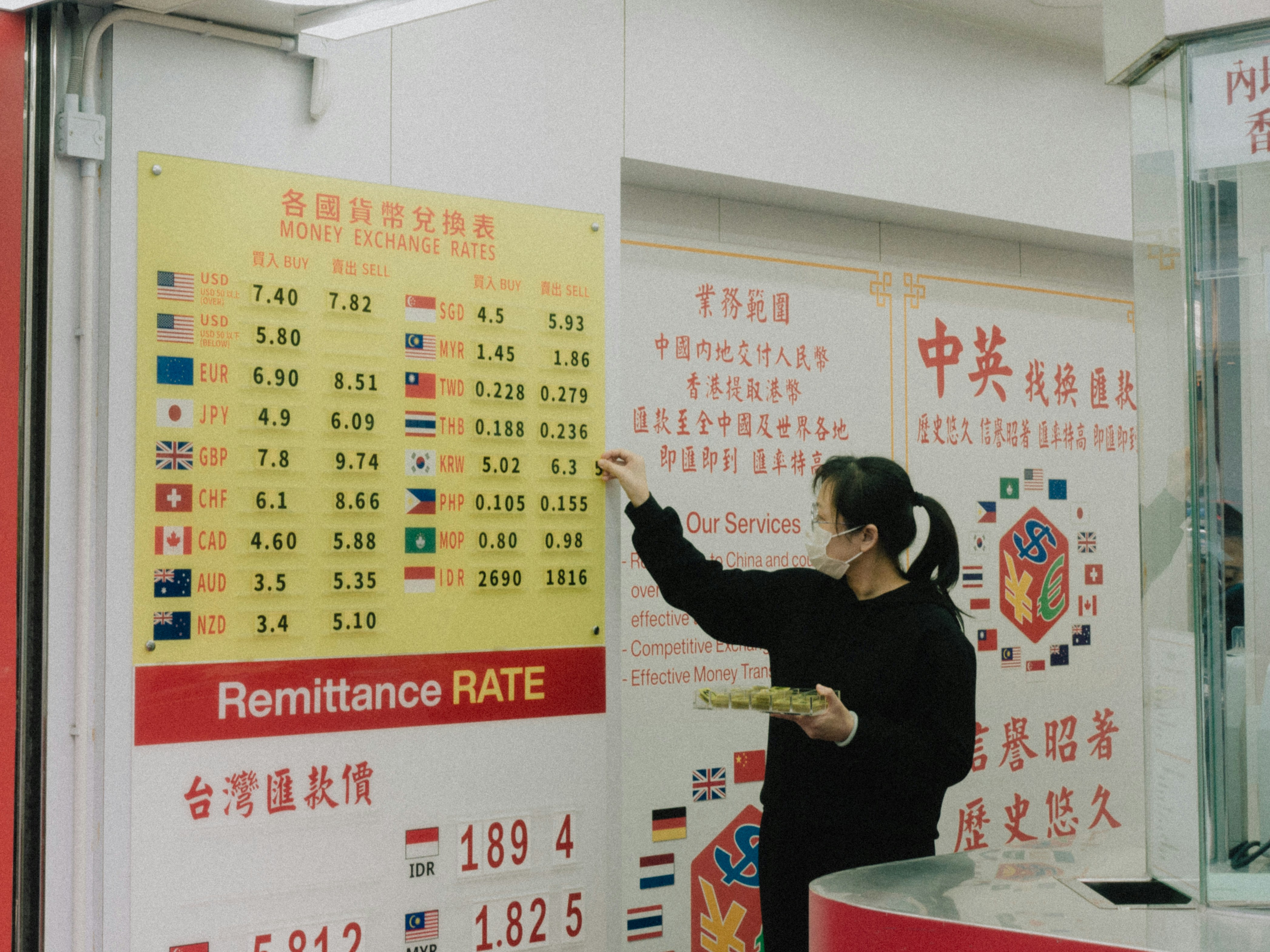
Overview of the USD Price Dynamics
The U.S. dollar (USD) has recently experienced fluctuations that have drawn considerable attention from investors and analysts alike. The USD index, which measures the strength of the dollar against a basket of major currencies, has shown a slight decline, attributed primarily to evolving economic factors. One significant contributor to this dynamic is the ongoing trade discussions between the United States and China. Continuous negotiations, which have both positive and negative implications, create a climate of uncertainty that affects investor sentiment significantly.
As tariffs and trade barriers remain points of contention, fluctuations in these discussions contribute to the volatility observed in the USD price. When negotiations lean towards positive outcomes, the dollar often strengthens as investors gain confidence in the economic stability and growth prospects of the U.S. Conversely, any setbacks or lack of concrete progress can lead to a decrease in the dollar’s value, as uncertainty can prompt investors to seek safer assets. For instance, recent reports indicating stalled negotiations led to a cautious market response, reinforcing the dollar’s decline.
Additionally, the Federal Reserve’s stance on interest rates plays a crucial role in shaping USD dynamics. Market participants closely observe the Fed’s decisions regarding rate hikes or cuts, as these influence the dollar’s attraction among global investors. With current economic indicators suggesting mixed growth, the Fed faces the challenging task of maintaining economic momentum while addressing inflation concerns. Consequently, speculation around future interest rate adjustments can lead to USD volatility, directly impacting its valuation in various currency pairs.
In summary, the recent drop in the USD price can be attributed to a combination of trade uncertainties and the Federal Reserve’s monetary policies. Understanding these interconnected factors is essential for evaluating the broader financial market, as the implications of such fluctuations ripple through global economies. As the situation continues to develop, investors will need to stay informed about these dynamics to navigate the evolving landscape of currency trading.
Impact of U.S.-China Trade Relations
The ongoing U.S.-China trade negotiations have been a significant focal point for financial markets, particularly influencing investor confidence and the value of the U.S. dollar (USD). Recent developments have indicated a mix of cautious optimism and persistent uncertainty regarding the outcomes of these talks. As both nations navigate complex economic ties and interdependencies, the fluctuations in trade rhetoric can lead to substantial shifts in market sentiment. Positive statements from trade representatives have historically boosted expectations of a successful resolution, often resulting in a movement away from the USD as investors seek alternative assets.
For instance, when negotiations appear to align towards a favorable agreement, equity markets tend to respond positively, while the demand for the USD may decline. This is primarily due to the appetite for riskier assets increasing; investors may feel more secure in equities or other currencies perceived as less volatile. Conversely, any hint of rivalry or discontent can swiftly reverse this trend, creating a sense of urgency among investors to revert their portfolios towards the USD for safety. The psychological aspect of trading, particularly related to U.S.-China relations, cannot be underestimated, as market participants often react to sentiment more than hard data.
Investor Reactions and Market Sentiment
Recent developments concerning trade negotiations between the United States and China have significantly influenced investor sentiment and market dynamics. The prospect of reaching a deal has led to a renewed sense of optimism among traders, prompting shifts in trading patterns and strategic reallocations within investment portfolios. Investors are closely monitoring any signs that could suggest a thawing of tensions, as this could have immediate and far-reaching implications for market prices, especially the USD.
As negotiations progress, there is a notable shift in investment strategies. Many market participants are favoring riskier assets, reflecting their belief in a positive resolution to U.S.-China trade talks. This transition often leads to increased buying pressure on equities and emerging markets, indicating a preference for growth over safe havens like gold and treasury bonds. Moreover, sectors such as technology and consumer goods are receiving heightened attention due to their sensitivity to trade policies and economic performance in this context.
In addition to trade news, investors are also fixated on the upcoming Federal Reserve interest rate decision. Market behavior reveals that many are anticipating a change in the monetary policy stance, which could either bolster or undermine the USD’s value. Key indicators, including inflation rates, employment data, and economic growth metrics, are being meticulously evaluated to gauge potential Fed actions. Furthermore, comments from Fed officials and upcoming economic reports are under constant scrutiny, as investors seek clues about the central bank’s direction.
Overall, the current market sentiment is characterized by cautious optimism, with many investors prepared to adjust their portfolios based on both trade developments and potential changes in interest rates. As the landscape evolves, forecasting remains challenging, yet a keen eye on changing indicators will be vital for navigating the complexities of these economic events.
The Federal Reserve’s Role and Future Implications
The Federal Reserve plays a crucial role in shaping the economic landscape of the United States, particularly through its monetary policy and interest rate decisions. The value of the US dollar is significantly influenced by these decisions, as interest rates serve as a key factor in determining currency strength. As the Federal Reserve approaches its next meeting, expectations are high regarding potential adjustments in interest rates. Analysts are closely monitoring economic indicators such as inflation, employment rates, and consumer spending to gauge the likelihood of rate changes.
Recent communication from Federal Reserve officials suggests a cautious approach toward future rate adjustments. While some analysts predict a possible increase in interest rates to counter inflation and stabilize economic growth, others argue that the current economic climate may necessitate maintaining low rates to support recovery. The decision-making process is expected to reflect a balance between stimulating the economy and controlling inflationary pressures. Thus, the upcoming Fed meeting will likely be a pivotal moment that could impact the dollar’s value significantly.
The implications of the Federal Reserve’s interest rate decisions extend beyond the immediate effects on the USD. High interest rates can attract foreign investment, which could bolster the dollar, while lower rates might lead to a depreciation of the currency. Additionally, the Fed’s policies can resonate internationally, affecting currency valuations and trade balances in numerous countries. As traders and economists anticipate the outcomes of the Fed meeting, market volatility is expected, which could further influence the dollar’s price in the short term. Understanding these dynamics is essential for market participants as they navigate the potential shifts in the economic landscape.