
Understanding Trump’s Tariff Strategy
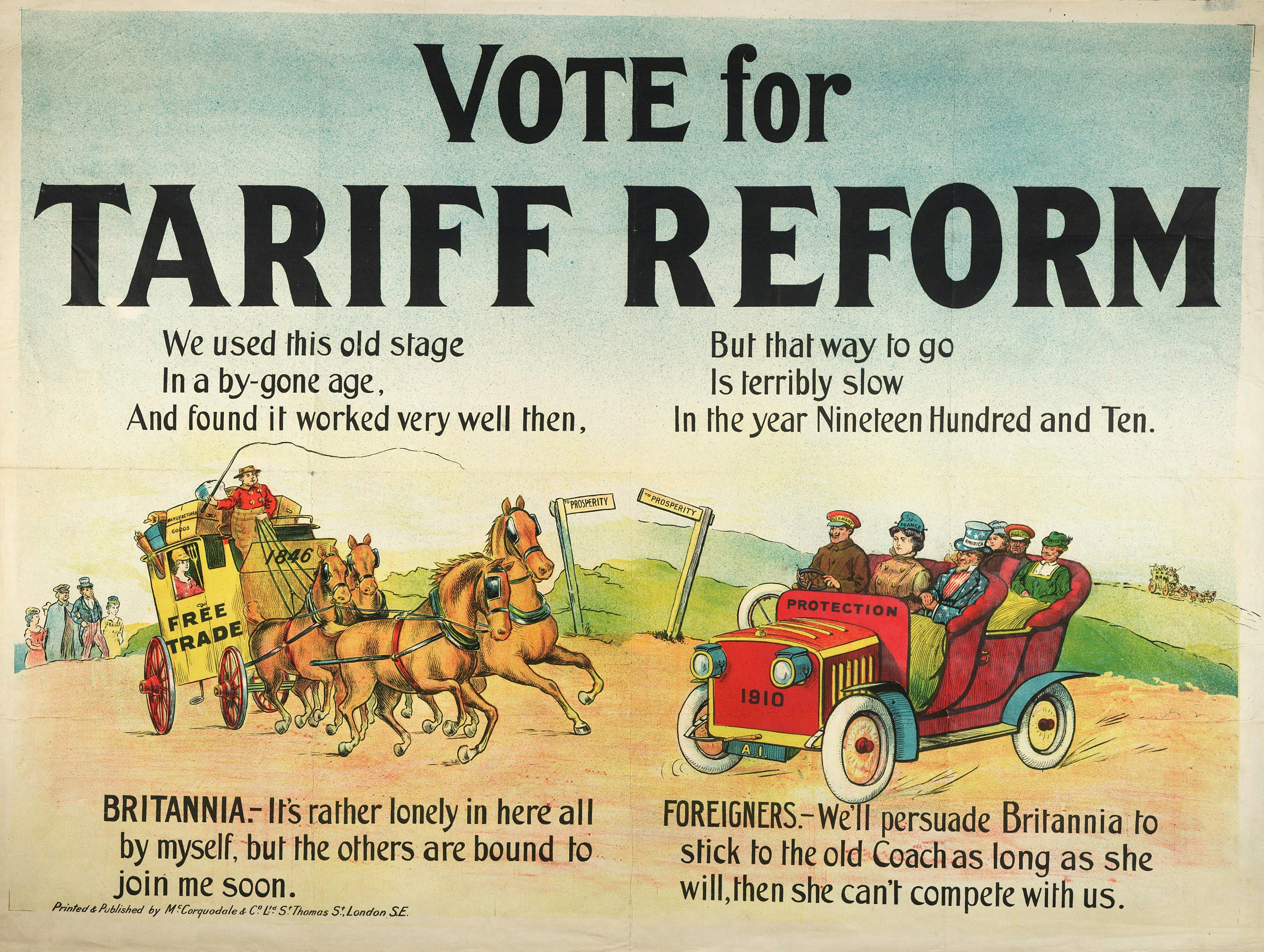
Donald Trump’s tariff strategy has been a central aspect of his economic policies, aimed at reshaping trade dynamics in favor of the United States. The core rationale behind implementing tariffs lies in protecting domestic industries from foreign competition, particularly from nations that are perceived to engage in unfair trade practices. By imposing tariffs on imported goods, the Trump administration intended to encourage American-made products, stimulate job growth, and foster a more competitive economy. This approach aligns with broader Republican principles that emphasize nationalism and economic independence.
The intended economic outcomes of this tariff strategy include a reduction in the trade deficit and the revitalization of manufacturing sectors that had seen a decline over previous decades. Specifically, tariffs on goods from countries like China were justified by allegations of intellectual property theft and currency manipulation. This tactic not only sought to penalize those nations but also aimed to incentivize them to enter into fairer trade agreements, essentially redefining America’s role in global trade.
However, Trump’s tariff implementation has not been without controversy. Critics, including some prominent economists and business leaders, argue that these trade barriers can lead to higher consumer prices and retaliatory measures from other countries. The tariffs on steel and aluminum sparked significant backlash, as many Republicans in manufacturing states warned of jeopardized relationships with allies in the European Union and Canada, which could ultimately harm the very industries the tariffs sought to protect.
Amidst this contentious backdrop, the divided opinions on Trump’s tariffs reflect a broader debate about the long-term sustainability of protectionist measures. While proponents believe that a strong tariff strategy can restore American competitiveness, opponents caution that it might inadvertently stifle growth in interlinked sectors of the economy. Therefore, understanding Trump’s tariff strategy necessitates a nuanced examination of both its economic ambitions and the myriad responses it has evoked.
Republican Concerns: The Impact of Tariffs
As the Trump administration implemented a series of tariffs on various imports, numerous Republican lawmakers and think tanks began expressing significant concerns regarding the potential ramifications of such a strategy. Prominent within these apprehensions is the fear that these tariffs could precipitate an economic downturn. The increase in import duties, particularly on products from key trading partners like China, is believed to raise consumer prices, ultimately burdening American families who may face higher costs for everyday goods.
Furthermore, the implications of tariffs extend beyond immediate consumer costs; they threaten to strain relationships with crucial allies. Historically, the Republican Party has advocated for free trade principles, acknowledging that trade agreements bolster economic growth and international partnerships. However, under Trump’s tariff policies, many party members have voiced fears that these measures could isolate the United States on the global stage, diminishing its economic leverage and diplomatic ties.
This anxiety is not limited to just economic theories; real-world consequences have already begun to emerge in various sectors. Industries reliant on imported materials, such as construction and manufacturing, have reported increased operational costs, prompting some businesses to consider reducing their workforce or passing costs onto consumers. Republican leaders and economic experts have cautioned that these outcomes could, in turn, impact the broader economy and challenge the party’s foundational principles of fostering growth through unfettered trade.
Moreover, the divisive nature of Trump’s tariffs has revealed an ideological split within the Republican Party. While some members rally around protectionist ideals, asserting the need to prioritize American industries, others continue to advocate for free trade as an essential component of economic prosperity. The ongoing debate over tariffs highlights not only the complexity of modern trade policies but also the potential electoral risks for Republicans, as constituents respond to the tangible impacts of tariffs on their daily lives.
Military Preparations: Trump’s Stance on Nigeria
The complex security landscape in Nigeria, characterized by ongoing challenges such as terrorism, armed conflicts, and regional instability, has drawn significant attention from global powers, including the United States. During his presidency, Donald Trump emphasized a strong military readiness in response to security threats emanating from Nigeria. In particular, his administration focused on the activities of Boko Haram and other extremist groups, which posed not only a regional threat but also a potential one for U.S. interests worldwide.
Trump’s statements often underscored the need for a proactive U.S. military presence in Nigeria as part of a broader strategy aimed at stabilizing the region. This military preparedness could involve increased intelligence sharing, as well as potential support for Nigerian forces through training programs and logistical assistance. The aim of these military interventions would arguably align with Trump’s goal of combating terrorism and promoting stability, harnessing military power to deter further violence.
The international community’s reaction to Trump’s military readiness has been mixed. Supporters argue that a robust stance sends a clear message to both adversaries and allies about U.S. commitments to fight terrorism. However, critics voice concerns about the implications of military involvement in foreign conflicts. They argue that such actions could inadvertently escalate tensions or lead to military overreach, ignoring the nuanced approach required for effective foreign policy.
Moreover, Trump’s approach has direct implications for U.S.-Nigeria relations. The emphasis on military preparedness suggests an intent to deepen bilateral ties through defense cooperation. However, it must be carefully balanced with diplomatic engagement to ensure a comprehensive approach to Nigeria’s multifaceted security concerns. Ultimately, Trump’s policies regarding military preparations in Nigeria reflect broader themes in his foreign policy, characterized by an assertive posture aimed at safeguarding U.S. interests while navigating complex international dynamics.
Balancing Act: Tariffs and Military Policy in Trump’s Agenda
During Donald Trump’s presidency, his administration implemented a distinct strategy that intertwined economic and military policies, reflecting a coherent vision for America’s role on the global stage. Central to this strategy was the imposition of tariffs, aimed at protecting American industries and reshaping trade relationships. The tariffs represented not just an economic policy, but also a tool for asserting national sovereignty. Trump’s supporters often hailed these measures as a return to prioritizing American interests, which resonated deeply with his voter base, especially those in manufacturing sectors adversely affected by globalization.
Simultaneously, Trump prioritized military preparedness as a cornerstone of his administration’s agenda. Increased defense spending was promoted as essential for maintaining national security and projecting American power abroad. The alignment of military readiness with economic policies underscores a belief that economic strength enhances national security. This philosophy prompted a more aggressive posture in foreign relations, with tariffs serving as a point of leverage against nations that Trump deemed unfair in trade practices.
However, these intersecting policies presented significant challenges. For instance, while tariffs aimed to rejuvenate American manufacturing, they often sparked trade tensions that could ultimately harm the economy. The backlash from allies and trading partners sometimes undermined the very objectives Trump sought to achieve. Furthermore, the military expansion required funding that could exacerbate budgetary constraints, raising questions about the long-term sustainability of such policies.
As the political landscape evolves, the interplay between tariffs and military policy will continue to shape America’s global positioning. The future direction of these policies will depend on various factors, including international relations, economic conditions, and the priorities of subsequent administrations. Thus, understanding this balancing act is crucial for comprehending Trump’s broader agenda and its potential legacy on both domestic and international fronts.
You might also like:
- Experience the Magic of the Wanamaker Light Show in Philadelphia on December 10, 2025
- Understanding the Colombian Peso: History, Features, and Current Context
- The Ongoing Humanitarian Crisis: A Closer Look at Heavy Casualties in Sri Lanka and Indonesia
- Understanding the Recent Bitcoin ETF Outflows
- Malaysia’s Football Naturalization Scandal: Uncovering the Truth