
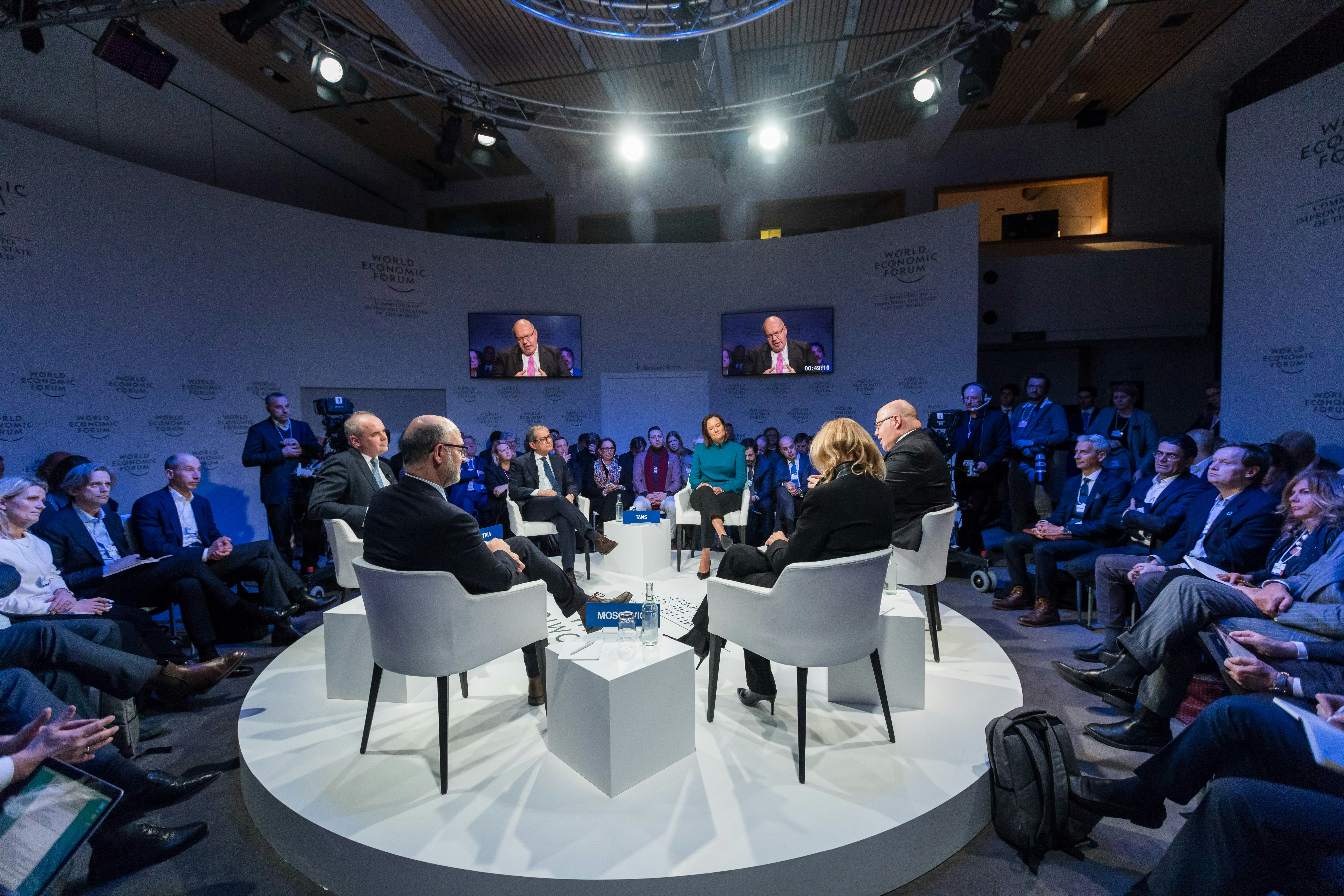
Overview of the 2025 APEC Summit
The 2025 APEC Summit, set to take place in South Korea, is poised to be a significant milestone for cooperation among the Pacific Rim countries. As the Asia-Pacific Economic Cooperation (APEC) forum gathers member economies, it will provide an essential platform for dialogues aimed at fostering bilateral and multilateral relations. This summit is expected to not only address pressing regional issues but also reinforce commitments to economic growth, innovation, and trade liberalization.
The significance of the APEC Summit goes beyond mere discussions; it symbolizes the collaborative efforts of member nations to create a sustainable economic environment in the region. The themes that will be highlighted during the summit include enhancing economic resilience, improving trade relations, and fostering technological collaboration. In today’s rapidly changing global landscape, these areas are increasingly critical to ensure long-term growth and stability. Participants will engage in constructive dialogues that focus on creating opportunities while addressing challenges faced by their economies.
One of the main objectives of the 2025 Summit will be to strategize on inclusive trade and investment, which aims to benefit all member economies. The summit will showcase initiatives designed to promote digital economy growth and provide equitable access to emerging technologies. Furthermore, targeted discussions on sustainable economic practices are anticipated, reflecting APEC’s commitment to addressing climate change and encouraging green technologies.
In essence, the 2025 APEC Summit in South Korea serves as a pivotal opportunity for member countries to unite in their dedication to advancing collective interests and enhancing prosperity within the Asia-Pacific region. The outcomes of this summit will likely shape the trajectory of macroeconomic policies and trade initiatives, fostering a more interconnected and resilient global economy.
Vietnamese President Luong Cuong’s Diplomatic Efforts
Leading up to the 2025 APEC Summit in South Korea, Vietnamese President Luong Cuong has been actively engaged in a series of diplomatic initiatives aimed at solidifying Vietnam’s position within the ASEAN and APEC frameworks. His efforts encompass a wide range of bilateral meetings with other leaders in the region, underlining the significance of cooperation and collaboration among member states. President Cuong’s approach is characterized by a focus on deepening political and economic ties with key regional players.
One of the notable aspects of President Cuong’s agenda includes fostering partnerships that can drive growth and contribute to sustainable development in the region. He has emphasized the importance of aligning Vietnam’s foreign policy objectives with the broader economic goals of APEC, specifically addressing issues such as trade liberalization, economic recovery post-pandemic, and climate change. Through these meetings, President Cuong aims to position Vietnam not only as a participant in regional dialogues but also as an influential player capable of shaping outcomes beneficial to all members.
President Cuong’s diplomatic endeavors are also geared towards enhancing Vietnam’s leadership role within ASEAN and APEC. By strengthening relationships with influential countries such as Japan, South Korea, and Australia, he seeks to create networks that support collective resilience among member states. His initiatives include exploring new opportunities for investment and trade, boosting technology transfer, and addressing global challenges through shared strategies. These efforts reflect Vietnam’s commitment to being an active participant in shaping the future of the Asia-Pacific region.
In essence, President Luong Cuong’s diplomatic efforts set the stage for significant discussions at the upcoming APEC Summit, as Vietnam seeks to leverage its strategic position to advance not only its own interests but also those of its regional partners.
Meeting Between Vietnamese President Luong Cuong and Chinese President Xi Jinping
The bilateral meeting between Vietnamese President Luong Cuong and Chinese President Xi Jinping during the APEC Summit in South Korea marked a pivotal moment for the relationship between Vietnam and China. This high-level dialogue aimed to strengthen bilateral ties and address key issues that influence both nations and the broader APEC region. Among the significant topics discussed were trade agreements that seek to enhance economic cooperation, regional security issues, and joint strategies to combat global challenges.
Trade has always been a cornerstone of the relationship between Vietnam and China, and President Cuong’s discussions with President Jinping centered on revitalizing and expanding existing trade agreements. This engagement is viewed as essential for the economic growth of both countries, especially in light of the increasing competition and uncertainties in the global market. The leaders explored avenues to facilitate smoother trade flows, reduce tariffs, and encourage investment, thereby reinforcing the economic ties that bind them.
Furthermore, regional security emerged as another critical topic during their talks. Both leaders expressed concerns about maintaining peace and stability in the Asia-Pacific region, particularly amid rising tensions in neighboring territories. The meeting emphasized the importance of cooperation in addressing security challenges, highlighting the necessity of dialogue and collaboration to prevent conflicts and ensure regional stability.
Additionally, the discussions included cooperative measures to respond to global challenges, particularly in the context of climate change and public health. The leaders acknowledged the urgent need for joint initiatives that tackle these issues, representing a mutual commitment to working together not only for bilateral benefit but also for the broader APEC community. The outcomes of this significant meeting are expected to positively influence Vietnam-China relations and contribute to a more stable and cooperative regional environment.
Impact of APEC Sideline Activities on Regional Relations
The sideline activities associated with the APEC Summit play a significant role in shaping the intricate web of relationships among member countries. These informal gatherings serve as a platform for leaders and officials to engage in dialogue outside the constraints of the formal agenda, fostering a conducive environment for relationship building. By allowing for more relaxed interactions, these activities can lead to deeper understanding and enhance interpersonal connections between nations, which is crucial in a region characterized by diverse political and economic landscapes.
Moreover, APEC sideline activities contribute to conflict resolution by providing a venue for countries to address grievances and tensions in a less formal setting. Through direct communication, member states can work towards identifying common interests and pursuing collaborative solutions that may not surface in more structured negotiations. Such interactions are essential, particularly in a region where historical disputes and territorial issues exist.
Additionally, these interactions often pave the way for establishing collaborative frameworks in critical areas such as trade, environment, and security. For instance, initiatives that emerge from these informal discussions can lead to multilateral agreements or partnerships aimed at addressing regional challenges, such as climate change or economic instability. This collaborative spirit fosters a sense of community among member countries, reinforcing the idea that collective action is necessary for mutual benefit.
In summary, sideline activities during the APEC Summit are instrumental in enhancing regional relations among member nations. By promoting dialogue, facilitating conflict resolution, and encouraging collaboration, these informal gatherings contribute to the overall stability and prosperity of the Asia-Pacific region. The significance of such activities extends beyond the immediate objectives of the summit, reinforcing the importance of ongoing partnerships and communication amongst diverse nations.