
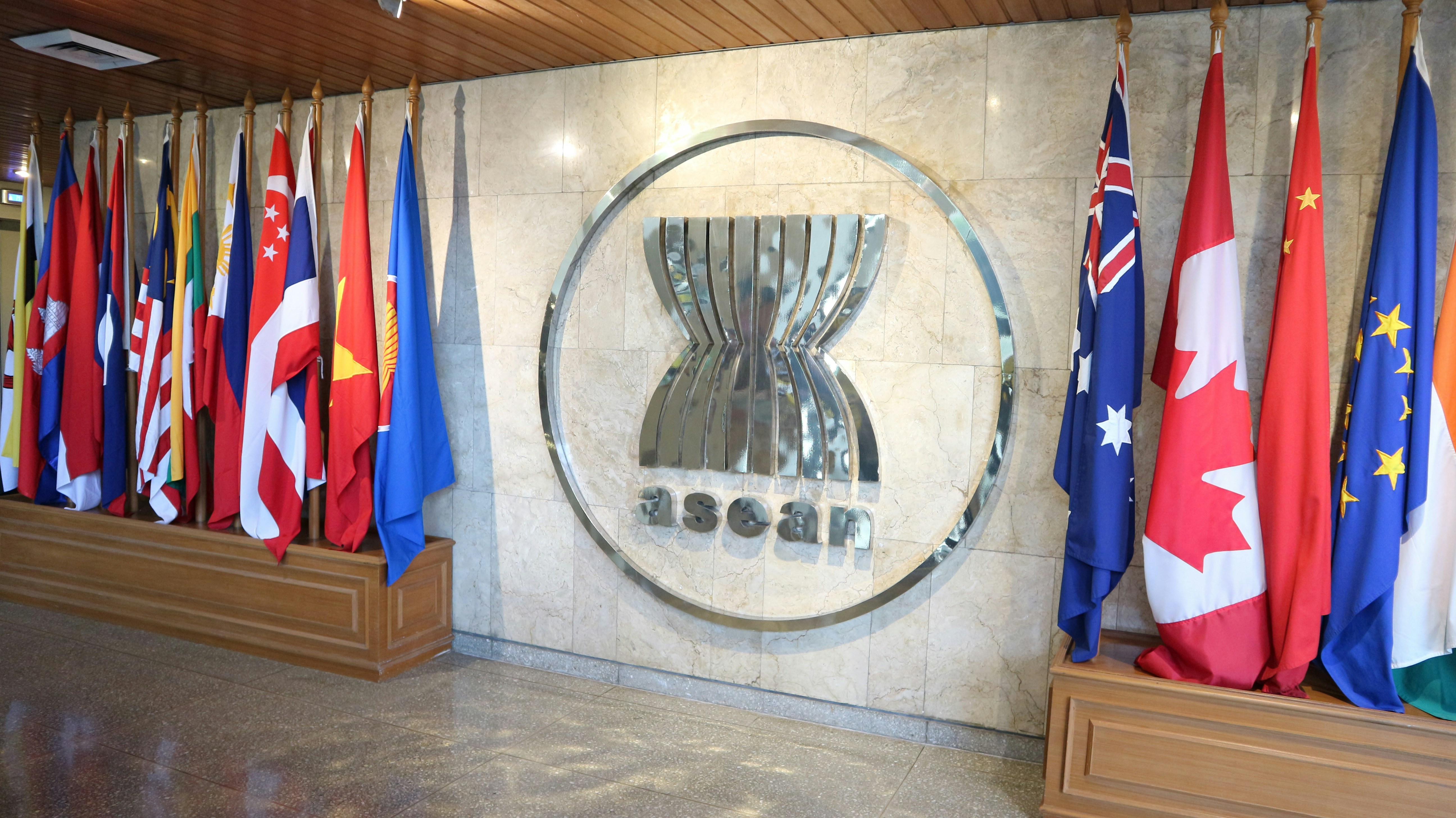
Introduction to the ASEAN Summit
The ASEAN Summit stands as a pillar of diplomatic engagement and cooperation among Southeast Asian nations. Established to foster regional stability and encourage economic integration, the summit serves as an essential platform for dialogue and collaboration among the ten member countries of the Association of Southeast Asian Nations (ASEAN). Since its inception in 1967, the ASEAN Summit has evolved significantly, shifting from a focus on peace and security to encompass a broader agenda that includes economic development, human rights, and environmental sustainability.
Throughout its history, the summit has addressed various pressing issues affecting Southeast Asia, such as trade agreements, political conflicts, and communal challenges including natural disasters and climate change. The regular meeting of heads of state and government provides a crucial forum where leaders can negotiate resolutions, coordinate policies, and fortify relationships. This collective decision-making process is instrumental in shaping a cooperative regional order, which not only benefits the member nations but also enhances their global standing.
The 47th ASEAN Summit, held in Malaysia, marked another milestone in this ongoing commitment to regional collaboration. It played a vital role in addressing contemporary challenges and has been pivotal in fostering partnerships beyond the traditional boundaries of political discourse. As we delve deeper into the notable events and outcomes of this historic summit, it is vital to acknowledge the foundational principles that have guided ASEAN’s journey—peace, stability, and mutual respect among the nations of Southeast Asia. Through this backdrop, the significance of the ASEAN Summit continues to resonate, driving the collective aspirations of member states towards shared growth and development.
Timor-Leste: The New Member of ASEAN
The recent accession of Timor-Leste as the 11th member of the Association of Southeast Asian Nations (ASEAN) marks a significant milestone in the organization’s history. Timor-Leste, officially known as the Democratic Republic of Timor-Leste, has demonstrated a strong commitment to the principles and values upheld by ASEAN since its independence from Indonesia in 2002. This membership serves not only as recognition of its development efforts but also reinforces ASEAN’s philosophy of inclusivity.
To earn membership within ASEAN, countries must meet specific criteria encompassing political, economic, and cultural dimensions. Candidates are expected to uphold democracy, respect for human rights, and adherence to the rule of law. Timor-Leste’s application, submitted in 2011, showcased its commitment to these principles through various reforms aimed at strengthening its democratic institutions, enhancing regional security, and fostering economic sustainability.
The acceptance process involved considerations by existing ASEAN members. Timor-Leste underwent an extensive evaluation that assessed its readiness to integrate into ASEAN’s framework, taking into account its socio-political stability and a viable economic foundation for cooperation with other member states. Following years of deliberations and considerable support from fellow ASEAN nations, Timor-Leste’s admission was ratified, emphasizing the Southeast Asian bloc’s dedication to collective growth and solidarity.
The implications of Timor-Leste’s membership extend beyond political representation; it provides opportunities for regional collaboration. The inclusion of Timor-Leste in ASEAN’s regional initiatives could lead to economic integration and development assistance tailored to its unique challenges and aspirations. This expansion signifies a broader commitment to advancing ASEAN’s core objectives, fostering peace, stability, and prosperity across Southeast Asia.
The 47th ASEAN Summit Highlights
The 47th ASEAN Summit held in Malaysia marked a significant moment for the association, providing member states an opportunity to engage in discussions focused on regional cooperation and development. One of the key highlights was the theme of “Resilient and Sustainable Recovery,” reflecting the collective goals of member countries to address the ongoing challenges posed by the global pandemic and environmental issues. Delegates emphasized the need for a robust framework that promotes economic resilience and sustainability as the region navigates through post-pandemic recovery.
During the summit, leaders collectively agreed on several strategic priorities aimed at strengthening regional collaboration. A notable outcome was the endorsement of the ASEAN Comprehensive Recovery Framework, which outlines a multi-faceted approach to ensure that recovering economies can bounce back effectively. This framework emphasizes the importance of health security, economic revitalization, and socio-cultural resilience, thus reinforcing the notion that a united ASEAN is vital for the region’s advancement.
Additionally, discussions on enhancing digital connectivity were prominent. Leaders recognized that the digital transformation of economies is crucial for the future competitiveness of ASEAN. To this end, member states agreed to initiate policies that promote digital inclusivity, expand digital infrastructure, and enhance cybersecurity measures. These actions reflect ASEAN’s commitment to embracing technological advancements while ensuring equitable access for all member countries.
An important aspect of this summit was the acknowledgement of the ongoing geopolitical uncertainties in the region. Leaders engaged in constructive dialogues about maintaining ASEAN’s central role in regional stability and promoting peace. To foster a collaborative regional environment, initiatives focusing on conflict resolution and diplomatic engagement were prioritized.
The 47th ASEAN Summit, therefore, serves not only as a platform for leaders to discuss vital issues but also as a catalyst for shaping the future direction of ASEAN amidst evolving challenges.
Donald Trump’s Participation in the Summit
The attendance of U.S. President Donald Trump at the ASEAN Summit marked a significant moment in international relations, particularly in the context of U.S.-ASEAN ties. His participation was perceived as a reaffirmation of the United States’ commitment to Southeast Asia, a region of increasing strategic importance. Notably, President Trump aimed to strengthen partnerships with ASEAN nations amidst growing concerns over China’s influence in the area.
During the summit, President Trump delivered several key speeches that highlighted the importance of economic cooperation and security collaboration among the ASEAN member states. He emphasized the vision of a free and open Indo-Pacific, insisting that prosperity could be achieved through mutual respect and shared values. His remarks resonated with many leaders who are grappling with the complexities of regional dynamics, particularly concerning trade and maritime security.
In addition to public addresses, President Trump held bilateral meetings with various leaders from ASEAN countries. These meetings served to address specific issues ranging from trade agreements to counterterrorism efforts. Notably, discussions revolved around enhancing economic ties and addressing regional security challenges, including North Korea’s nuclear ambitions and the threat of extremist groups in the region.
The broader context of American involvement in Southeast Asia cannot be overlooked. President Trump’s participation was viewed as a mechanism to pivot the U.S. strategy back towards Asia, particularly following critiques of previous administrations’ engagement levels. The emphasis on direct dialogue and cooperation underlined a commitment to maintaining influence in a region that is crucial for global trade and geopolitical stability. Overall, Trump’s attendance at the ASEAN Summit showcased not only an intention to forge stronger relationships but also reflected the U.S.’s strategic recalibration in a rapidly changing geopolitical landscape.
Thailand and Cambodia: A New Era of Peace
The recent peace agreement signed between Thailand and Cambodia marks a significant turning point in the relations between these two countries. The ceasefire agreement, finalized under the observation of President Trump, symbolizes a concerted effort to foster stability in a region that has experienced periods of tension. Historically, Thailand and Cambodia have had tumultuous interactions, often revolving around territorial disputes and cultural disparities. However, this groundbreaking agreement reflects an evolution in diplomacy, prioritizing collaboration over conflict.
The ceasefire brings together various components aimed at resolving longstanding grievances, establishing protocols for incident management, and encouraging joint economic initiatives. Notably, both nations have agreed to commit to a framework that discourages provocative military activities along their shared border, which has been a source of repeated clashes in the past. This framework not only emphasizes the necessity of dialogue but also underscores the importance of trust-building measures—essential ingredients for lasting peace.
The historical context of this agreement cannot be overlooked. The prior hostilities have left deep scars in the memories of both nations, making this pact a monumental shift towards reconciliation. The involvement of international leaders, particularly President Trump, signifies a broader interest in maintaining regional harmony. This strategic partnership serves as a beacon of hope for ASEAN, reinforcing the organization’s mission to foster unity and prosperity among Southeast Asian nations.
The implications of this ceasefire extend beyond mere diplomatic relations; the potential for increased trade, tourism, and cultural exchange stands to benefit both Thailand and Cambodia. As both countries navigate this new era of peace, their enhanced bilateral relations could become a model for conflict resolution in the region, setting a precedent for other ASEAN member states facing similar challenges.
The Impact of Timor-Leste on ASEAN Dynamics
Timor-Leste’s accession to the Association of Southeast Asian Nations (ASEAN) heralds a significant transformation within the regional bloc. As the newest member, Timor-Leste brings forward unique socio-political paradigms and developmental experiences that may alter the dynamics of ASEAN considerably. This integration offers avenues for policy re-evaluation and collaborative opportunities among existing member states.
The addition of Timor-Leste is poised to reshape ASEAN’s policy direction in several sectors. Given Timor-Leste’s focus on nation-building and post-conflict recovery, member states may adapt their policies to incorporate strategies that are sensitive to emerging democracies. This could facilitate the incorporation of inclusive governance models, human rights promotion, and sustainable economic practices into the ASEAN framework, reflecting a diverse range of governance styles and developmental priorities.
Moreover, the integration of Timor-Leste could enhance regional cooperation on issues relevant to development and security. Its geographic positioning and demographic characteristics may prompt ASEAN to focus more on maritime security and resource management in the waters surrounding the archipelago. Timor-Leste’s presence could lead to new dialogues on climate change and environmental sustainability, as it is one of the nations most vulnerable to these challenges.
Furthermore, Timor-Leste’s unique cultural perspectives may enrich ASEAN’s collaborative spirit. Having emerged from years of struggle, its experiences with grassroots movements in fostering social cohesion and resilience could provide valuable insights to other member states. By leveraging these insights, ASEAN could reinforce regional identity and solidarity, making it more adaptable in responding to global shifts.
In essence, Timor-Leste is not merely a new member of ASEAN; its accession is a strategic addition that could guide the organization’s future trajectory toward greater inclusivity and mutual understanding among diverse Southeast Asian nations.
Challenges and Opportunities Ahead for ASEAN
The Association of Southeast Asian Nations (ASEAN) faces a multitude of challenges that shape its trajectory as a regional bloc. One significant issue is the enduring regional tensions among member states. Disputes over territorial claims, particularly in the South China Sea, highlight the need for diplomatic engagement and conflict resolution mechanisms. These tensions can potentially undermine regional stability and cooperation, affecting economic and political relations within the bloc.
Moreover, economic disparities among ASEAN member countries present both challenges and opportunities. While nations like Singapore and Malaysia boast robust economies, others remain developing, grappling with poverty and underemployment. This economic divide can create a varying landscape for investment and trade, necessitating policies that promote inclusive growth. ASEAN has the potential to foster economic collaboration through initiatives like the ASEAN Economic Community, which aims to enhance economic integration and reduce barriers to trade. By addressing these disparities, ASEAN can harness the collective strength of its member states.
Political instability in certain member states further complicates ASEAN’s agenda. The internal political dynamics and governance issues can lead to uneven participation in regional initiatives. Nevertheless, this opens doors for new partnerships and collaborations. The inclusion of new member states can inject fresh perspectives into ASEAN’s policy-making processes and provide opportunities to engage with external partners global partners, further enhancing the region’s geopolitical significance.
In navigating these challenges, ASEAN can develop strategies to promote peace, stability, and prosperity in the region. By reinforcing a commitment to dialogue and cooperation, member states can leverage opportunities posed by a diverse membership. This approach not only strengthens ASEAN’s collective voice on the global stage but also fosters a more integrated and resilient region.
Global Reactions to the ASEAN Summit
The ASEAN Summit held in Malaysia drew considerable attention from global leaders and international organizations, highlighting the significance of the event on a larger diplomatic scale. Leaders from various nations expressed their viewpoints regarding ASEAN’s efforts to foster regional stability, economic collaboration, and humanitarian support among member countries. Prominent figures affirmed their commitment to ASEAN’s objectives and recognized the collective efforts aimed at addressing pressing regional challenges.
Media coverage from non-member countries demonstrated a keen interest in ASEAN’s strategic initiatives, specifically the summit’s discussions on economic integration and security cooperation. This engagement is viewed as pivotal for non-member countries, especially those in the Asia-Pacific region, which seek to strengthen ties with ASEAN as a platform for trade and economic advancement. Coverage emphasized the importance of multilateral frameworks and urged for a cohesive approach towards regional issues, especially in light of evolving global dynamics.
International organizations such as the United Nations and the World Bank also weighed in on the summit’s developments, commending ASEAN for its proactive stance on sustainable development and crisis management. They highlighted the necessity of collaborative frameworks to address climate change, poverty alleviation, and public health crises, reiterating that ASEAN’s unity can serve as an example for other regions. Additionally, these organizations provided support for ongoing dialogues among member states, reinforcing the belief that cooperative efforts are essential for maintaining peace and security within the area.
This spectrum of reactions underscores the summit’s potential ripple effects beyond Southeast Asia, with global audiences closely observing how the summit’s outcomes will influence diplomatic relations and economic strategies in the coming years. As ASEAN continues to navigate its role on the world stage, the reactions from various global entities highlight the narrative of interdependence and the necessity for cooperative engagement in addressing multifaceted challenges.
Conclusion: The Future of ASEAN
The 47th ASEAN Summit held in Malaysia marks a significant milestone in the evolution of the Association of Southeast Asian Nations. It underscored the importance of unity and collaboration among member states amidst a backdrop of regional challenges and global uncertainties. As ASEAN continues to navigate the complexities of economic integration, social stability, and political cohesion, member countries must prioritize collective action and strategic partnerships.
One of the pivotal takeaways from the summit is the recognition of the need for a unified approach in addressing pressing regional issues such as climate change, security threats, and economic disparities. The discussions highlighted the importance of enhanced cooperation in areas such as trade, sustainable development, and technology sharing, which are essential for fostering resilience in the face of ongoing global challenges. As ASEAN looks to the future, its ability to adapt to changing dynamics will determine its effectiveness as a regional bloc.
Moreover, the summit served as a reminder of ASEAN’s influential role in the broader international context. As geopolitical tensions rise, ASEAN must assert its position as a mediator, promoting peace and stability in the region. The organization has the potential to strengthen its diplomatic ties with major global players, facilitating discussions that can lead to sustainable solutions. This is particularly pertinent as member states strive to navigate their relationships with larger powers while ensuring that the interests of Southeast Asia remain central.
In conclusion, the future of ASEAN hinges on its commitment to fostering collaborative frameworks that promote mutual growth and understanding. The strides made at the 47th ASEAN Summit lay the groundwork for a more integrated and resilient region, encouraging member states to work together for a prosperous shared future. The collective journey ahead will necessitate patience, adaptability, and a renewed focus on unity amongst the diverse nations of Southeast Asia.