
Overview of Asian Market Performance
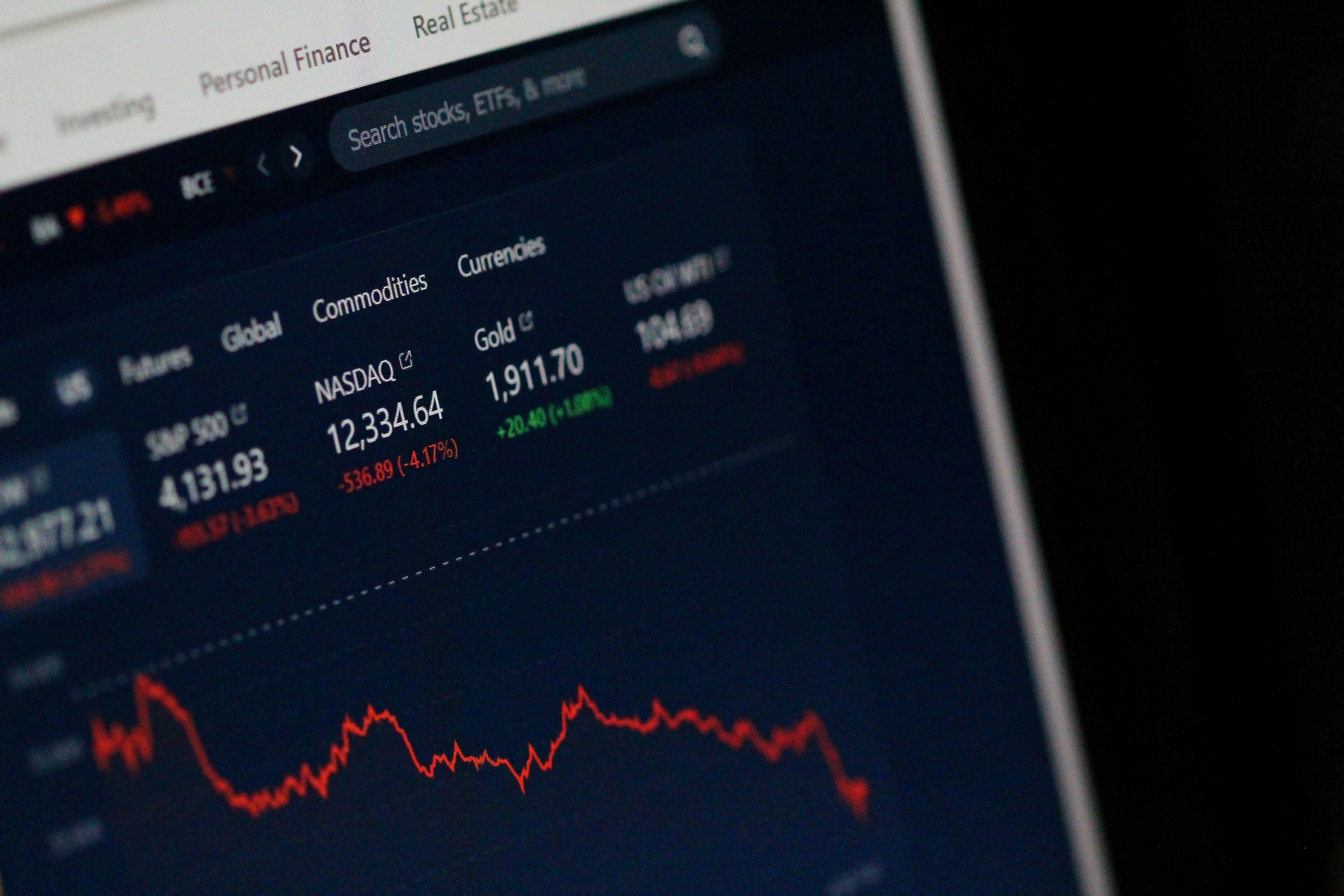
On the day in question, Asian markets displayed a mixed performance, illustrating the divergent trends that characterize the region’s financial landscape. While some indices fell into negative territory, signaling investor caution, others managed to secure gains, reflecting robust economic sentiment in certain sectors. Overall, this divergence indicates a complex interplay of factors influencing trader behavior across various markets.
In Japan, the Nikkei 225 experienced a modest decline, with investors reacting to global economic signals and local corporate earnings reports. This decline was influenced by a combination of profit-taking and uncertainty surrounding the next phase of monetary policy from central banks worldwide. Conversely, the Hong Kong Hang Seng Index demonstrated a significant upward trend, buoyed by gains in technology stocks and a positive outlook for key industries within the market.
Meanwhile, the Shanghai Composite exhibited fluctuating results, oscillating between minor gains and losses throughout the trading session. Analysts attribute this variability to geopolitical tensions affecting investor confidence, alongside ongoing government initiatives aimed at stabilizing the economy. In contrast, the South Korean KOSPI marked a notable increase, as domestic consumption data surpassed expectations, portraying a resilient economic backdrop.
The mixed results observed across these major Asian markets highlight the diversified economic conditions prevailing in the region. Investor sentiment remains fragile, influenced by global developments such as inflation rates, supply chain disruptions, and geopolitical uncertainties. Such fluctuations are critical to understanding broader global market trends and the interconnectedness of regional economies. As traders navigate through these complexities, the performance of Asian markets will continue to serve as an essential barometer for economic health and investor sentiment moving forward.
Detailed Analysis of Major Indices
The Nikkei 225, a key benchmark for Japanese equities, experienced a notable decline, closing down by 1.35%. Analysts attribute this drop to various factors impacting market sentiment, including weak economic data released earlier in the week. Reports indicated that Japan’s manufacturing sector is struggling amid ongoing supply chain issues and a slowdown in global demand. Additionally, geopolitical tensions have contributed to investor caution, with concerns about potential escalations in trade disputes particularly affecting market performance.
In South Korea, the Kospi index also faced downward pressure, closing 0.98% lower. The decrease can be linked to a combination of domestic economic indicators and external influences. Investors reacted negatively to reports of sluggish export growth, which is a crucial component of the South Korean economy. The ongoing effects of inflationary pressures globally have compounded the situation, leading many to reassess their investment strategies. As foreign investments wane due to these uncertainties, the Kospi’s performance reflects a broader trend in the region.
On a more positive note, the Shanghai Composite index recorded a modest gain, closing up by 0.22%. This increase is indicative of a mixed outlook among investors, largely driven by government stimulus efforts aimed at bolstering the economy. Recent announcements highlighting infrastructure investment projects and supportive monetary policies have helped restore some level of confidence among traders. Domestic consumer spending is showing signs of recovery, further contributing to the resilience of the Shanghai market.
Lastly, the Hang Seng index in Hong Kong saw a rise of 0.57%. This upward trend was largely fueled by positive developments in technology stocks, which rebounded after a period of volatility. Furthermore, easing restrictions related to the pandemic have encouraged investor optimism regarding economic recovery, with many viewing the Hang Seng as a vital barometer for the region’s overall economic health. The interplay of these factors continues to affect the performance of the indices, highlighting the complexities of market dynamics in Asia.
Comparative Regional Trends
The Asian markets exhibited a mixed performance today, characterized by divergent trends across various regions. In Japan, the Nikkei 225 index opened strong, buoyed by optimistic earnings reports from several leading corporations. Positive investor sentiment was bolstered by recent economic indicators, which reflected growth in Japan’s manufacturing sector. The release of favorable economic data contributed to a sense of confidence, resulting in a modest uptick in the Japanese market.
Conversely, South Korea’s Kospi index faced downward pressure, primarily influenced by geopolitical tensions arising on the Korean Peninsula. Traders reacted to news of escalating military activities, which cast uncertainty over the market. In addition, the ongoing debate regarding potential shifts in monetary policy contributed to volatility in investor behavior. The presence of these factors may have led to cautious trading, resulting in slight losses for South Korean equities.
Turning to China, the Shanghai Composite index displayed a mixed performance as the market grappled with ongoing regulatory concerns in the tech sector. Recent government measures aimed at tightening regulations sparked apprehension among investors, leading to fluctuations in stock prices. Despite some gains in energy and materials sectors, the overall sentiment remained precarious due to the potential impact these regulations could have on broader economic growth.
In Hong Kong, the Hang Seng index struggled to maintain momentum as global market sentiment remained cautious. Local economic indicators pointed toward a slowdown, and traders remained wary of potential external shocks. With mixed signals from both domestic and international markets, investors were reluctant, resulting in an overall flat performance. Geopolitical issues, alongside the adjustments in US monetary policy, played a role in shaping trading patterns across the region.
Implications for Investors and Market Sentiment
The mixed closing of Asian markets reflects a complex landscape for investors, indicating divergent trends that could influence overall market sentiment. Investors are currently facing a multitude of factors, ranging from economic data releases to geopolitical tensions, which are driving market behaviors. This divergence in market performance is essential for investors to analyze, as it highlights varying levels of investor confidence across different regions. For instance, while some markets may show resilience and upward momentum, others may be experiencing uncertainty, prompting caution among investors.
This mixed performance urges investors to reassess their investment strategies, considering the unique characteristics and influences affecting each market. The reaction of investors can vary significantly; some may identify opportunities in undervalued stocks or sectors, while others might choose to adopt a more conservative stance, prioritizing capital preservation. This strategic differentiation is crucial for maintaining a balanced portfolio amid fluctuating market conditions.
In conclusion, the mixed closing of Asian markets serves as a critical signal for investors regarding current market sentiment and future trends. Understanding these implications helps investors navigate their decisions more effectively and adopt suitable strategies. As market expectations adjust, the collective behavior of investors will undoubtedly reflect the shifting sentiment within these diverse markets, guiding long-term investment approaches.