
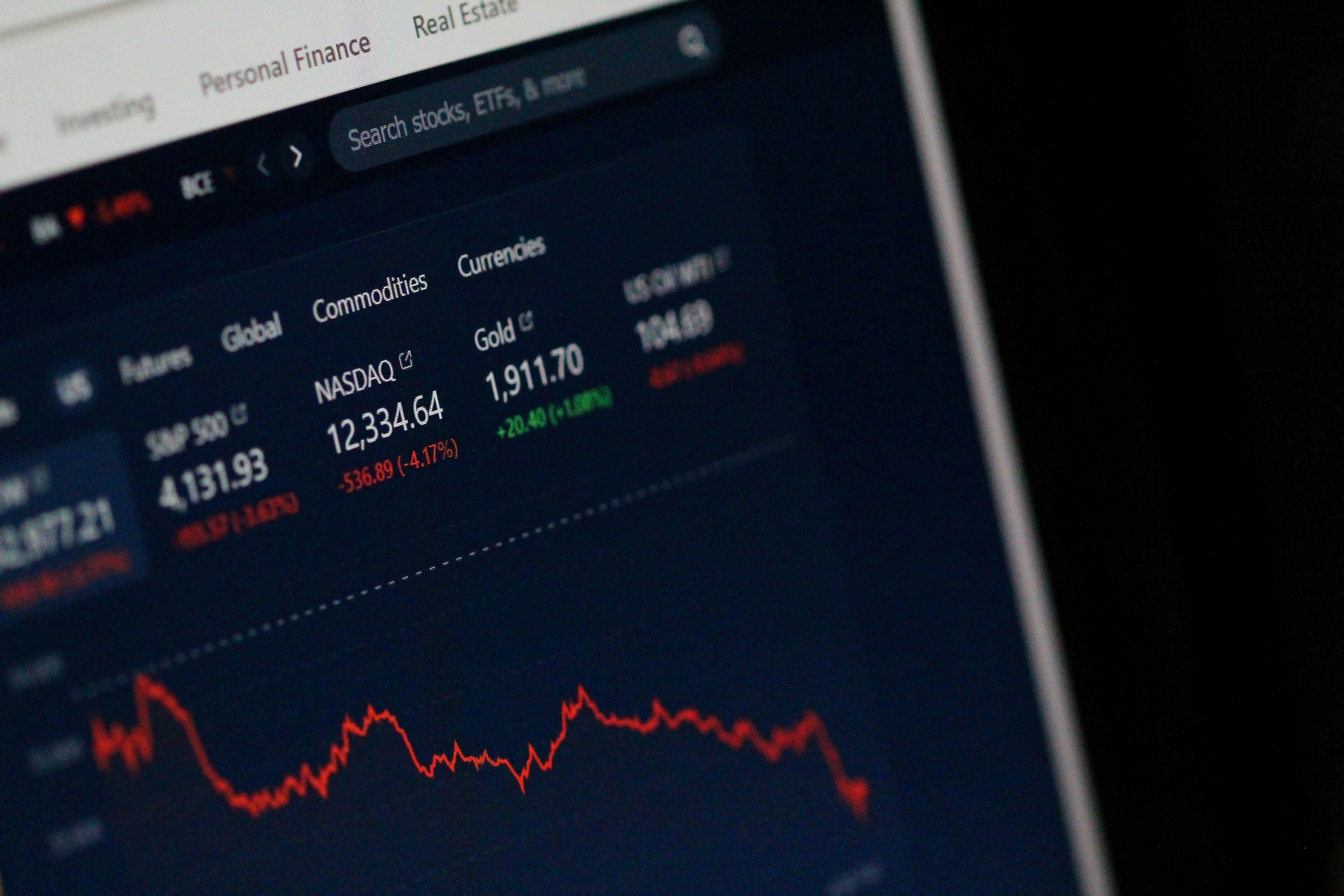
Overview of Asian Stock Markets
On November 12, the Asian stock markets presented a mixed picture as investors navigated a complex landscape shaped by global economic developments and regional sentiments. The performance across various indices highlighted the interconnectedness of these markets and their respective roles in the broader economic framework. Notably, the Nikkei 225 index in Japan showcased resilience, closing with positive momentum driven by domestic consumer spending and corporate earnings exceeding expectations. This uptick indicates a steady recovery in the Japanese economy, which remains a significant player in the Asian market.
In contrast, the KOSPI index of South Korea experienced a slight decline, reflecting concerns over export levels and global trade tensions. As one of the major economies in Asia, South Korea’s performance is closely watched, given its reliance on exports to key markets. This trend underscores the ripple effects that fluctuations in demand from major partners can have on regional indices.
The Hang Seng Index in Hong Kong displayed volatility amid political and economic uncertainties that continue to affect investor confidence. While there were periods of growth during the session, the overall results were tempered by external factors, including regulatory changes and geopolitical tensions. Meanwhile, the Shanghai Composite Index reflected a cautious approach by investors, as market participants weighed the implications of potential policy shifts and the ongoing impact of previous economic measures on growth prospects.
Overall, the divergent performances of these indices underscore the complexities within Asian markets. Investors must consider regional dynamics, global economic indicators, and the intricate relationships between these major market players. Understanding these factors is crucial, as they collectively influence investor sentiment and market direction in the ever-evolving landscape of Asian stock markets.
Nikkei 225: A Slight Increase Amidst Volatility
In the latest trading session, the Nikkei 225 index reported a modest increase of 0.43%, closing at a noteworthy level amid a backdrop of market volatility. This performance can be attributed to several interrelated factors, primarily shining light on the prevailing market sentiment and key macroeconomic indicators that are influencing trading behavior in Japan.
One significant contributor to the Nikkei’s upward movement was the reaction to recent global economic events. Market participants have been closely monitoring developments in the U.S. economy, particularly following shifts in Federal Reserve policy and employment data releases. These factors tend to have a ripple effect on Asian markets, including Japan. As investors reacted to signs of potential economic improvement overseas, the Nikkei benefited from increased foreign investment, reflecting a cautious but optimistic outlook for Japanese equities.
Notably, some of the largest components of the Nikkei 225 index, including technology and automotive manufacturers, exhibited positive price action. Companies like Sony and Toyota saw gains as market analysts reassessed their earnings forecasts amidst resilient consumer demand. This was further bolstered by domestic factors, including improved industrial production data released along with positive corporate earnings reports which indicated robust operational performance despite global uncertainties.
However, trade remains susceptible to macroeconomic pressures, including fluctuations in inflation rates and currency movements. The yen’s recent strength against the dollar has raised concerns about the competitiveness of Japanese exports. Hence, while the slight increase in the Nikkei 225 is encouraging, investors remain cautiously optimistic, keeping an eye on forthcoming economic data and global trends that may pose implications for future market stability. As we move forward, the combination of external economic developments and internal market dynamics will undoubtedly shape the trajectory of the Nikkei 225.
KOSPI: Sharp Increases Driven by Key Sectors
On November 12, the KOSPI in South Korea experienced a notable increase of 1.07%, reflecting a buoyant market sentiment that is shaping the investment landscape in the region. This surge can be primarily attributed to robust performances in the auto and energy sectors, both of which have shown resilience and growth potential despite broader economic challenges. As the automotive industry adapts to the shifting paradigms of consumer preferences, including a growing demand for electric vehicles, key players in this sector have recorded substantial gains that contributed significantly to the KOSPI’s upward trajectory.
The energy sector also played a pivotal role in enhancing investor confidence, especially amid the global transition towards renewable energy sources. Major energy companies have been expanding their portfolios and investing in sustainable technologies, encouraging investor optimism. This dual focus on the auto and energy industries not only propelled the KOSPI’s performance but also underscored a broader trend towards sustainable practices among South Korean corporations. Consequently, this shift is attracting both domestic and international investors, eager to capitalize on the potential returns from these sectors.
Moreover, supportive government policies have reinforced this positive momentum. Recent initiatives aimed at bolstering the manufacturing sector, particularly in technology and green energy, have been instrumental in fostering an environment conducive to growth. Additionally, investor sentiment has been buoyed by favorable news related to trade agreements and foreign investments, which have enhanced the overall appeal of the South Korean market. While fluctuations are expected in the ever-dynamic stock market, the current performance of the KOSPI reveals a strong foundation driven by key sectors and favorable external conditions.
Hang Seng and Shanghai Composite: Divergent Trends
The performance of the Hang Seng Index in Hong Kong and the Shanghai Composite Index has highlighted notable discrepancies within the Asian stock market, particularly as of November 12. The Hang Seng Index experienced an increase of 0.85%, reflecting a measure of resilience amidst the broader economic complexities impacting the region. This upward movement can be attributed to gains in various sectors, including technology and consumer goods, which tend to influence the market positively during times of uncertainty.
In contrast, the Shanghai Composite Index saw a slight decline of 0.07%. This downturn raises questions regarding investor sentiment as they await critical economic data that could shape future market movements. The apprehension among investors is likely tied to broader concerns about China’s economic outlook, including ongoing adjustments to fiscal policies and global economic pressures. The divergence between these two indices underscores the segmented nature of the Asian equity landscape, where regional factors can significantly alter market trajectories.
For investors, the contrasting performances of the Hang Seng and Shanghai Composite indices suggest a need for strategic differentiation in portfolio management. While the Hang Seng may offer opportunities fueled by sector-specific recoveries, the Shanghai Composite’s stagnation signals caution as stakeholders closely monitor forthcoming economic indicators. As global market dynamics evolve, particularly amid geopolitical tensions and inflationary pressures, investors may find value in conducting thorough analyses of both regions’ market activities.
In conclusion, the mixed signals from the Hang Seng and Shanghai Composite exemplify the complexities within the Asian stock market. Investors should remain vigilant and informed about the broader implications of these trends, as they can significantly impact investment strategies and market sentiment moving forward.