
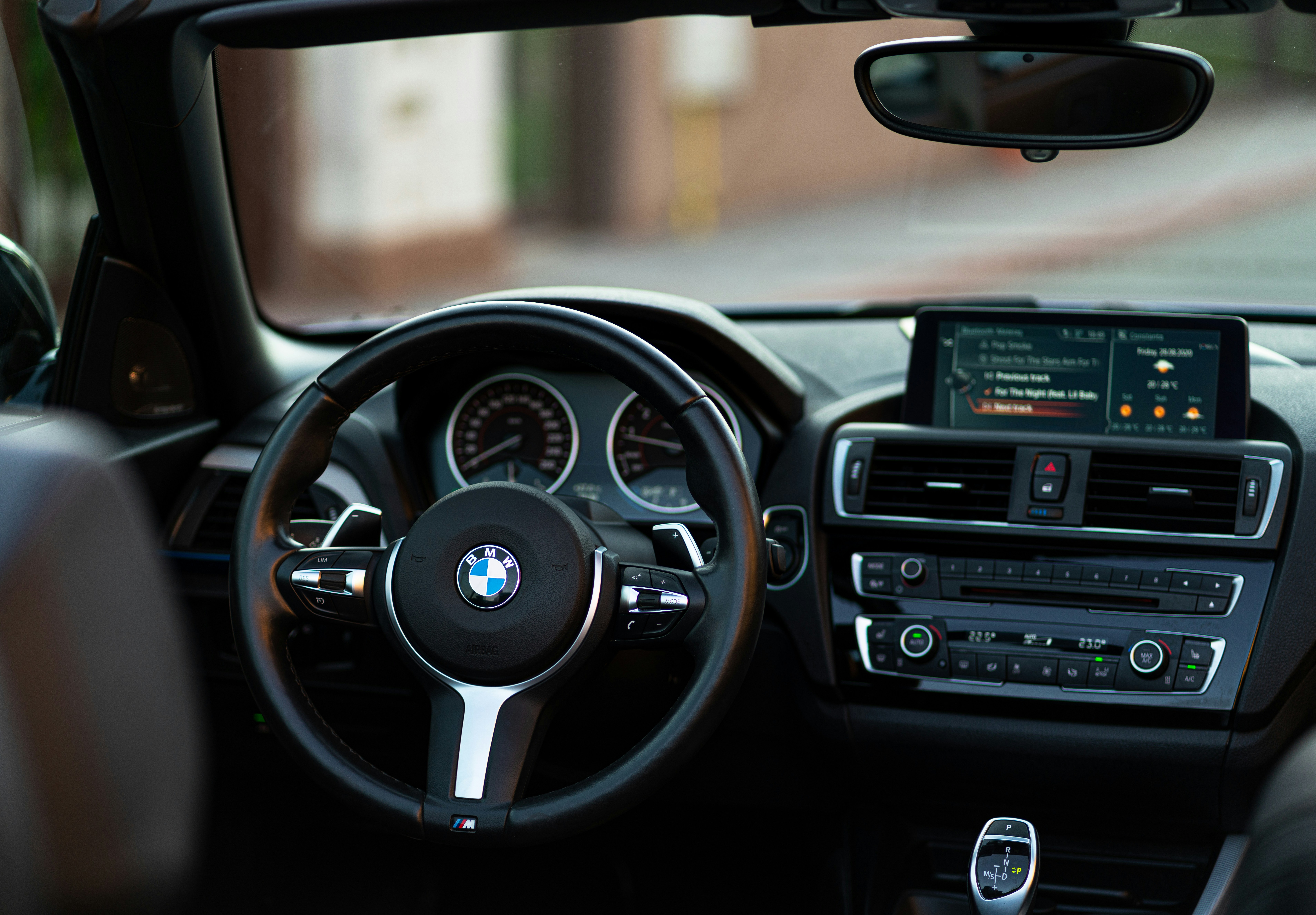
The Rise of In-Car Gaming
The integration of gaming capabilities into car infotainment systems represents a significant advancement in the automotive industry. As consumers increasingly expect diverse entertainment options while on the road, the trend towards in-car gaming has gained traction, compelling manufacturers to rethink the traditional role of vehicles. This innovative approach aligns with the demands of modern drivers, who seek not only utility from their automobiles but also a comprehensive, enjoyable experience during travel.
Notably, companies like Mercedes have already embarked on this journey, showcasing various initiatives designed to entertain passengers through integrated gaming features. This move indicates a broader acknowledgement among automotive brands that enhancing the travel experience is pivotal. For families, long journeys can often be a repetitive and monotonous affair. However, the introduction of gaming into vehicles can significantly improve passenger engagement by offering interactive entertainment that makes time spent on the road feel quicker and more enjoyable.
The benefits of in-car gaming extend beyond mere entertainment; they represent an opportunity to foster stronger connections between brands and their customers. By providing unique and enjoyable experiences, automotive manufacturers can enhance customer satisfaction and loyalty. This is particularly important as the automotive landscape becomes increasingly competitive. As brands like BMW innovate in this space, drivers can anticipate a shift where gaming features become a staple in car design, reshaping perceptions of what a vehicle can offer.
Furthermore, the future of in-car gaming looks promising as advancements in technology continue to evolve. With the potential for multi-user experiences, interactive features, and augmented reality integration, the transformative power of gaming in vehicles not only caters to the entertainment needs of passengers but also opens new avenues for brand engagement and consumer interaction in the automotive sector.
How BMW Plans to Integrate Gaming
BMW’s innovative approach to enhancing in-car entertainment involves a seamless integration of gaming into their existing infotainment systems. Central to this initiative is the utilization of smartphones as controllers, which allows users to engage with games directly from the comfort of their vehicles. This connectivity not only maximizes the convenience factor for users but also leverages the powerful processing capabilities of modern smartphones, providing an enriched gaming experience.
The integration will be facilitated through BMW’s existing interface, which is known for its user-friendly design. By incorporating gaming features within this well-established platform, BMW aims to ensure that drivers and passengers can easily navigate from traditional infotainment options to interactive gaming. The types of games available will range from casual titles that can be enjoyed during stops to more immersive experiences designed for extended periods of downtime, such as charging sessions or while parked.
Additionally, BMW is exploring strategic partnerships with leading game developers to bring a diverse array of gaming options to their users. These collaborations could result in exclusive titles that are tailored specifically for the driving environment, ensuring that they meet safety standards and enhance the overall user experience. The anticipated rollout of this feature is planned across various new models, reflecting BMW’s commitment to staying ahead of automotive trends and consumer expectations.
Early feedback from customers who have experienced preliminary versions of the gaming system has been overwhelmingly positive. Users have expressed excitement about the potential for enhanced interaction and entertainment during their journeys. As BMW continues to refine this feature, the integration of gaming into its infotainment systems is set to redefine the in-car experience, merging luxury with cutting-edge technology.
Safety and Regulations: Balancing Fun and Responsibility
As BMW embarks on the innovative journey of integrating gaming into their car infotainment systems, safety remains a paramount concern. The allure of entertainment during travel can easily lead to distractions, which not only jeopardizes the driver’s focus but also the safety of passengers and other road users. Consequently, it is critical that any gaming features are designed with stringent safety protocols to mitigate such risks. BMW aims to address these concerns through various measures that prioritize safe driving while still offering an engaging experience when the vehicle is stationary.
One of the strategies being considered involves setting limitations on gaming capabilities while the vehicle is in motion. This might include disabling certain functions or providing only access to less demanding game formats that require minimal attention from the driver. Furthermore, the implementation of intuitive voice-activated controls could facilitate interaction without taking the driver’s eyes off the road. Such features not only enhance convenience but also shift the focus away from visual gaming experiences that may otherwise lead to distraction.
The regulatory landscape surrounding in-car entertainment and gaming is another critical aspect to consider. Different regions may impose various regulations to ensure driver safety, which necessitates that BMW stays compliant with local laws. Adhering to these regulations will not only prevent legal repercussions but also demonstrate corporate responsibility and commitment to consumer safety. By actively engaging with policymakers, BMW can help shape standards that balance innovation with responsible driving practices.
Ultimately, while the integration of gaming into vehicles presents exciting possibilities, it must accompany a robust framework prioritizing safety and responsibility. Engaging with consumers to understand their safety concerns will play a vital role in developing solutions that enhance the driving experience without compromising safety.
Looking to the Future: The Impact of Gaming in Automotive Innovations
The integration of gaming into car infotainment systems marks a significant advancement in automotive technology, with implications that extend beyond entertainment. This initiative has the potential to revolutionize how drivers and passengers interact with their vehicles, creating an engaging and immersive experience. As automotive manufacturers like BMW embrace this trend, the future may see more sophisticated technologies such as virtual reality (VR) and augmented reality (AR) blending seamlessly into everyday driving.
The prospect of incorporating gaming elements into vehicles signals a shift towards interactive interfaces that enhance user engagement. For instance, augmented reality could provide real-time information about the road, traffic conditions, and navigation directly within the driver’s field of view, thereby improving safety and convenience. Additionally, vehicle occupants may experience entertainment options that adapt to individual preferences, fostering a personalized travel experience.
Furthermore, the gamification of car functions presents an avenue for new revenue streams. Innovations such as in-car purchases and subscription models for premium features could reshape customer interactions and create a continuous value proposition. Consumers may opt to unlock new games, updates, or interactive experiences via microtransactions, thereby transforming the way automotive companies monetize their infotainment systems.
The potential consequences of these technological advancements go beyond consumer behavior. The introduction of gaming into vehicles may influence industry trends, encouraging competitors to adopt similar innovations or explore other advanced technologies. As the automotive landscape evolves in this direction, the synergy between gaming and automotive industries could give rise to new collaborative opportunities, research, and elaborate design concepts that enhance mobility and connectivity.
Ultimately, the integration of gaming within automotive interiors represents not just an enhancement of driver and passenger experience, but heralds a new era of innovation that could define the future of transportation.