
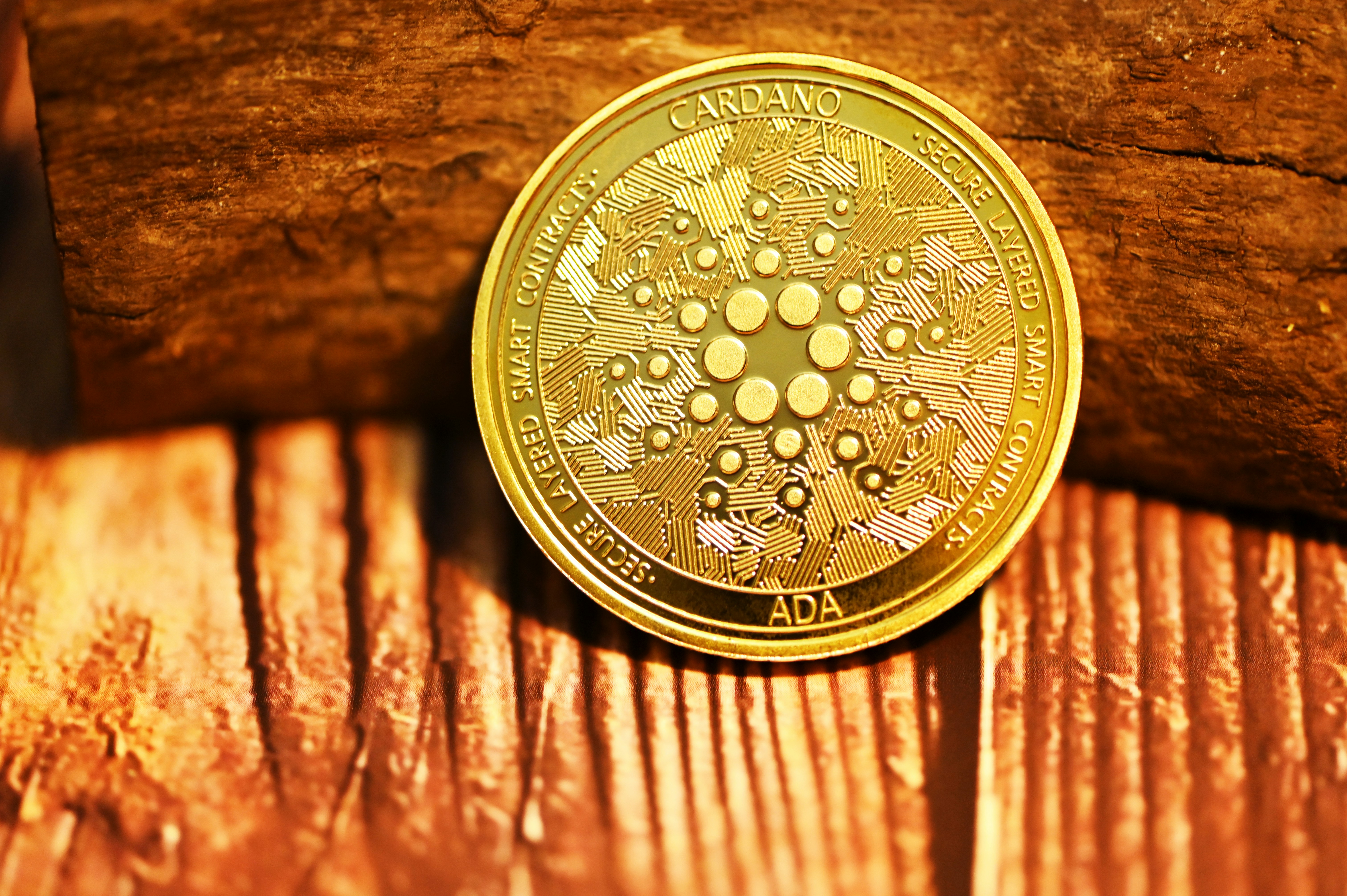
Introduction to Cardano (ADA)
Cardano (ADA) is a third-generation blockchain platform that aims to provide a more secure and scalable infrastructure for the development of decentralized applications and smart contracts. Established by Input Output Hong Kong (IOHK) in 2017, Cardano is distinguished by its commitment to a research-driven approach, where peer-reviewed academic work lays the groundwork for its development. This rigorous methodology is fundamental to ensuring that Cardano not only keeps pace with the rapidly evolving blockchain ecosystem but also sets a standard for innovation and security.
At the heart of Cardano’s design is the proof-of-stake consensus mechanism known as Ouroboros. This approach offers significant advantages over the traditional proof-of-work mechanism, particularly in terms of energy efficiency and speed. Ouroboros utilizes a unique, mathematically proven system that allows validators to create new blocks and secure the network based on the amount of ADA they own and are willing to “stake”. This incentivizes holders to participate in network security while minimizing environmental impact, addressing one of the key criticisms faced by earlier blockchain platforms.
The mission of Cardano is centered on fostering an inclusive, global financial system that empowers individuals while instilling trust in transactions. Unlike many cryptocurrencies that focus solely on transaction capabilities, Cardano aims to bridge the gap between traditional finance and the world of decentralized finance (DeFi). The platform emphasizes interoperability, ensuring that different blockchains can communicate and work together, which is essential for the long-term success of decentralized applications.
In an increasingly fragmented blockchain landscape, Cardano’s significance lies in its foundational principles of scalability, sustainability, and interoperability. By leveraging its cutting-edge technology and academic rigor, Cardano seeks to be a leader in the cryptocurrency market, attracting developers and businesses looking for a robust foundation upon which to build innovative applications.
Current Price of Cardano (ADA)
The current price of Cardano (ADA) reflects notable fluctuations as the cryptocurrency market continues to evolve. As of October 2023, the price of ADA hovers around $0.25, which showcases a modest 5% increase from its previous week’s trading figures. Historical analysis suggests a range of price movements over the past year, where ADA reached its highest point of approximately $0.75 in May 2023, driven largely by bullish market sentiment and developments in its underlying technology. However, the coin has also experienced considerable volatility, hitting lows near the $0.15 mark in early September 2023 due to broader market corrections.
When comparing Cardano’s performance to other leading cryptocurrencies, it remains a focal point for investors, especially in the context of Ethereum and Bitcoin. The substantial gap in market capitalization signifies fluctuating investor confidence and highlights the relative standing of ADA within the crypto ecosystem. As of late October 2023, Bitcoin, the dominant player, boasts a price around $27,000, while Ethereum trades at approximately $1,800. This comparison underscores the challenges Cardano faces in gaining market traction amidst competing technologies and platforms.
Furthermore, various factors influence Cardano’s current valuation, including regulatory actions, technological advancements, and community engagement. Recently, the introduction of smart contract functionalities has positioned Cardano more favorably in the eyes of investors; however, the competition with established blockchains is fierce. As investors remain keenly aware of these dynamics, Cardano’s price outlook will continue to be driven by a mix of intrinsic advancements and external market pressures. Such developments will be crucial in determining ADA’s future performance in an increasingly crowded cryptocurrency market.
24-Hour Price Volatility of Cardano
The past 24 hours have witnessed notable price volatility for Cardano (ADA), a cryptocurrency that has been subject to fluctuating market conditions and investor sentiment. Over this short timeframe, the price of Cardano has experienced a range of movements, highlighting the dynamic nature of the digital asset market. The observed price fluctuation for ADA has been between $0.25 and $0.28, illustrating a significant percentage change that traders and investors cannot overlook.
Several market factors have contributed to this volatility, including market sentiment, trading volume, and broader economic indicators. Sentiment surrounding regulatory developments, technological advancements within the Cardano ecosystem, and macroeconomic trends often play a critical role in influencing short-term price movements. For instance, announcements regarding partnerships or upgrades in the Cardano blockchain could generate increased trading activity, prompting sharp price shifts. Similarly, speculative trading can exacerbate price swings, as traders react quickly to news or emerging trends.
This level of volatility presents both opportunities and risks for traders who operate within the short-term price trends of Cardano. Traders utilizing strategies such as day trading or scalping may find prospects to capitalize on these price movements, allowing for potential gains. However, the same volatility can also lead to significant losses, particularly in a market characterized by rapid price shifts. Consequently, it is essential for investors to stay informed about market trends and assess their risk tolerance before making trading decisions.
In summary, the 24-hour price volatility of Cardano (ADA) reflects the inherent risks and opportunities present in the cryptocurrency market. A careful analysis of the factors contributing to these movements is crucial for traders and investors aiming to navigate the complexities of short-term investments in ADA.
Technical Analysis of Cardano (ADA)
The technical analysis of Cardano (ADA) necessitates the examination of key market indicators that contribute to understanding its price movements. One of the primary tools used in this analysis is the moving average, which helps to identify the overall trend in the market. The simple moving average (SMA) and the exponential moving average (EMA) are widely adopted to smooth price fluctuations over specified periods, allowing traders to discern the general direction of ADA’s price. Currently, both the 50-day and 200-day moving averages are closely observed as they often indicate potential buy or sell signals depending on their crossover patterns.
In addition to moving averages, trading volume serves as a critical indicator of market sentiment. An increase in trading volume during price surges typically suggests strong interest from buyers, while declining volume during retracements can point towards a lack of conviction in price declines. Market analysts have noted fluctuations in ADA’s trading volume over the past weeks, correlating with notable price movements. Such trends highlight the significance of volume as an analytical tool to ascertain the strength behind price changes.
The relative strength index (RSI) also plays a pivotal role in assessing Cardano’s price momentum. This momentum oscillator ranges from 0 to 100 and is utilized to identify whether a cryptocurrency is overbought or oversold. An RSI value above 70 typically indicates overbought conditions, which could lead to a price correction, while an RSI below 30 suggests overselling and potential for a price rebound. Current RSI readings for ADA reveal critical insights into investor sentiment and potential reversal points.
Understanding these technical indicators helps traders and investors gauge current market trends for Cardano (ADA), providing a foundation for making informed decisions regarding future price movements.
Market Sentiment and News Impacting Cardano
As of late 2023, the market sentiment surrounding Cardano (ADA) has seen considerable fluctuations, primarily influenced by a combination of developmental progress within the ecosystem and external market stresses. Recent updates from the Cardano development team indicate a focus on enhancing the scalability and usability of the platform through innovative upgrades. These advancements have bolstered investor confidence and contributed to a positive outlook among community members, who have remained engaged and optimistic about the project’s long-term viability.
The Cardano community has actively participated in discussions about the utility of smart contracts and decentralized applications (dApps), which have gained traction as vital components of the blockchain ecosystem. Enhanced functionalities are crucial as they position Cardano to compete effectively with other prominent platforms in the market. Positive news regarding partnerships and collaborations aimed at expanding Cardano’s ecosystem further amplifies community sentiment, providing a sense of stability and encouraging sustained investment.
However, external factors, particularly regulatory developments affecting cryptocurrencies on a global scale, have introduced an air of uncertainty. Governments around the world are evaluating cryptocurrency regulations, and news related to potential crackdowns can sway investor sentiment overnight. The fluctuations of major cryptocurrencies, like Bitcoin and Ethereum, also significantly influence Cardano’s price, as market participants often consider such metrics when making investment decisions. Overall, the interplay between internal advancements and external pressures creates a complex environment impacting Cardano’s market behavior.
Investor perception is additionally influenced by trends within the broader financial markets, including interest rates, which can determine risk appetite. As Cardano continues to innovate and adapt to the market landscape, staying abreast of these sentiments can provide valuable insights for investors looking to understand ADA’s price movements effectively.
Comparison with Competitors
Cardano (ADA) has emerged as a significant player in the blockchain domain, facing competition from established networks such as Ethereum, Solana, and Polkadot. Each of these platforms offers unique features and serves specific use cases, creating a dynamic landscape in the cryptocurrency market.
Ethereum, as the pioneer of smart contracts, holds a robust position with its extensive ecosystem. It boasts a large number of decentralized applications (dApps) and has the first-mover advantage. However, issues like high gas fees and scalability challenges have prompted many users to explore alternatives. Cardano aims to address these weaknesses through its unique proof-of-stake consensus mechanism, which enables greater energy efficiency and transaction speed without compromising security.
Solana is another competitor that has gained attention due to its high throughput and low transaction costs, making it well-suited for decentralized finance (DeFi) and non-fungible tokens (NFTs). However, its relatively young ecosystem has been criticized for network outages and concerns regarding decentralization. In contrast, Cardano emphasizes a methodical and research-driven approach to development, which fosters a more stable environment for its users.
Polkadot stands out for its interoperability features, allowing different blockchains to communicate and share information seamlessly. This capability is essential for the evolution of decentralized ecosystems. Cardano’s roadmap also includes plans for interoperability, but its primary focus remains on creating a scalable and sustainable platform that prioritizes security and the long-term vision of decentralized governance.
In conclusion, while Cardano, Ethereum, Solana, and Polkadot each have their strengths and weaknesses, Cardano’s emphasis on scientific principles and rigorous development processes positions it as a valuable contender in the blockchain space. This strategic focus may help Cardano carve out a sustainable niche as the landscape continues to evolve.
Future Projections for Cardano (ADA)
As the cryptocurrency market evolves, Cardano (ADA) is increasingly becoming a focal point for both investors and analysts. With its robust technological foundation and unique proof-of-stake consensus mechanism, Cardano shows promise for long-term growth. Current analysis suggests that the price trajectory of Cardano will be influenced by broader market dynamics, regulatory developments, and advancements within its ecosystem. Experts predict that as scalability solutions are implemented and decentralized applications (dApps) gain traction, Cardano’s adoption could increase significantly.
Historically, Cardano has demonstrated substantial volatility, common among cryptocurrencies, but recent trends indicate a gradual stabilization in its price. This has led analysts to forecast potential price ranges for the upcoming year. Depending on market sentiment and adoption rates, projections indicate that Cardano could range from $0.50 to $1.50 by the end of the year, reflecting a cautious optimism among traders and investors. However, these figures are contingent on several variables, including market performance of major cryptocurrencies like Bitcoin and Ethereum, legislative changes affecting the crypto space, and advancements within Cardano’s own framework.
Moreover, the heightened emphasis on sustainability and eco-friendly practices within the blockchain community could work in Cardano’s favor. As environmental concerns gain importance, ADA’s energy-efficient model positions it as an attractive option for socially responsible investors. Therefore, with increasing institutional interest and a growing user base, Cardano stands to benefit from external factors that may shape its future market performance.
In conclusion, while uncertainties persist within the crypto landscape, the outlook for Cardano appears promising, contingent on its ability to navigate challenges and capitalize on emerging opportunities.
Investment Strategies for Cardano
Investing in Cardano (ADA) requires a comprehensive approach that accommodates different time frames and risk appetites. Both short-term traders and long-term investors can benefit from strategic planning tailored to the unique characteristics of the Cardano market.
For short-term traders, it is critical to stay updated on market trends and price movements. Utilizing technical analysis tools, such as moving averages or RSI (Relative Strength Index), can provide insights into potential entry and exit points. Day trading or swing trading strategies may prove effective for those looking to capitalize on market volatility. Traders should set clear stop-loss orders to mitigate potential losses, defining the maximum loss they are willing to accept on a position, thus allowing for disciplined decision-making.
Long-term investors, on the other hand, should adopt a different mindset. A buy-and-hold strategy can be advantageous given Cardano’s promising blockchain technology and potential for future development. Conducting thorough research on Cardano’s use cases and ecosystem can help inform your investment decisions. It is advisable to periodically review the investment thesis as the crypto market evolves, assessing how Cardano is adapting to new developments.
Diversification is a crucial element in any investment strategy. Allocating a portion of the portfolio to Cardano while spreading investments among other cryptocurrencies or traditional assets can help manage risk effectively. By not putting all resources into one asset, investors can cushion against the inherent volatility associated with digital currencies. Building an exit strategy is also essential; determining specific profit-targets or loss thresholds can provide clarity and prevent emotional decision-making during market fluctuations.
In summary, whether you are a short-term trader or a long-term investor, employing structured investment strategies, alongside effective risk management and diversification, can greatly assist in navigating the complexities of the Cardano market.
Conclusion
In examining the latest price analysis and market insights for Cardano (ADA), several crucial points emerge that are vital for both seasoned and novice investors. Understanding the current price dynamics of Cardano is essential in navigating the often volatile cryptocurrency market. The fluctuations in ADA’s price can be influenced by various factors, including market sentiment, technological advancements within the Cardano ecosystem, and broader economic trends affecting the cryptocurrency landscape as a whole.
Moreover, as we have explored, market sentiment plays a significant role in driving price changes. Events such as partnerships, upgrades, or shifts in regulatory approaches can swiftly alter investor perception, impacting ADA’s value. Consequently, it is imperative to monitor ongoing developments and emerging trends to make sound investment decisions. Investors must consider the historical performance of Cardano along with its potential future trajectory, which is intertwined with both market forces and individual sentiment.
This comprehensive analysis highlights the necessity of conducting thorough research before making any investment decisions in Cardano or any other cryptocurrency. Relying solely on short-term price movements can be misleading, and adopting a more informed approach helps to mitigate risks associated with volatility. Staying updated on market changes, technological innovations, and macroeconomic indicators will empower investors to navigate the complexities of the cryptocurrency market effectively.
In conclusion, understanding the key elements of price dynamics, volatility, and market sentiment is essential when considering an investment in Cardano (ADA). By remaining vigilant and informed, investors can better position themselves to make strategic choices that align with their financial goals. Thus, continual observation and research are fundamental to success in this rapidly evolving market.
You might also like:
- The Shift in Currency Trading: Analyzing the Surge in Carry Trades Amid Low US Dollar Volatility
- Downed Planes Elevate Contemporary Perils For Trump As Tehran Hunts For Lacking U.S. Pilot
- Real Madrid Dominates Athletic Club in La Liga Clash
- Princess Charlotte Performs Cricket and Cuddles Family Dogs in Rare Fresh Birthday Video Shared by Kate Middleton and Prince William – Yahoo Recordsdata Canada
- Selena Gomez’s Exciting Engagement Announcement Takes the Spotlight