
The Context of U.S.-China Trade Relations
The trade relationship between the United States and China has long been characterized by a complex interplay of cooperation and contention. Over the past few decades, the two nations have engaged in various trade agreements that facilitated significant economic interaction. However, this dynamic has been destabilized by a series of tariffs and disputes that peaked during the U.S.-China trade war, which began in 2018. The imposition of tariffs by both countries had far-reaching effects, leading to disrupted supply chains and increased costs for consumers and businesses alike.
In recent years, there has been an ongoing effort to stabilize and redefine these relations through various channels, including negotiations aimed at resolving disputes and re-establishing mutual trust. The Phase One trade agreement, signed in January 2020, marked a momentary thaw in relations; it included commitments from China to increase purchases of U.S. goods, including agricultural products. However, challenges remain, as additional tariffs and regulatory barriers continue to affect bilateral trade.
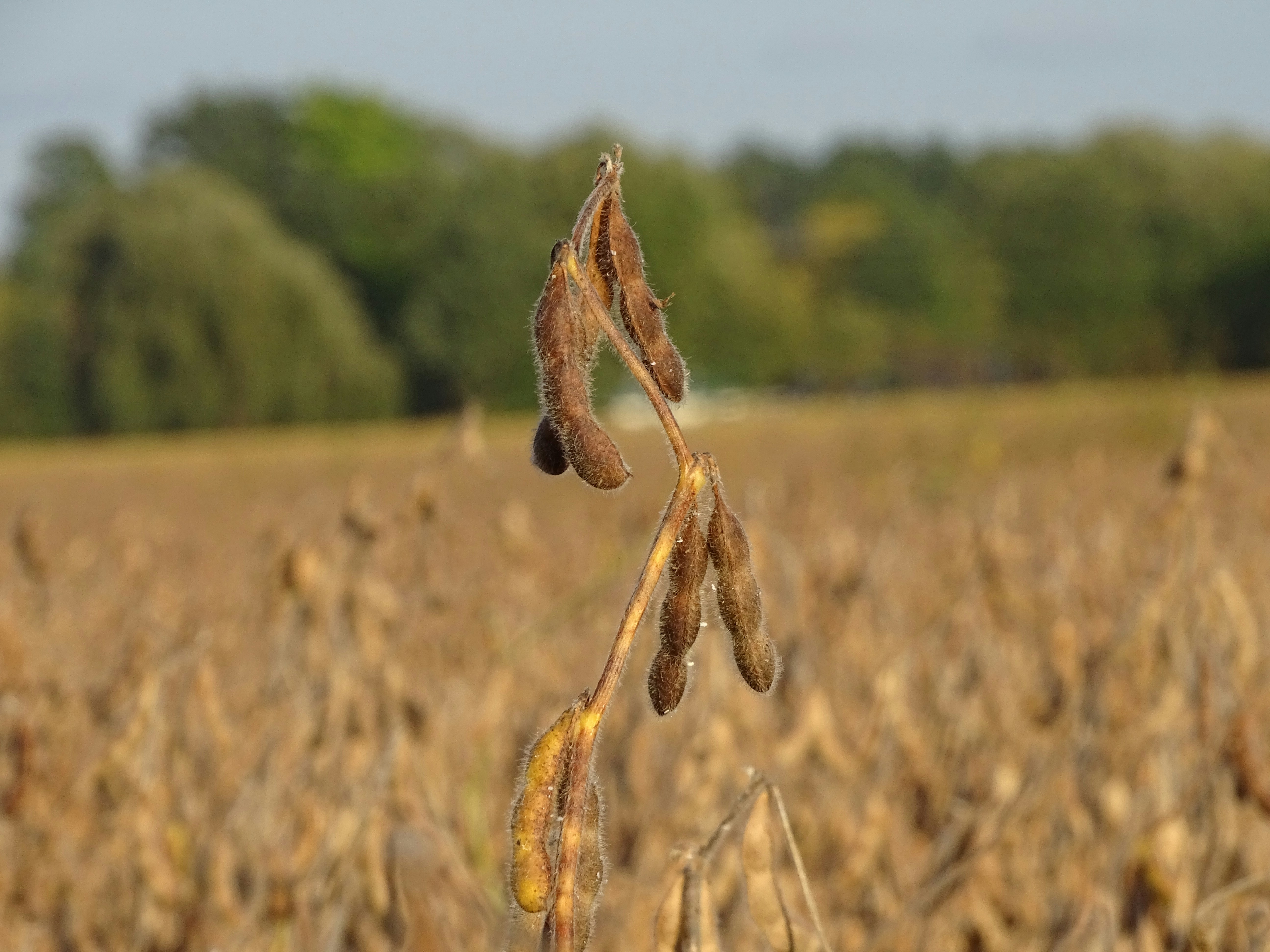
The recent acquisition of U.S. soybeans by COFCO, China’s state-owned food processing corporation, illustrates the fluctuating realities of this trade landscape. This strategic purchase can be viewed not merely as a business decision but as a significant indicator of China’s approach to trade amidst ongoing uncertainties. It underscores the importance of American agricultural products in addressing domestic food security concerns while suggesting a willingness to cooperate in specific sectors, despite broader tensions. The implications of such a transaction could influence future negotiations, demonstrating how economic decisions may serve both immediate needs and longer-term strategic interests.
Impact of COFCO’s Soybean Purchase on Global Markets
The acquisition of three cargoes of U.S. soybeans by COFCO, China’s state-owned food processor, signals a significant shift in the global commodity market. This strategic purchase is expected to influence soybean prices worldwide. As COFCO enters the market, immediate effects may include an uptrend in U.S. soybean prices, driven by increased demand from one of the world’s largest consumers. The heightened competition for U.S. soybeans could create price volatility, particularly if other buyers anticipate similar actions. This situation may compel competing countries, particularly Brazil and Argentina, to reassess their pricing strategies and export dynamics.
The essential role of soybean in global agriculture means that this purchase not only impacts prices but also alters supply chain dynamics. The influx of Chinese demand places additional pressure on already constrained supply chains, which had faced disruptions due to factors such as adverse weather conditions and earlier trade tensions. The ripple effect could lead to delays in shipments and increased logistical costs, affecting agricultural stakeholders from producers to end consumers.
Competitor countries may respond to COFCO’s strategic move by ramping up their production efforts or seeking alternative markets. For instance, Brazil and Argentina may look to increase their exports to compensate for any loss of market share with China. Additionally, agricultural stakeholders in the U.S. may consider adjusting their planting strategies to maximize profitability amid this changing landscape, thereby influencing future crop cycles.
Market analysts and investors will be closely monitoring the reactions from various players in the agricultural sector, as this COFCO purchase may serve as an indicator of broader trends in global commodity trade. Adjustments in planting, production, and sales strategies influenced by this acquisition will ultimately shape the agricultural sector’s competitive landscape moving forward.
Political Ramifications Surrounding the Purchase
The recent acquisition of U.S. soybeans by COFCO, China’s state-owned food processing company, presents significant political ramifications, especially in the context of global trade dynamics. This purchase, occurring just ahead of a crucial summit, is not merely a commercial transaction; it is laden with implications that could influence diplomatic relations between the United States and China. Government officials in both nations are likely to interpret this move through distinct lenses—while U.S. officials may view it as a positive development that signifies a willingness to engage in agricultural trade, Chinese authorities could frame it as a strategic maneuver to secure essential commodities amidst ongoing economic uncertainties.
From the American perspective, COFCO’s acquisition can be seen as leverage in negotiations, showcasing China’s reliance on U.S. agricultural products and potentially paving the way for more favorable trade discussions. Statements from U.S. trade officials might highlight this purchase as evidence of the positive effects of recent trade policies, suggesting that the agricultural sector is beginning to rebound after a tumultuous period marked by tariffs and trade restrictions. This empowerment of American farmers might help bolster domestic sentiment ahead of the upcoming summit, creating an atmosphere conducive to dialogue.
Conversely, in China, the purchase could be interpreted as an effort to stabilize food supplies and demonstrate resilience in the face of international tensions. Analysts may emphasize how such actions reflect Beijing’s strategic prioritization of food security and economic stability, particularly in light of fluctuating global markets. Moreover, the implications of COFCO’s dealings might signal a shift towards a more pragmatic approach in China’s foreign policy, fostering a chance for reconciliation and collaboration in the agriculture sector. Ultimately, the political ramifications surrounding this soybean import will likely unfold as both nations move forward with their diplomatic agendas at the summit.
Looking Forward: The Future of U.S.-China Agricultural Trade
The agricultural trade relationship between the United States and China is pivotal to global food security and economic stability. Following recent developments, such as COFCO’s significant purchases of U.S. soybeans, it is essential to analyze potential trends and forecasts regarding future agricultural exchanges. As both nations prepare for upcoming diplomatic summits, the outcomes of these meetings will undoubtedly impact the trajectory of agricultural trade moving forward.
In light of the historical patterns in U.S.-China trade relations, experts suggest that U.S. soybean exports may continue to experience fluctuations based on trade agreements and external factors such as climate change and crop yields. Should trade tensions ease, a more stable flow of agricultural products is likely, facilitating enhanced cooperation between domestic farmers and Chinese importers. Conversely, any resurgence of trade disputes could lead to the imposition of tariffs, adversely affecting the competitiveness of U.S. agricultural exports.
Moreover, investigations into new market access can present both challenges and opportunities for American farmers. As China’s demand for protein-rich foods continues to rise, U.S. soybean farmers could benefit from increased export opportunities. However, they must also compete with other agricultural exporters, which may further influence pricing dynamics and market share. Additionally, advancements in agricultural technology and farming practices may enhance productivity and efficiency, allowing U.S. farmers to meet domestic and international demand more effectively.
Ultimately, the long-term significance of recent transactions, such as COFCO’s purchases, will play a meaningful role in shaping agricultural policies within both nations. As stakeholders navigate this evolving landscape, fostering a mutually beneficial relationship between U.S. agricultural exporters and Chinese importers will be critical in sustaining growth and stability in agricultural trade.