
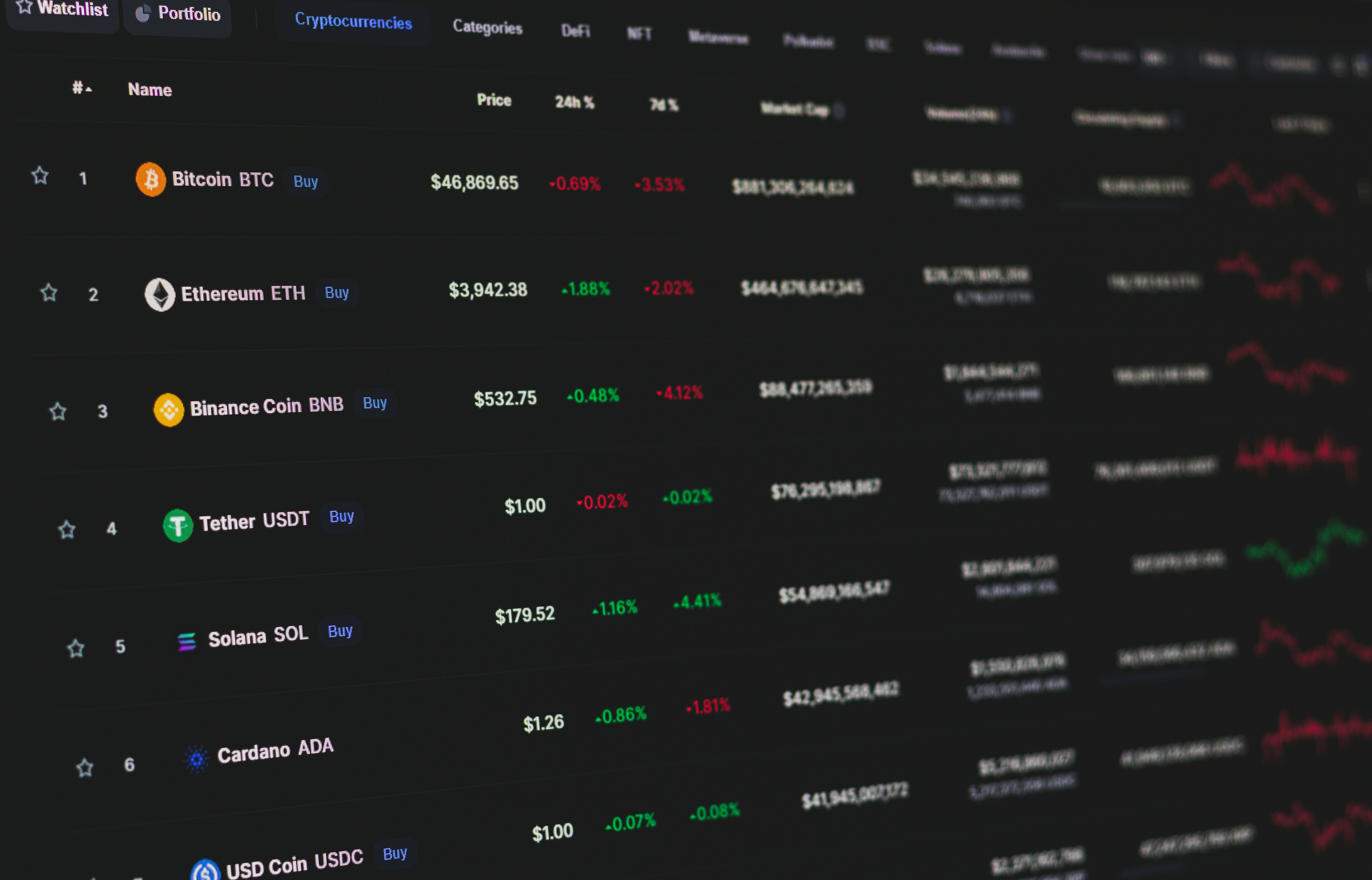
Introduction to the Current Market
As of October 21, 2025, the cryptocurrency market has been experiencing a notable decline, characterized by a bearish trend that has captured the attention of investors and analysts alike. Over the past 24 hours, significant fluctuations in the value of major cryptocurrencies have highlighted the market’s inherent volatility. Several factors contributing to this dip include regulatory developments, macroeconomic influences, and shifts in investor sentiment.
In recent days, leading digital currencies such as Bitcoin, Ethereum, and others have witnessed a steep decrease in their market capitalization. This downturn can largely be attributed to renewed concerns regarding regulatory scrutiny from several government bodies worldwide. As various nations assess their positions on cryptocurrency regulations, apprehension among investors has resulted in accelerated sell-offs, amplifying the bearish trend noted in the market.
Moreover, broader economic factors have come into play. Influences such as inflation rates, interest rate adjustments by central banks, and general market sentiment have further complicated the cryptocurrency landscape. Investors are not only grappling with the ongoing uncertainty within the cryptocurrency domain but also the implications of these macroeconomic factors on their portfolios. This interplay further fuels the overall volatility observed in the market.
Additionally, the current geopolitical climate has created a ripple effect, impacting investor confidence and leading to a conservative approach towards engaging with cryptocurrency investments. The response from institutional investors has been particularly cautious, which has further influenced the declining prices of various cryptocurrencies.
In the coming sections, we will delve deeper into the factors influencing this current state of the cryptocurrency market, highlighting key developments that are essential for understanding the landscape as it stands today.
Market Capitalization Overview
As of October 21, 2025, the cryptocurrency market capitalization is approximately $3.74 trillion. This figure serves as a crucial indicator of the overall health and performance of the cryptocurrency space. Market capitalization, which is calculated by multiplying the total number of coins currently in circulation by their respective prices, reflects not only the summed value of all cryptocurrencies but also the confidence investors place in digital assets.
A market capitalization of $3.74 trillion suggests a robust ecosystem, fostering greater investor interest and participation. In general, a rising market cap indicates a growing demand for cryptocurrencies, often leading to increased trading volumes and volatility. Investors closely monitor changes in market capitalization, as shifts can reflect broader trends in investor sentiment and market dynamics.
The relationship between market capitalization and trading sentiment is complex. A higher market cap can instill confidence among investors, potentially attracting more buyers who anticipate future price increases. Conversely, a sudden decline in market cap may trigger fear and prompt sell-offs, further destabilizing the market. Furthermore, market capitalization helps provide context for evaluating individual cryptocurrencies against the broader market. For instance, significant price corrections in high-cap assets often have a pronounced impact on the overall market cap and can influence market perception.
Moreover, the diversity within the crypto market is highlighted by the varying market capitalizations of different cryptocurrencies. Leading coins like Bitcoin and Ethereum substantially contribute to the overall market cap, while smaller altcoins can exhibit extreme volatility, affecting investor behavior. Understanding market cap can be vital for traders and investors as it offers insights into potential risks and rewards associated with their strategies in this rapidly evolving landscape.
24-Hour Trend Summary
Over the past 24 hours, the cryptocurrency market has experienced a notable decline, registering a drop of approximately 3.5% in total market capitalization. This decrease not only raises concerns among investors but also reflects the prevailing market sentiment, which is increasingly cautious. Several factors have contributed to this downturn, highlighting the complexities within the market dynamics.
One of the primary catalysts behind this drop appears to be heightened regulatory scrutiny in various jurisdictions. Governments around the world are taking a closer look at cryptocurrency operations, with discussions surrounding compliance, taxation, and consumer protection. The uncertain regulatory environment creates an atmosphere of unease, leading some investors to liquidate positions and thus exacerbating the market decline.
Additionally, market reactions to macroeconomic indicators, such as inflation and interest rates, often influence cryptocurrency trading trends. Recent reports illustrating potential economic instability have caused fluctuations not only in traditional financial markets but also in the cryptocurrency space. As investors gravitate towards safer assets in times of uncertainty, cryptocurrencies can experience heightened volatility and pressure leading to substantial drop-offs.
Sentiment analysis from various trading platforms indicates that fear and uncertainty have recently overshadowed optimism. Discussions on social media reflect a shift toward concern among traders, as many begin to rethink their strategies in light of the recent downturn. The combination of regulatory concerns and macroeconomic factors has led to a more defensive posture among market participants, culminating in significant price declines across many digital assets.
As we observe these trends, it is crucial for investors to stay informed about ongoing developments and their potential impacts on the cryptocurrency landscape. Understanding these fluctuations will enable stakeholders to navigate the dynamic environment more effectively.
Trading Volume Insights
As of October 21, 2025, the cryptocurrency market exhibits a total trading volume ranging between $160 billion to $170 billion. This figure is significant, indicating a robust level of activity within the market, particularly in the context of a bearish trend. In bear markets, trading volume often serves as a critical barometer reflecting investor sentiment and market dynamics.
A trading volume at this level suggests that despite prevailing price corrections, there remains a sustained interest among investors in cryptocurrency assets. Such engagement can often be interpreted as a sign of market resilience. Investors tend to become more discerning during bearish phases, scrutinizing shifts in trading patterns and using the trading volume to gauge potential recovery signals or market bottom formations.
Furthermore, high trading volumes in a declining market can indicate the presence of lateral accumulation phases, where seasoned investors might seize opportunities to acquire undervalued assets. This phenomenon often attracts more cautious investors who might exercise patience rather than impulsively exiting the market. The relationship between trading volume and price movements becomes evident, as heightened trading tends to precede price reversals or consolidations.
Moreover, as market participants navigate price fluctuations, the increased trading volume provides liquidity, which is essential for maintaining market stability. The ability to buy and sell assets without significantly affecting their prices is crucial, particularly in a bearish market scenario where volatility can be pronounced.
In conclusion, the total trading volume in the cryptocurrency market on October 21, 2025, underscores an ongoing engagement from investors, despite facing bearish conditions. This volume not only highlights market activity but also plays a crucial role in shaping investor strategies and market perceptions during price corrections.
Major Coin Movements
In the cryptocurrency market, significant price fluctuations often capture the attention of investors and analysts alike. Over the past 24 hours, major cryptocurrencies, including Bitcoin and Ethereum, have experienced notable price movements that are indicative of the market’s volatility. As of the latest reports, Bitcoin, the leading digital currency, is trading at approximately $30,500. This represents a decline of about 4% from its recent high of $31,800 observed just a few days prior. Such a drop may be attributed to a myriad of factors ranging from market sentiment to broader economic indicators influencing trading behavior.
Similarly, Ethereum, the second-largest cryptocurrency by market capitalization, has also faced downward pressure. Currently priced at $1,900, it has seen a reduction of nearly 3% from its peak of $1,960. This volatility is a recurring theme within the cryptocurrency landscape, often influenced by market trends and investor psychology. Moreover, the altcoin market mirrors this trend, with coins like Binance Coin (BNB) and Cardano (ADA) also reflecting downward shifts. For instance, Binance Coin is priced at $240, indicating a 5% decrease from its recent high, while Cardano is currently trading at $0.45, a 4% drop from its peak of $0.47.
The interplay of various market forces, including profit-taking behavior and external economic developments, plays a substantial role in shaping these price movements. With the cryptocurrency market’s unique characteristics and its propensity for rapid changes, investors must remain vigilant and informed. As observed, the high levels of volatility inherent in cryptocurrency can lead to both significant gains and losses, making it essential for traders to employ strategic analysis and monitor developments closely in order to navigate this dynamic environment effectively.
Performance of Top Altcoins
The cryptocurrency market is known for its volatility, and the performance of altcoins often reflects this dynamic landscape. On October 21, 2025, several prominent altcoins experienced significant fluctuations, with notable declines observed among BNB, Solana, XRP, Dogecoin, and Cardano. Each of these cryptocurrencies did not perform in isolation; their movements were closely correlated with Bitcoin’s recent performance, showcasing the interconnected nature of the crypto ecosystem.
BNB, the native cryptocurrency of the Binance Exchange, recorded a decline of approximately 8% within the 24-hour period. This downturn can be partially attributed to regulatory concerns affecting centralized exchanges, particularly after a major policy announcement that created apprehensions among traders and investors alike. The ripple effect from Bitcoin’s earlier price corrections also played a role in BNB’s performance as traders often adjust their positions based on Bitcoin’s fluctuations.
Solana also saw a significant drop of around 9%. The blockchain’s scalability issues became a hot topic among users and analysts, leading to a pullback in market confidence. Despite Solana’s strong fundamentals, the overall market sentiment, heavily influenced by Bitcoin’s volatility, hindered its price resilience.
XRP experienced a decline of approximately 7%, with factors such as ongoing legal battles and regulatory scrutiny affecting investor sentiment. This coin’s fluctuations mirrored Bitcoin’s recent performance, as many investors choose to liquidate their holdings in altcoins during periods of Bitcoin instability.
Dogecoin and Cardano were not immune, with declines of about 10% and 6%, respectively. Dogecoin’s price has been particularly sensitive to social media sentiment, while Cardano’s decline reflects broader market trends rather than its underlying technology or community developments.
Overall, the performance of these top altcoins over the specified period serves as a testament to the significant influence that Bitcoin wields over the broader cryptocurrency market. As traders navigate this volatile environment, understanding the relationship between Bitcoin and altcoins remains crucial for strategic investment decisions.
Market Sentiment Analysis
Market sentiment plays a crucial role in the dynamics of the cryptocurrency ecosystem. As of October 21, 2025, the cryptocurrency market is experiencing a notable decline in prices, an event that has sparked a variety of reactions among investors and traders. This downturn has prompted many market participants to re-evaluate their strategies, fueled by an atmosphere of uncertainty. With prices retracting after a phase of rapid growth, the prevailing sentiment appears to be cautious and somewhat pessimistic.
Investors are currently assessing the underlying reasons for this market correction, which might include regulatory concerns, macroeconomic factors, or market manipulation. The heightened volatility observed in recent trading sessions has made participants wary, leading some to adopt a more conservative approach. Market sentiment is further characterized by a sense of fear, as traders grapple with the implications of falling asset values. This has led to an increase in sell-offs, as many investors opt to minimize potential losses rather than risk a further decline.
The struggle to establish stability following a period of significant upward momentum is evident in the current market landscape. Previous bullish trends have left many investors questioning the sustainability of such growth. As the market attempts to find its footing, analysts are closely monitoring key indicators, including trading volumes, market capitalization, and social media sentiment. These metrics can provide insights into the collective attitudes of investors, illuminating whether the market is positioned for recovery or if this downward trend might persist.
In effect, the current sentiment reflects a complex mix of fear, uncertainty, and the cautious optimism typical of the cryptocurrency market following a correction. As stakeholders navigate this challenging period, understanding market sentiment will be vital for making informed decisions in this rapidly evolving sector.
Recent News Impacting the Market
The cryptocurrency market is heavily influenced by global events, regulatory changes, and significant incidents that capture public attention. Recently, the U.S. Department of Justice made headlines with the confiscation of over $14 billion worth of Bitcoin, linked to a prominent scam operation based in Cambodia. This substantial enforcement action not only highlights the ongoing concerns surrounding fraud and illicit activities within the cryptocurrency space but also raises questions about the overall security and regulation of digital assets. The government’s willingness to act against such activities signals a continuing trend of stricter oversight in the industry, which could have far-reaching implications for both investors and platforms alike.
In addition to the confiscation news, another event that has drawn significant interest was the revival of an old Bitcoin wallet that transferred a staggering $1.3 billion worth of Bitcoin in a recent transaction. The movement of such a large sum, especially from a dormant wallet, has garnered considerable speculation and debate among cryptocurrency enthusiasts and analysts. Many are viewing this as a potential indicator of enhanced market activity or a signal that long-term holders might be preparing to re-enter the market. This incident has not only sparked discussions on market volatility but also on the strategic decisions of large holders in relation to market timing and liquidity.
Conclusion and Market Outlook
As we reflect on the currents of the cryptocurrency market over the past 24 hours, the analysis reveals a landscape marked by significant volatility and evolving opportunities. The recent adjustments in cryptocurrency prices, influenced by various economic factors and regulatory news, demonstrate the market’s inherent unpredictability. During this period, assets have shown resilience, yet corrective measures remain evident, urging investors to proceed with caution.
Market sentiment appears to be shifting as traditional financial dynamics intertwine with blockchain innovations. For instance, several jurisdictions are steadily embracing cryptocurrency regulations, which can potentially pave the way for greater legitimacy and mainstream adoption. This regulatory clarity may facilitate larger institutional investments moving forward, a trend that many analysts believe will shape the future of the market. Investors should monitor these regulatory developments closely, as they could be pivotal in defining the operational framework for cryptocurrencies.
Technological advancements also present a noteworthy component of the market outlook. Innovations such as decentralized finance (DeFi) and non-fungible tokens (NFTs) are fundamentally transforming the scope and functionality of digital currencies. Such evolution suggests that, while immediate price fluctuations occur, longer-term trajectories may favor growth in specific segments of the cryptocurrency market.
In light of recent price corrections, it is prudent for investors to reassess their strategies. Diversification remains a key tactic to mitigate risk in these uncertain times. Furthermore, staying informed about geopolitical developments and market sentiment can empower investors to make informed decisions. Ultimately, a balanced approach combining vigilance and strategic foresight can help navigate the complexities of the cryptocurrency landscape as it continues to mature.