
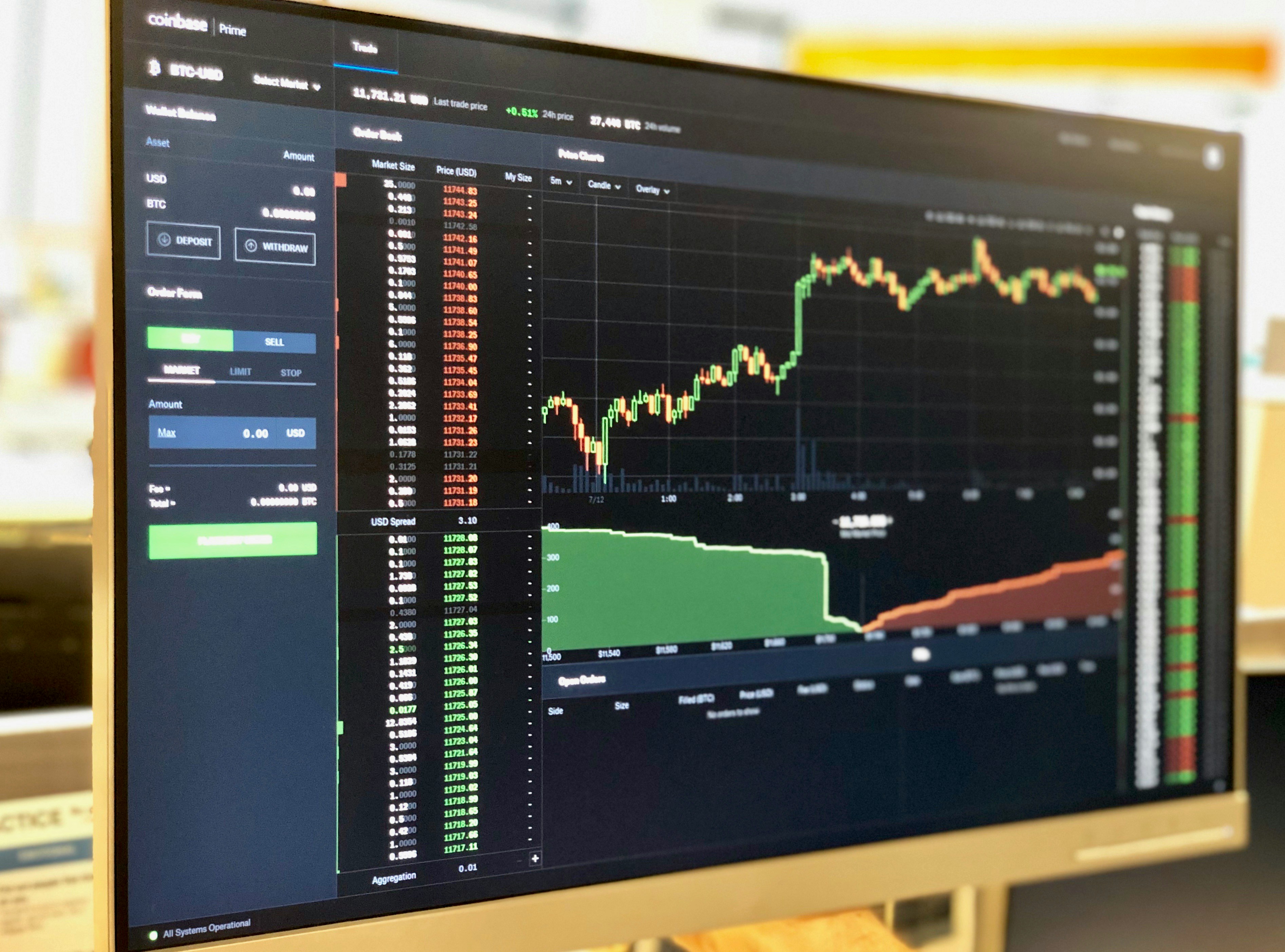
Market Capitalization Trends
Over the past 24 hours, the cryptocurrency market has experienced noteworthy fluctuations in total market capitalization. Current figures indicate a decrease of approximately 2%, bringing the total market capitalization down to around $3.87 trillion. This decline has attracted attention as traders and investors closely monitor market conditions and sentiment. While some sources report a slight increase in specific segments of the market, the overall trend underscores the volatility pervasive within the cryptocurrency landscape.
The observed decrease in market capitalization can often be attributed to various factors that influence investor sentiment. Changing cryptocurrency prices, regulatory developments, and macroeconomic conditions often contribute to market movements. When the total market capitalization experiences a dip, it typically signifies a cautious approach from traders, prompting them to reassess their strategies in the face of heightened uncertainty. Conversely, signs of recovery or slight increases in different sections of the market may reflect a renewed interest in certain assets or an indication of potential bullish trends ahead.
Market capitalization serves as a crucial indicator of the health and stability of the cryptocurrency ecosystem. A sustained decrease in market capitalization may suggest waning investor confidence, while fluctuations can reveal a dynamic marketplace influenced by various external factors. By monitoring these changes in total market capitalization, stakeholders can gauge historical patterns and make informed decisions. Understanding these trends provides essential insights into market behavior, assisting investors in making calculated choices amid ongoing developments in the cryptocurrency sector.
Trading Volume Analysis
The cryptocurrency market is characterized by significant fluctuations in trading volume, which typically ranges from $157 billion to $202 billion within a 24-hour period. This variation in trading volume is a crucial metric for investors and analysts, as it directly impacts market liquidity and trading activity. When trading volumes are high, it often indicates heightened investor interest and participation, creating a more dynamic trading environment. Conversely, lower trading volumes can suggest reduced activity and may lead to increased volatility, where price changes become more pronounced due to a smaller pool of participants.
Additionally, changes in trading volume can signal emerging trends or shifts in market dynamics. For instance, a sudden increase in trading volume could point towards a potential breakout in price, suggesting that a larger number of investors are entering the market, either through buying or selling. This can be a harbinger of significant price movement as the new capital influx may lead to upward or downward pressure on cryptocurrency prices. On the other hand, a consistent decline in trading volume may indicate waning interest in a specific asset, potentially foreshadowing a bearish trend or consolidation period.
Importantly, understanding how trading volume correlates with price movements is essential for effective market analysis. Traders often employ volume-based indicators to confirm price trends or anticipate reversals. For example, a price increase accompanied by high trading volume is generally considered a bullish signal, while the same price movement on low volume might raise concerns over its sustainability. By analyzing these trading behaviors, market participants can make more informed decisions, better navigate the ever-changing cryptocurrency landscape, and adapt their strategies in response to the current market environment.
Bitcoin Dominance: An Overview
Bitcoin dominance is a critical metric for understanding the overall dynamics of the cryptocurrency market. Currently, Bitcoin’s market dominance fluctuates between 57% and 59%. This dominance percentage indicates the portion of the total market capitalization that Bitcoin holds compared to other cryptocurrencies. A higher Bitcoin dominance typically signifies a market environment where investors favor Bitcoin over alternative cryptocurrencies, often referred to as altcoins.
Historically, Bitcoin’s market dominance has experienced fluctuations, with peaks and troughs influenced by various factors. Since its inception in 2009, Bitcoin has primarily set the standard in terms of adoption, market behavior, and price movements within the cryptocurrency space. Its pioneering role contributed to massive interest in digital currencies, leading to the emergence of thousands of altcoins and new projects. However, despite the influx of competitors, Bitcoin has remained the go-to asset for many investors, often perceived as the ‘safe haven’ in the crypto world.
The implications of Bitcoin’s dominance are significant for the overall cryptocurrency landscape. A stable or increasing dominance may indicate investor confidence in Bitcoin, often resulting in capital flight from altcoins during bearish phases. Conversely, when Bitcoin’s dominance declines, it may signal a transition toward a more diverse market, where investors diversify their portfolios, showing interest in alternative projects with unique offerings.
Several factors contribute to Bitcoin’s sustained dominance. Technological innovation, regulatory developments, and macroeconomic trends all play a role in shaping investor sentiment towards Bitcoin. Its established network, widespread acceptance, and pioneering technology present a barrier for newer entrants striving to capture market share. The comparative resilience of Bitcoin, even during market downturns, reinforces its position as a leading cryptocurrency, making it a pivotal component in understanding potential trends within the industry.
Conclusion and Future Outlook
The cryptocurrency market is characterized by its inherent volatility, which has been notably pronounced in recent months. A comprehensive analysis reveals a landscape filled with mixed signals as investors navigate through economic uncertainties and changing regulatory environments. The fluctuations in market sentiment have resulted in heightened speculation and cautious investment strategies, mirroring the complex dynamics at play in the broader financial ecosystem.
One of the pivotal takeaways from the current market overview is the recognition that cryptocurrencies are increasingly influenced by macroeconomic factors such as inflation rates, interest rates, and geopolitical tensions. As traditional markets react to these stimuli, cryptocurrencies often follow suit, leading to unpredictable price movements. Consequently, both seasoned and novice investors must remain vigilant in monitoring these external influences that could impact market trajectories.
Regulatory developments also play a crucial role in shaping the future of cryptocurrencies. As governments worldwide grapple with establishing frameworks to govern digital assets, the implications of these regulations will likely be profound. Stricter compliance measures may instill a sense of legitimacy in the market, potentially attracting institutional investment, while overly restrictive policies could stifle innovation and participation.
Looking ahead, the evolution of decentralized finance (DeFi) and non-fungible tokens (NFTs) will likely continue to capture investor interest, marking new avenues for growth within the cryptocurrency domain. The integration of advanced technologies, including blockchain and artificial intelligence, may also foster significant advancements in transaction efficiency and user experience. Ultimately, while market participants should brace for ongoing volatility, the range of possibilities within the cryptocurrency sphere remains vast, affirming the importance of continued research and adaptability amid these changing paradigms.





