
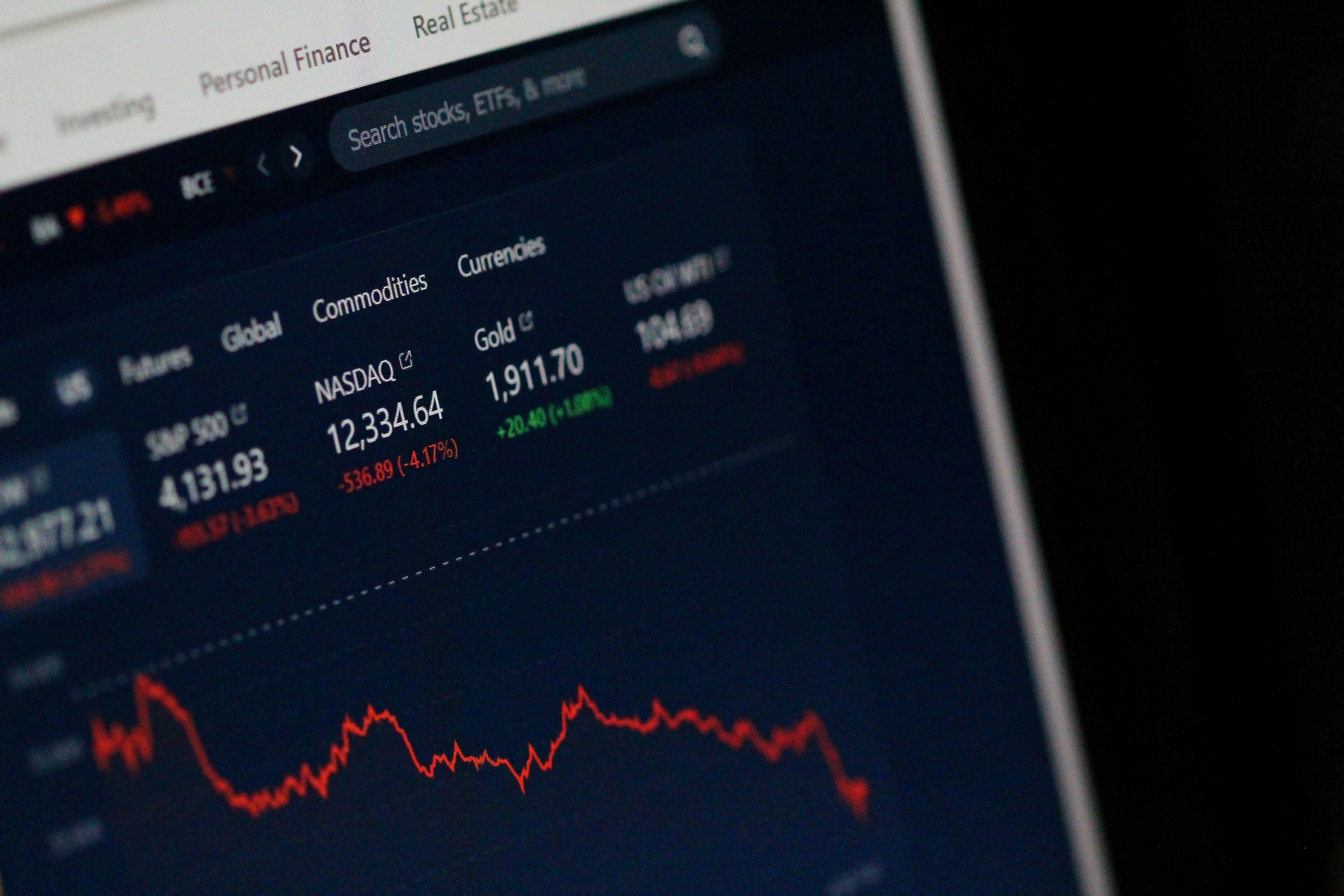
Understanding the Current Market Situation
The current market situation reflects a notable decline that has captured the attention of investors and stakeholders alike. Over recent months, various indices have experienced significant downturns, marking a shift in market sentiment. Several intertwined factors have contributed to this sharp decline, including macroeconomic conditions, geopolitical tensions, and unexpected shifts in consumer behavior.
Historically, markets have reached new heights fueled by a combination of robust economic indicators and positive corporate earnings. However, recent data reveal a departure from this trend. Economic indicators such as GDP growth rates have shown signs of stagnation, and inflation rates continue to pose challenges. Central banks’ policy responses are under scrutiny, as interest rate hikes intended to curb inflation may inadvertently stifle economic growth.
Moreover, geopolitical tensions, particularly in regions experiencing instability, have added an additional layer of uncertainty. Events that disrupt supply chains or lead to market speculation can trigger widespread sell-offs, further contributing to the decline. Additionally, sentiment within the market is heavily influenced by investor psychology, often leading to a cyclical nature of panic selling once negative news surfaces. This psychological aspect cannot be understated, as it often exacerbates declines beyond what fundamental factors may suggest.
Key data points from recent months reflect a declining trend across major stock indices. For instance, the S&P 500 and Dow Jones Industrial Average have both seen significant reductions from their respective highs. Furthermore, reports of lower consumer confidence and spending habits indicate a potential shift in market dynamics. Understanding these trends is essential for comprehending where the market stands and how it may evolve moving forward.
Global Market Capitalization: A Closer Look
Global market capitalization serves as a significant indicator of the overall health and performance of financial markets. Recently, a notable decline has brought market capitalization near or even below the $3.5 trillion threshold, drawing considerable attention from investors and analysts alike. This decline not only signals a tightening of investor confidence but also raises questions about the implications for economic stability and growth in the future.
Falling market capitalization often correlates with heightened market volatility and a cautious approach from investors. The connection between declining market valuation and investor sentiment is particularly evident during times of economic uncertainty. As market wealth diminishes, individuals and institutions may reassess their portfolios, leading to further sell-offs and exacerbating downward pressure on stock prices. It is essential to explore whether this current downturn reflects underlying fundamentals or is merely a reaction to external shocks.
In comparison to previous market downturns, the current climate bears resemblance to notable historical declines, such as the 2008 financial crisis and the market turbulence seen in early 2020 during the onset of the COVID-19 pandemic. Each of these periods witnessed sharp declines in market capitalization driven by a combination of economic malfeasance, market overvaluation, and unforeseen global events. Understanding the current drop requires examining sector-specific performance as well. Certain industries, such as technology and energy, have experienced significant contractions, while others, such as healthcare and consumer staples, have shown relative resilience.
Investors must analyze these trends carefully to navigate their decisions in the evolving market landscape. The implications of decreased market capitalization could span beyond short-term volatility, leading to long-term shifts in investment strategies and sector performance. As the world adapts to new economic realities, observing how markets react to ongoing developments will be crucial for stakeholders across all sectors.
Market Sentiment: Navigating Fear in Investment Decisions
Market sentiment plays a crucial role in shaping investment decisions, particularly during periods of economic uncertainty or sharp declines. Fear is a dominant emotion that often grips investors during downturns, leading to a general sense of panic and hesitation. This fear can stem from various sources, including economic indicators, market performance, and geopolitical events. As investors react to these factors, their decisions can amplify market volatility, creating a cycle where fear begets further decline.
The psychological elements of fear manifest in numerous ways, influencing trading behaviors and long-term investment strategies. Investors frequently consider the potential for loss over the possibility of gains, a bias that can lead to risk-averse actions. For instance, an investor may liquidate positions in a fearful attempt to avoid losses, thereby contributing to sell-offs that further depress market prices. This behavior often overlooks fundamental analysis and long-term potential, establishing a reactive rather than a proactive investment approach.
The media and social networks significantly influence market sentiment. Headlines that emphasize negative trends can exacerbate fears among investors, while commentary from market analysts may reinforce or challenge those feelings. The rapid dissemination of information across platforms can lead to herd behavior, where investors follow the actions of others rather than relying on their judgment. This interconnectedness can quickly escalate fear and uncertainty, prolonging recovery and potentially precipitating further declines.
While fear is a natural reaction in volatile markets, it is essential for investors to recognize its impact and strive for a balanced perspective. Awareness of psychological factors influencing behavior, along with critical analysis of market conditions, can help navigate these challenges. Ultimately, maintaining a focus on long-term objectives amidst fear can mitigate its adverse effects and support more informed decision-making during turbulent times.
Liquidations: The Impact of Large Sell-offs
The recent market landscape has been significantly affected by large-scale liquidations, with estimates suggesting that between $1.1 billion and $1.4 billion were liquidated within a mere 24-hour period. These sell-offs have become a critical focal point in analyzing market trends, particularly in times of heightened volatility. A variety of factors contribute to these substantial liquidations, notably the increased levels of leverage employed by traders, which can amplify losses during downturns, prompting a cascade of sell orders across various sectors.
One of the sectors most impacted by these liquidations is cryptocurrency, where rapid price swings can trigger margin calls leading to forced selling. The digital asset markets are particularly sensitive to news events and speculative trading, prompting a rush to liquidate positions when asset prices begin to decline sharply. Moreover, traditional equities have also witnessed significant liquidations, particularly in growth sectors that have previously enjoyed inflated valuations. These dynamics indicate a broader trend of risk aversion among investors, who may be seeking to minimize their exposure in uncertain environments.
The potential consequences of these liquidations extend beyond immediate financial losses. With such significant volumes being liquidated, market stability comes under threat, often leading to increased volatility and further triggering sell-offs. As investors assess market conditions and begin to adjust their strategies, the pressure on prices can create a feedback loop that dampens overall market sentiment. Additionally, these liquidations serve as a reflection of investor behavior, revealing a tendency toward panic selling amid market turbulence. This behavior can undermine confidence in a recovering market, making it imperative for stakeholders to closely examine the trends driving these significant liquidations.