
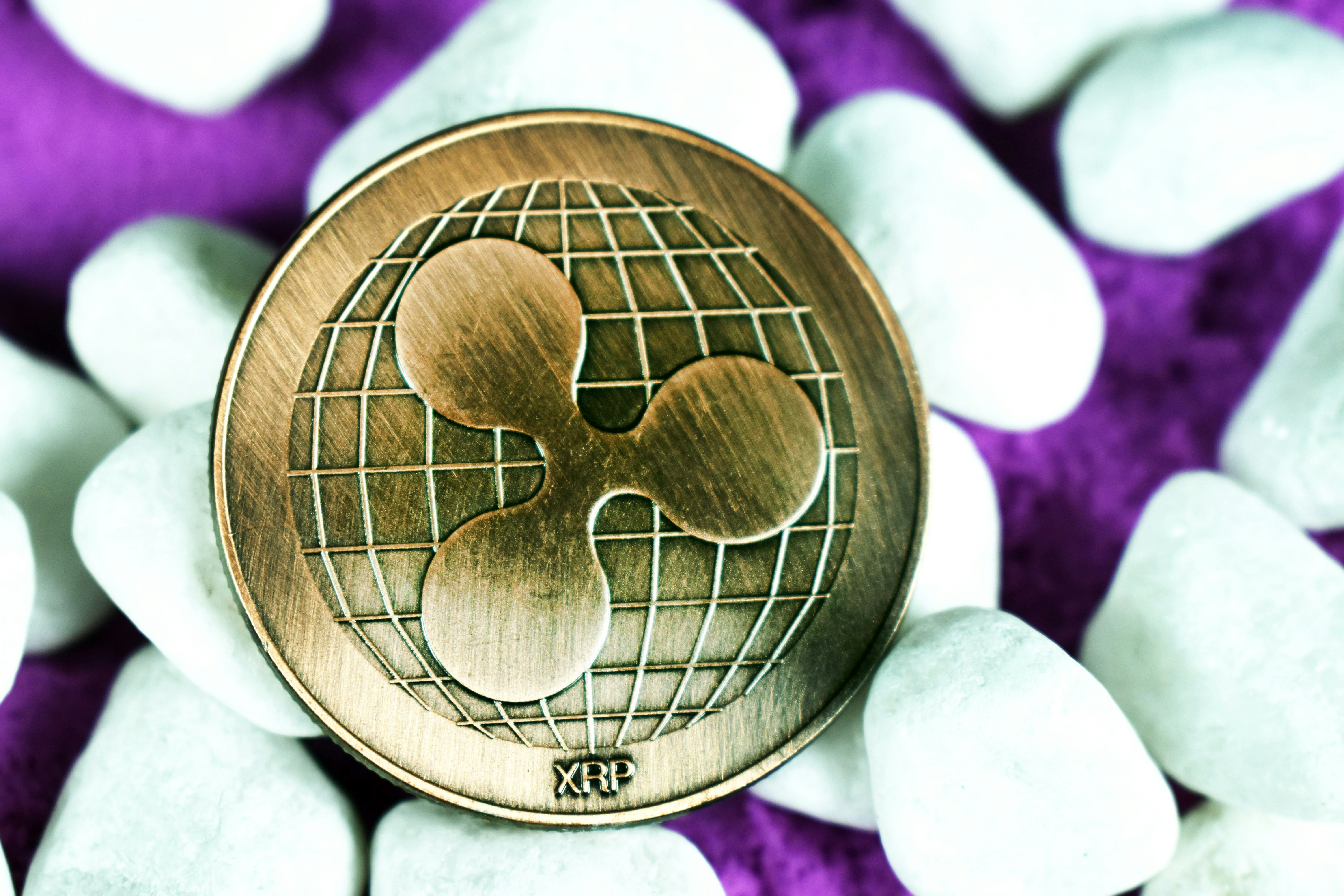
Introduction to XRP Coin
XRP Coin, which has garnered significant attention since its inception, is a digital asset designed primarily for use within the Ripple network. Ripple Labs, the company behind XRP, aims to facilitate secure, instant, and low-cost international money transfers. Unlike many cryptocurrencies that focus on decentralization and anonymity, XRP is engineered to serve as a bridge currency within financial institutions, providing liquidity and enabling seamless transactions across borders.
A distinct feature of XRP is its consensus algorithm, which differs significantly from traditional proof-of-work systems like those employed by Bitcoin and Ethereum. Instead of relying on miners to validate transactions, XRP utilizes a unique consensus protocol that engages a network of validators. This method not only enhances transaction speed but also drastically reduces the energy consumption associated with transaction verification, positioning XRP as an eco-friendly alternative within the crypto sphere.
Moreover, XRP has been designed with scalability in mind. The network can handle thousands of transactions per second, far surpassing the capabilities of most cryptocurrencies. This high throughput makes XRP an appealing option for financial institutions seeking to enhance their cross-border payment systems. Furthermore, with transaction fees typically less than a cent, Ripple’s technology presents a cost-effective solution for both individual users and banks.
Ripple Labs has forged partnerships with various financial institutions globally, underscoring XRP’s potential as a pivotal component in the evolution of the modern banking system. By aligning itself with established banks and payment providers, XRP seeks to bridge the gap between traditional finance and the burgeoning cryptocurrency market, emphasizing its utility as a tool to facilitate rapid and efficient transactions.
Recent Market Performance of XRP
In recent months, the XRP coin has exhibited a notable performance within the cryptocurrency market. Analyzing price trends from various exchanges reveals both upward movements and considerable volatility associated with XRP. Over the last quarter, XRP experienced fluctuations that reflect broader market sentiments influenced by external factors, regulatory developments, and overall investor behavior.
To provide insights, data from prominent cryptocurrency exchanges such as Binance and Coinbase indicates that XRP peaked at approximately $0.95 in mid-August. This increase was attributed to positive news surrounding Ripple Labs and its legal undertakings, which considerably boosted investor confidence. However, following this peak, a corrective phase ensued, causing the price to dip to about $0.75 by early September. Such fluctuations highlight the multifaceted nature of XRP’s market dynamics.
The subsequent weeks showcased a recovery, with XRP rising steadily to around $0.85 by late September. This upward trajectory was supported by increasing trading volumes, suggesting a growing interest from both retail and institutional investors. Additionally, social media sentiment analysis and market news outbreaks indicated a strengthening community around XRP, further contributing to its resurgence in price over this brief period.
Moreover, by October 2023, XRP’s price stabilized, maintaining levels close to $0.80. Market analysts attributed this stabilization to the overall consolidation within the cryptocurrency sector as traders assess the fallout from regulatory news and economic conditions. XRP’s resilience amid varying market conditions speaks to its potential as a prominent player in the digital asset space. As these trends evolve, monitoring XRP’s performance will be crucial for understanding its position in the cryptocurrency ecosystem.
Factors Influencing XRP’s Market Value
The market value of XRP, like many cryptocurrencies, is influenced by a myriad of factors that shape investor sentiment and trading behavior. One significant factor is regulatory news, which can create a ripple effect across the cryptocurrency market. Since XRP has faced various legal challenges, especially related to its classification as a security, developments in this area can lead to substantial market fluctuations. Positive regulatory news may boost confidence among investors, while unfavorable updates can trigger sell-offs.
Market sentiment plays a crucial role in determining XRP’s price. This sentiment is often swayed by broader cryptocurrency trends, influential market players, and social media discussions. For instance, a trend towards increasing adoption of blockchain technology in traditional finance may enhance interest in XRP as it aims to facilitate cross-border payments. Furthermore, investor reactions to price movements can create a feedback loop, where rising prices attract more investors, while falling prices may lead to panic selling.
Technological advancements within the XRP network also contribute to its market valuation. Ongoing improvements to the XRP Ledger, such as enhanced transaction speeds and scalability, can attract developers and businesses to build upon its framework, thus increasing demand for XRP tokens. Competition within the cryptocurrency space is another critical factor. As new digital currencies and financial solutions emerge, investors may reevaluate the potential of XRP in comparison to its rivals. This competitive landscape necessitates that XRP continuously innovates and presents compelling use cases to maintain its market position.
Experts in the cryptocurrency domain often reiterate the importance of these factors, suggesting that a deeper understanding of regulatory landscapes, technological trends, and market dynamics can equip investors with the insights needed to navigate the complexities of the XRP market effectively.
Legal Challenges and Their Impact on XRP
The XRP coin market has been notably influenced by ongoing legal challenges faced by Ripple Labs, particularly the lawsuit filed by the U.S. Securities and Exchange Commission (SEC) in December 2020. The SEC contends that XRP should be classified as a security, which has sparked extensive debate about the regulatory status of cryptocurrencies. This contention has significant implications not only for Ripple Labs but also for the broader cryptocurrency landscape.
The legal proceedings have resulted in heightened volatility for XRP’s market value. When news regarding the lawsuit—whether it be positive or negative—emerges, the effect on XRP’s price tends to be immediate and pronounced. For instance, favorable rulings for Ripple can lead to temporary spikes in investor confidence and subsequent price surges. Conversely, negative news or setbacks have often triggered sell-offs, causing rapid declines in market value. This reaction illustrates how closely intertwined the legal outcome is with the sentiment and decisions of investors within the XRP ecosystem.
In summary, the legal challenges faced by Ripple Labs, primarily the SEC lawsuit over the status of XRP, have had a significant impact on its market value and investor sentiment. As the legal landscape unfolds, it remains imperative to observe its lingering effects on the XRP coin market and the broader implications for cryptocurrency regulation as a whole.
XRP in Comparison to Other Cryptocurrencies
When analyzing the cryptocurrency market, XRP stands out when compared to established giants like Bitcoin and Ethereum. Each of these cryptocurrencies possesses unique technological foundations, use cases, and community perceptions, leading to distinct positions within the digital asset ecosystem.
XRP, developed by Ripple Labs, is fundamentally designed for facilitating fast and cost-effective cross-border transactions. Its consensus algorithm distinguishes it from Bitcoin, which relies on a proof-of-work mechanism. This difference results in significantly lower transaction times and fees for XRP, with transactions often settling in mere seconds compared to Bitcoin’s average settlement time of around ten minutes. Additionally, the scalability of the XRP Ledger supports a higher throughput, allowing it to accommodate more transactions per second than Bitcoin.
In terms of use cases, XRP primarily focuses on enhancing the speed and efficiency of international money transfers. This specific utility targets financial institutions, offering a practical solution to legacy systems that are often cumbersome and costly. On the other hand, Bitcoin is predominantly perceived as a store of value and digital gold, while Ethereum extends its functionality to support decentralized applications and smart contracts, broadening its appeal within different sectors.
In conclusion, the comparison of XRP with Bitcoin and Ethereum highlights the diverse functionalities and market positions of these cryptocurrencies. Each possesses unique strengths and challenges, contributing to a vibrant and evolving cryptocurrency landscape.
Future Predictions for XRP Market
The future of the XRP coin market remains a point of interest for investors and enthusiasts alike, fueled by various factors including regulatory developments, technological advancements, and market sentiment. Expert analysts are keeping a close eye on these elements as they assess the potential trajectory of XRP in the coming years. Notably, several forecasts suggest that the ongoing legal battles and regulatory clarity surrounding XRP will significantly influence its market performance.
Many experts believe that favorable rulings in ongoing litigation could catalyze a substantial price increase for XRP, as this would validate its status and operational framework within the cryptocurrency ecosystem. Should the courts provide clarity, it is anticipated that institutional interest in XRP will surge, bolstering its standing as a major player in both the payment solutions and remittance sectors. Consequently, the price could potentially experience a bullish trend, making it an attractive option for investors.
Additionally, technological improvements associated with the XRP Ledger continue to present new opportunities for growth. Developments such as increased transaction speeds, enhanced security protocols, and the integration of smart contracts could solidify XRP’s competitive advantage. Analysts predict that if the Ripple network successfully implements these enhancements, it could attract more users and businesses, further driving demand for the coin.
However, it is essential to acknowledge that market volatility presents both risks and opportunities. Predictions based on historical performance may not always guarantee future outcomes. Economic conditions, investor psychology, and the global regulatory environment can all create unpredictable challenges that impact the XRP market. Therefore, while there are optimistic forecasts regarding XRP’s future, potential investors should remain cognizant of the various factors that could affect its performance moving forward.
Investment Strategies for XRP
Investing in the XRP coin market requires a comprehensive approach that incorporates various strategies tailored to individual risk appetites and market conditions. One of the primary strategies involves effective risk management, allowing investors to mitigate potential losses while maximizing gains. A well-defined risk management strategy includes setting stop-loss orders, which automatically trigger when XRP reaches a specified price level, thus protecting the investor’s capital against unfavorable movements.
Another crucial aspect of investing in XRP is identifying ideal market entry and exit points. Technical analysis tools, such as moving averages and support and resistance levels, can help investors gauge the best times to buy or sell. For instance, entering the market during a price correction can provide advantageous buying opportunities, while recognizing overbought conditions may signal an opportune moment to take profits. It is essential to remain vigilant and adapt strategies based on ongoing market developments.
Investors must also choose between long-term holding and short-term trading tactics. Long-term holding, often referred to as “HODLing,” appeals to those who believe in the fundamental strength of XRP and anticipate its value appreciation over time. This strategy requires patience and a strong conviction in the cryptocurrency’s underlying technology and its role within the broader financial ecosystem.
Conversely, short-term trading often involves capitalizing on price fluctuations within a shorter timeframe. This approach demands a keen understanding of market trends and the ability to respond quickly to changes. Traders may utilize various indicators, such as the Relative Strength Index (RSI) or Moving Average Convergence Divergence (MACD), to inform their decisions. While both strategies have their merits, the choice between long-term holding and short-term trading ultimately depends on the individual investor’s objectives and risk tolerance.
Community and Ecosystem Developments
The XRP coin market has witnessed significant momentum in recent years, primarily driven by a robust community and various ecosystem developments. The XRP Ledger and the associated community initiatives have played a crucial role in fostering the cryptocurrency’s growth. One of the major strengths of XRP lies in its dedicated user base, which collaborates to address pressing challenges and share innovative use cases across diverse sectors.
Partnerships have emerged as a cornerstone strategy for driving the adoption of XRP in mainstream finance. Ripple Labs, the company behind XRP, has formed strategic alliances with banks, financial institutions, and payment service providers worldwide. These collaborations enhance the liquidity and efficiency of cross-border transactions, positioning XRP as a practical cryptocurrency for real-world applications. As a result, institutions are increasingly recognizing XRP’s potential to streamline operations and reduce transaction costs.
Moreover, the XRP community has been proactive in supporting various initiatives that aim to advance the adoption of the cryptocurrency. Events such as hackathons and workshops encourage developers and entrepreneurs to create innovative solutions utilizing the XRP Ledger. This heightened interest leads to the development of new applications that widen the usability of XRP in finance and beyond.
The use of XRP in real-world financial transactions is another critical aspect of its ecosystem. From remittances to payment processing, the cryptocurrency is being seamlessly integrated into existing financial frameworks. Additionally, investment in regulatory compliance and educational initiatives has helped demystify XRP for both users and enterprises. By fostering an informed user base, the community strengthens the overall market position of XRP while ensuring it remains adaptable to regulatory changes.
Ultimately, the continued community engagement and strategic partnerships not only contribute to the resilience of the XRP ecosystem but also signify a promising outlook for its future growth and adoption.
Conclusion and Key Takeaways
The XRP coin market has exhibited considerable fluctuations and developments over recent months, significantly impacting its position within the broader cryptocurrency landscape. Key insights discussed throughout this blog post indicate that XRP continues to navigate a complex regulatory environment, which plays a crucial role in its market performance. As stakeholders and investors analyze these regulatory dynamics, they must also consider the ongoing legal proceedings that have defined XRP’s journey in recent years.
Market trends reveal a growing interest in XRP among investors, particularly due to its unique value proposition as a digital asset aimed at facilitating cross-border payments. Various technological advancements and partnerships have also contributed to bolstering XRP’s credibility and utility, showcasing its potential to address the inefficiencies present in the traditional financial system. The emphasis on scalability and speed positions XRP favorably compared to other cryptocurrencies that focus on undefined use cases or slower transaction times.
It is essential for those interested in the XRP market to stay informed about ongoing developments, including any potential regulatory changes and market sentiment shifts. The fluctuating nature of cryptocurrency markets makes it imperative for investors to conduct thorough research, ideally focusing on both quantitative data and qualitative insights. As the market evolves, stakeholder engagement and strategic partnerships will likely dictate XRP’s trajectory, making due diligence a critical component of investment strategy. Ultimately, navigating the current state of the XRP market requires a nuanced understanding of its complexities and potential opportunities, allowing investors to position themselves effectively in this dynamic landscape.