
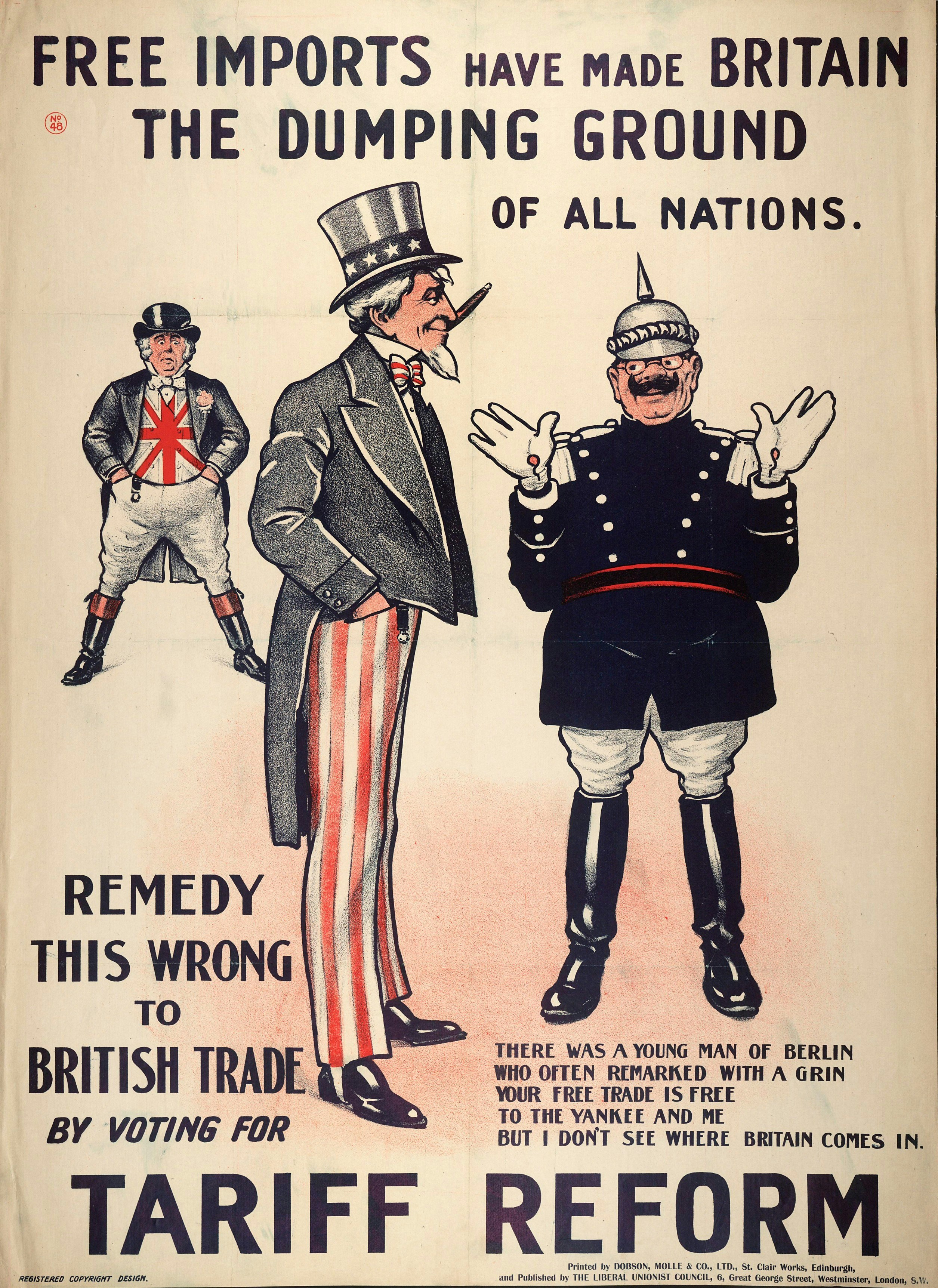
Background of U.S.-Canada Relations
The relationship between the United States and Canada is one of the most significant and enduring bilateral partnerships in the world, characterized by deep economic ties, shared cultural values, and collaborative diplomatic efforts. Historically, this relationship has evolved through various key agreements and frameworks aimed at fostering trade and ensuring mutual security. The 1846 Oregon Treaty, for instance, established a border along the 49th parallel, laying the groundwork for peaceful relations between the two nations. Over the years, various trade agreements were formed, with the North American Free Trade Agreement (NAFTA) in 1994 marking a pivotal moment in their economic interactions.
Trade between Canada and the United States has flourished, making Canada one of the largest trading partners for the U.S. and vice versa. The trade relationship spans a broad range of sectors, including natural resources, agriculture, and manufacturing. Recent data indicates that both countries engage in over a billion dollars in trade daily, showcasing the importance of this partnership for their respective economies. Additionally, the United States-Mexico-Canada Agreement (USMCA), which replaced NAFTA in 2020, further reinforces this interdependence by updating rules around trade practices and labor standards.
Despite the largely cooperative nature of U.S.-Canada relations, both nations have occasionally faced challenges that tested their partnership. Issues such as softwood lumber tariffs, climate agreements, and differing foreign policies have led to tensions at various times. However, the entities have continuously worked to resolve these conflicts through dialogue and negotiation, further solidifying their long-standing alliance. The recent diplomatic engagement involving Prime Minister Mark Carney and President Trump signifies the importance of addressing emerging challenges in the context of historical collaboration.
The Political Ad Controversy
The political ad controversy surrounding the recent tariff impositions by the U.S. government has ignited widespread discussions within both Canada and the United States. This advertisement aimed specifically at opposing these tariffs sparked significant backlash, revealing the complex interplay between media influence, public opinion, and international trade relations. The ad, which depicted the negative consequences of the tariffs on Canadian goods, was designed to rally support against what many perceived as unfair trade practices. However, it inadvertently provoked a significant political fallout.
Prime Minister Mark Carney’s subsequent apology highlighted the unintended implications of the ad. His gesture was not only a response to diplomatic tensions but also an acknowledgment of the sensitivities involved in U.S.-Canada economic diplomacy. The political motivation behind producing the ad was deeply rooted in a desire to protect Canadian interests, yet its portrayal in the media raised questions about national unity and the delicate nature of bilateral relations. Critics argued that the ad risked alienating American partners and jeopardizing existing trade frameworks.
The media’s portrayal of the ad added another layer of complexity to the incident. Different outlets adopted varied perspectives, shaping public reactions across Canada. Some viewers supported the ad’s sentiment, believing it to be a necessary stand against perceived economic aggression, while others contended it damaged the cooperative spirit typically found in U.S.-Canada trade relations. This dichotomy reflects broader issues within economic diplomacy, especially as both nations navigate a landscape increasingly influenced by populism and protectionist sentiments.
Ultimately, the controversy surrounding the political ad encapsulates the fragile dynamics of U.S.-Canada relations. It serves as a reminder of the significant role that communication and public perception play in political discourse, particularly when economic policies are at stake.
Prime Minister Mark Carney’s Apology
In a significant display of diplomatic engagement, Prime Minister Mark Carney recently issued an apology to U.S. President Donald Trump. This gesture comes in the wake of escalating tensions between the two nations and serves as a crucial attempt to recalibrate the relationship at a time when trade discussions are at a critical juncture. The timing of the apology, strategically positioned amidst ongoing negotiations, suggests an awareness of the delicate balance required in international relations.
The tone of Prime Minister Carney’s apology was notably conciliatory, characterized by a recognition of past grievances that may have strained U.S.-Canada relations. By acknowledging specific concerns raised by the U.S. regarding trade imbalances and tariffs, Carney aimed to foster goodwill and promote a collaborative atmosphere during discussions. This approach not only underscores the importance of diplomacy but also reflects a broader commitment to finding common ground between the two nations.
Reactions to the apology from various stakeholders have been mixed. Canadian political leaders generally welcomed the move, viewing it as a necessary step toward mending ties with the United States. Conversely, some members of the business community expressed skepticism, questioning whether an apology could effectively influence the underlying dynamics of trade negotiations. The public response has also varied; while some citizens appreciate the gesture as a sign of responsible governance, others interpret it as a capitulation to external pressures.
Looking ahead, the implications of Carney’s apology for future negotiations are substantial. By taking this diplomatic step, Prime Minister Carney has not only set a tone of cooperation but has also potentially opened avenues for more constructive dialogue. The nature of U.S.-Canada relations may evolve as both nations navigate their respective agendas, signaling a possible shift towards more amicable interactions in the realm of trade and beyond.
The Future of Trade Talks
The current status of trade talks between Canada and the United States reflects a complex interplay of diplomatic relations and economic considerations. Following a notable apology from Mark Carney, the Governor of the Bank of England, President Trump has indicated a willingness to engage in renewed negotiations. Carney’s comments, which were interpreted as an acknowledgment of previous tensions, may serve as a catalyst for recalibrating the previously strained trade relationship.
Experts suggest that the upcoming months are crucial for both countries to address outstanding tariffs and other pressing trade issues. Analysts are closely monitoring Trump’s administration, as it seeks to leverage this apology to bolster negotiations with Canada. The potential for dialogue on tariffs, particularly those impacting the aluminum and steel sectors, is significant. Many industry stakeholders are hopeful that trade discussions could pave the way for accords favoring both nations.
Public sentiment also plays a crucial role in shaping trade negotiations. Recent surveys indicate a growing concern among Americans regarding the impacts of tariffs on consumer prices, while Canadians are wary of economic repercussions arising from ongoing disputes. As both governments weigh public opinion, it is likely that this will influence the tone and direction of future negotiations. The relationship between Canada and the U.S. is deeply intertwined, and shifts in political winds could rapidly alter the trade landscape.
Looking ahead, both nations could benefit from a collaborative approach to resolve pending trade issues. Engaging industry experts, economists, and public representatives in the dialogue could help fine-tune agreements that reflect the economic interests of both countries. Thus, as trade talks resume, a focus on constructive engagement and mutual benefits will be paramount in fostering a healthier economic relationship between Canada and the United States.