
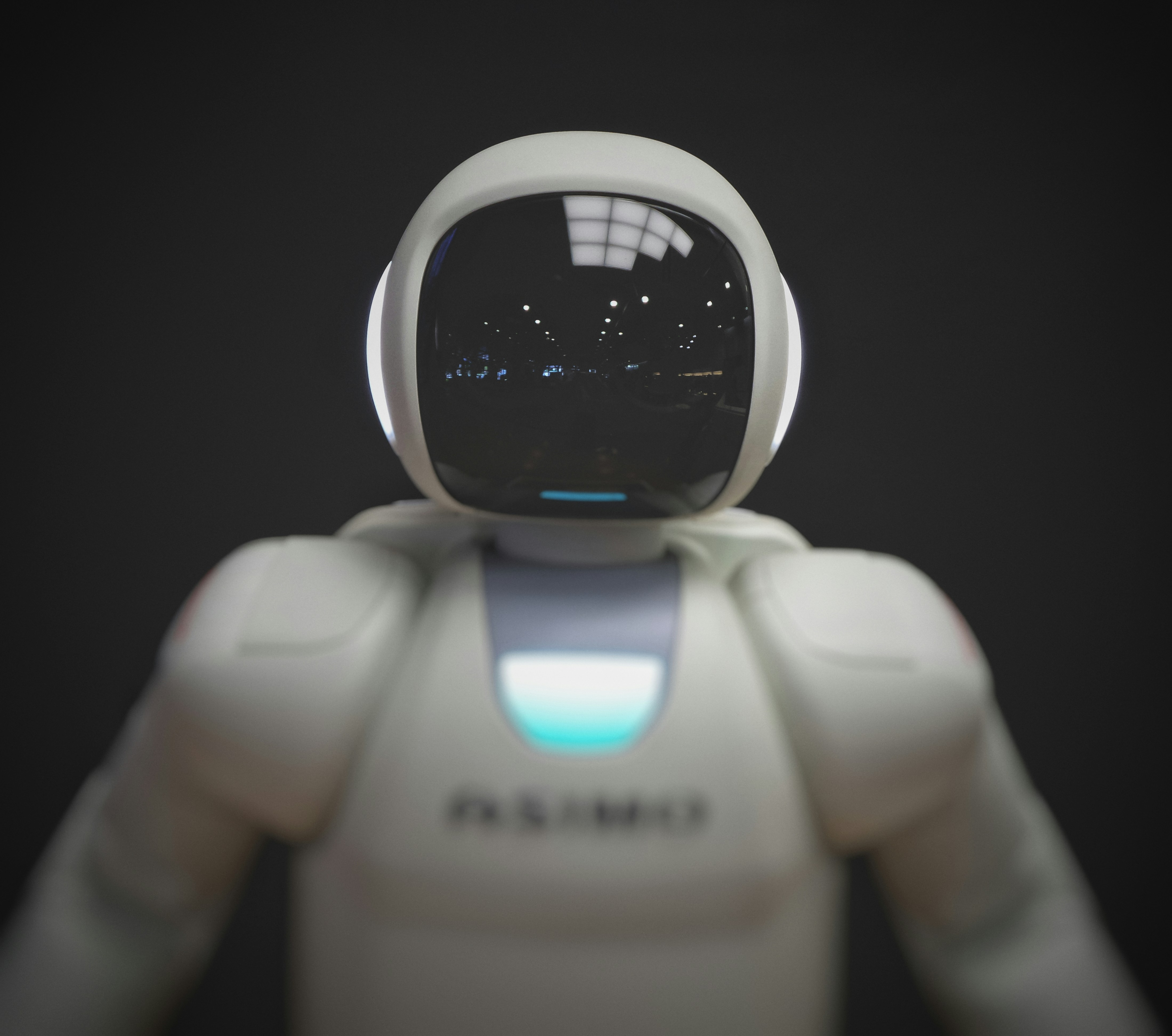
Introduction to Optimus: Tesla’s Humanoid Robot
Optimus, Tesla’s highly anticipated humanoid robot, represents a significant leap forward in the realm of robotics and artificial intelligence. Unveiled amidst groundbreaking innovations, Optimus is designed to perform various tasks traditionally conducted by human workers. This project aligns with Tesla’s overarching objective of integrating advanced technology to enhance efficiency and productivity across multiple sectors. The development of Optimus signifies a commitment not only to technological advancement but also to addressing larger societal issues such as poverty.
At its core, Optimus integrates Tesla’s expertise in machine learning, neural networks, and robotics. Its design is reminiscent of human bodily structure, comprising arms, legs, and even facial recognition capabilities. This physical resemblance allows the robot to navigate environments designed for humans, thus facilitating versatile applications. Equipped with powerful sensors and AI-driven decision-making abilities, Optimus can process information and adapt to its surroundings, making it a potential game-changer in areas such as manufacturing, transportation, and caregiving.
Elon Musk’s vision for Optimus extends beyond mere automation. He aspires to create a robot that can alleviate mundane tasks, ultimately liberating individuals to engage in more creative and productive activities. This ambition reflects Musk’s broader philosophical stance on technology as a means of enhancing human potential and addressing existential challenges. By envisioning a future where advanced robotics work alongside humans, Musk aims to harness the power of technology to improve living standards and contribute to poverty eradication. The quest for an intricate balance between human labor and robotic assistance is at the heart of Tesla’s innovative endeavors.
Elon Musk’s Claims on Poverty Eradication
Elon Musk, a prominent figure in technological advancement, has articulated a bold vision surrounding the potential for Tesla’s humanoid robot, Optimus, to significantly impact global poverty levels. During various presentations and interviews, Musk has declared that the widespread deployment of humanoid robots can transform traditional workplaces, enhancing productivity and increasing the efficiency of numerous sectors. Such advancements, he contends, are essential in creating a more equitable society where basic needs can be met.
Musk envisions a future where robots like Optimus are not merely tools but integral components of the workforce. By performing labor-intensive tasks, these humanoid robots could alleviate the burden on human workers, allowing individuals to pursue creative and strategic endeavors. Musk’s assertion rests on the premise that as productivity increases, the overall economic environment will flourish, resulting in higher job creation and the establishment of new industries. The ripple effect of this technological evolution, according to Musk, may extend to addressing widespread socio-economic issues, thereby contributing to the eradication of poverty.
Potential Impact of Optimus on Global Economy
The introduction of Tesla’s humanoid robot, Optimus, represents a significant potential paradigm shift within the global economy. Automation has been at the forefront of industrial evolution, and the implementation of humanoid robots like Optimus may accelerate this trend. By seamlessly integrating into various sectors, Optimus could optimize productivity and efficiency, ultimately influencing economic output on a monumental scale.
Industries such as manufacturing, logistics, and healthcare could particularly benefit from the deployment of these advanced robots. For instance, in manufacturing, Optimus could take on repetitive tasks, allowing human workers to focus on more complex and creative endeavors. This transition could lead to an increase in overall productivity, potentially enhancing product quality and driving down costs, thus creating a favorable environment for economic growth. Additionally, in logistics, the use of Optimus for tasks like sorting and delivery could streamline operations and reduce reliance on human labor for menial tasks.
However, the shift towards automation raises critical concerns regarding job displacement. As Optimus and other robots take over traditional roles, many workers may face unemployment or the need for reskilling. To mitigate these challenges, society must implement strategic measures to support transitioning workers. This may include promoting education and training programs that equip individuals with skills aligned with emerging job opportunities in a tech-driven economy.
Engaging in public discourse about the ethical implementation of robotic technology will also be essential. Policymakers will need to establish frameworks that ensure the responsible use of such technologies, prioritizing the welfare of the workforce while enabling economic advancement. Ultimately, the potential impact of Optimus on the global economy is profound, with the possibility of fostering growth while necessitating a managed transition for the workforce.
Challenges and Criticisms of Musk’s Vision
The aspirational vision put forth by Elon Musk regarding Tesla’s humanoid robot, Optimus, aims to leverage advanced automation to alleviate poverty. However, this promising idea is not without its detractors and challenges. One of the primary concerns pertains to the technological feasibility of widespread robot deployment. While advancements in artificial intelligence and robotics are substantial, the practical implementation of humanoid robots in various sectors, particularly low-skilled labor, presents significant technical hurdles. Developing robots that can perform complex tasks in dynamic environments with a high degree of reliability is a challenge that needs addressing before any claims of poverty eradication can be taken seriously.
Another layer of complexity surrounds regulatory hurdles. Governments around the world must consider the implications of introducing such advanced technology into the labor market. Regulations related to labor rights, safety standards, and ethical usage of robots in society need to be established and enforced. Furthermore, given the disruptive nature of automation, there are legitimate concerns regarding job displacement. The transition towards a robot-enabled workforce may lead to social unrest, which could undermine Musk’s objective of enhancing human welfare through technology.
Public perception also plays a crucial role in shaping the future of such innovations. Skepticism from both the general populace and experts is notable, with many economists questioning the practicality of such grandiose claims. The narrative that robots can completely eradicate poverty simplifies a multifaceted issue that involves economic, social, and political elements. Skeptics argue that while automation can certainly improve efficiency, it cannot independently resolve the deep-rooted issues associated with poverty, such as access to education, healthcare, and social mobility.
In conclusion, while Elon Musk’s vision of deploying Tesla’s humanoid robot Optimus to combat poverty is ambitious, the technological, regulatory, and social challenges present significant barriers. A critical assessment of these challenges is essential for any realistic evaluation of the potential for automation to contribute meaningfully to poverty alleviation.