
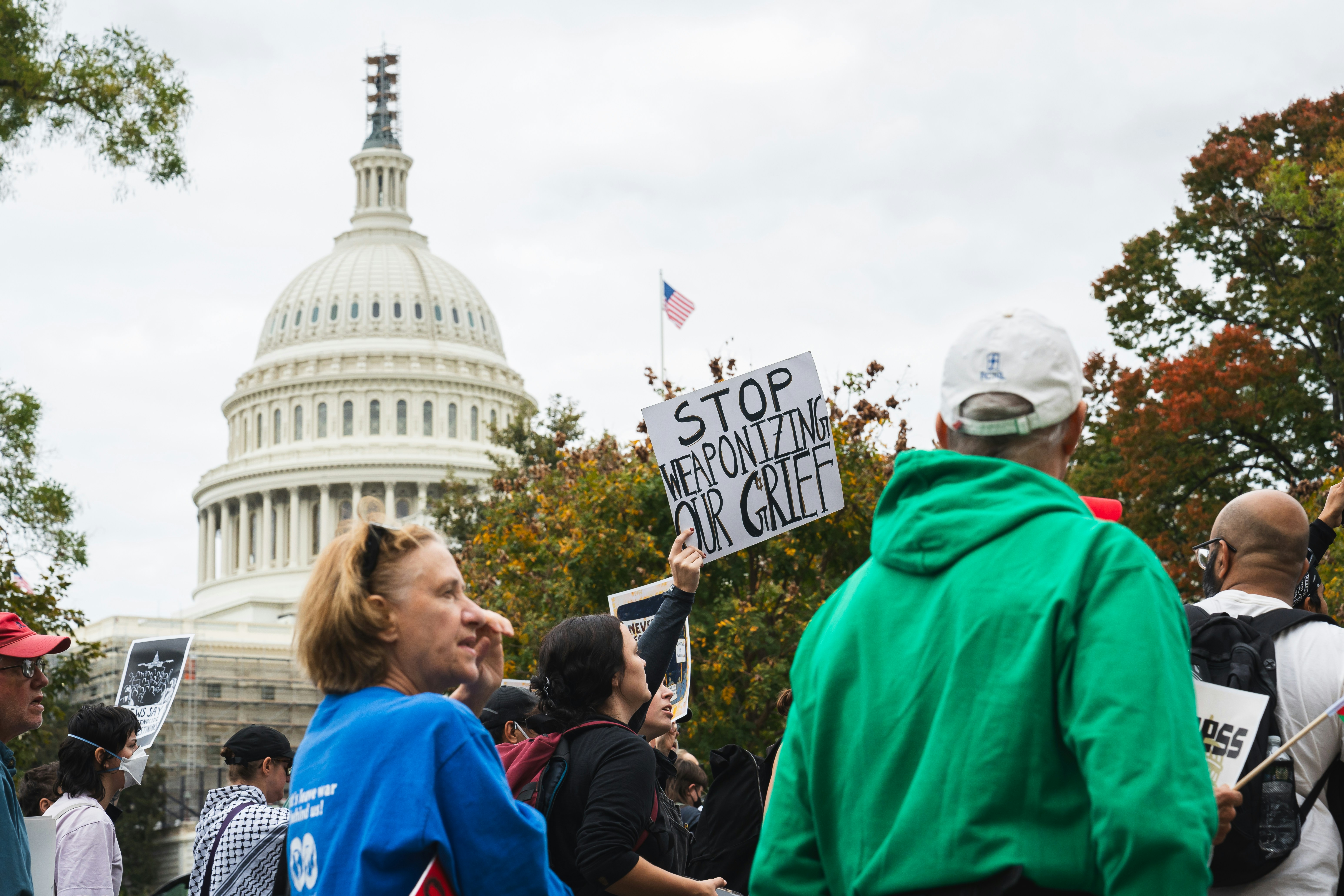
Understanding the Government Shutdown
A government shutdown occurs when non-essential discretionary federal programs are temporarily halted due to a lack of funding. This scenario typically arises when Congress fails to pass sufficient appropriations bills or a continuing resolution, which leads to a standstill in government operations. During such a shutdown, generally, federal employees are either furloughed or required to work without pay, which disrupts not only their income but also the normal functioning of government agencies and services.
The implications of a government shutdown extend beyond the workforce; they have significant effects on essential services as well. While certain areas, such as national security and public safety, maintain operation due to their essential nature, other services can experience significant delays or closure. This often results in public inconvenience and economic repercussions, including negative impacts on federal contracts and local businesses that depend on government transactions.
The most recent government shutdown, which lasted for a record 43 days, underscored the severity and far-reaching implications of such events in the United States. This prolonged cessation of government activity marked the longest shutdown in the nation’s history, drawing attention to both the political stalemate that precipitated it and the various sectors adversely affected. From national parks to public health services, the shutdown’s consequences were felt across multiple dimensions of public life. As legislators grappled with budget negotiations, the fallout from the shutdown illustrated the intricate balance required to maintain government operations while addressing fiscal responsibilities.
Understanding the mechanics of a government shutdown is crucial for grasping the broader implications on federal operations, as well as recognizing how deeply intertwined government funding is with the daily lives of citizens. Keeping these elements in mind helps to navigate future conversations about governmental budgetary decisions and their aftermath.
Key Developments During the Shutdown
The 43-day government shutdown, which commenced on October 1, 2025, led to numerous significant developments impacting various sectors of the United States. Firstly, the economy faced notable repercussions as federal spending was halted, affecting both public and private sectors. Essential services were disrupted, causing delays in government operations. The shutdown also resulted in a substantial loss of income for numerous federal employees, with reports indicating that approximately 800,000 workers were either furloughed or forced to work without pay. This financial uncertainty prompted various relief efforts from both non-profit organizations and state governments to provide temporary support for affected families.
Moreover, public response to the shutdown varied widely. Citizen discontent grew as the weeks progressed, particularly related to the suspension of federal services such as national parks and federal benefits. Advocacy groups capitalized on this sentiment, rallying public support for a swift resolution to the impasse. As public opinion pressed for a compromise, calls for transparency in the decision-making process intensified, leading to demands from constituents for their representatives to act decisively and collaboratively to resolve the budget deadlock.
Throughout the shutdown, ongoing negotiations in Congress were characterized by heated debates and differing priorities between political parties. Despite facing criticism, leaders continued to engage in discussions to find viable solutions for funding the federal government sustainably. Complicating matters, both sides struggled to reconcile their differences regarding budget allocations on key issues, such as healthcare, education funding, and national defense, which added further delays to the negotiation process. While some progress was made, the path to overcoming the stalemate remained fraught with challenges, highlighting the complexities of governmental negotiations in times of crisis.
The Temporary Spending Bill and Its Implications
The temporary spending bill, often referred to as a continuing resolution (CR), plays a crucial role in maintaining federal operations during periods when a formal budget has not been enacted. Signed by President Donald Trump, the primary objective of the bill is to provide immediate funding to various government departments, ensuring that essential services continue without disruption. This specific spending bill will remain in effect for a predetermined duration, typically ranging from a few weeks to several months, depending on the negotiations surrounding it.
This particular spending bill allocates federal funding to key areas such as defense, education, and healthcare, aiming to sustain vital programs and services that millions of Americans rely on. Notably, the bill may include provisions that address specific sectors, such as disaster relief funding or support for other critical initiatives. However, these measures often come attached with stipulations, which could include spending limits or requirements for further negotiations among lawmakers.
The implications of this temporary measure extend beyond immediate funding needs. It often acts as a stopgap solution, setting the stage for future discussions regarding the government’s budgetary priorities. Lawmakers may use this time to negotiate funding levels for various departments or assess the overall fiscal health of the nation. Furthermore, the existence of a CR can lead to increased tensions among political factions, as differing views on spending may complicate future budgets. Continuous reliance on temporary measures may hinder long-term planning and efficiency across federal departments, creating an atmosphere of uncertainty regarding government operations.
In light of these factors, the implications of the temporary spending bill are significant for both current operations and future funding negotiations. As lawmakers navigate the complexities of fiscal responsibility, understanding this temporary measure’s dynamics becomes essential for anticipating future government actions and policies.
Looking Forward: What’s Next for Federal Employees and the Government
The conclusion of the government shutdown marks a significant turning point for federal employees and the broader operations of government. With hundreds of thousands of civil servants returning to work, agencies are now tasked with promptly reinstating functions that were suspended during the shutdown. The process of transitioning back to regular operations may entail a preliminary assessment to gauge the backlog of work and adjust priorities accordingly. Employees will not only need to catch up on delayed tasks but may also have to navigate changes in policies or directives that may have emerged during the shutdown.
As the government resumes its functions, it is essential to recognize the challenges that lie ahead. Budget negotiations remain a primary concern. Federal agencies will likely need to secure funding to address any financial gaps that resulted from the shutdown. This situation may prompt discussions about the allocation of resources, leading to potential conflicts among stakeholders within the political landscape. Recognizing the delicate nature of these negotiations, it is crucial for federal employees to stay informed about developments and be prepared for possible shifts in project funding and priorities.
In addition to budgetary challenges, ongoing public service reform debates are anticipated. The public, along with various advocacy groups, may push for improvements and efficiency within government operations. These discussions can affect the stability of government functions, prompting agencies to adopt new strategies to modernize and optimize their operations effectively. Moreover, the overall political climate plays an influential role in shaping the future of federal services. With the potential for future shutdowns looming, it is critical for civil servants to stay knowledgeable about the situation and involved in dialogues concerning governmental accountability and effectiveness.
You might also like:
- Experience the Magic of Christmas Village at Love Park in Philadelphia
- XRP Coin Market Today: Insights and Trends
- Tokyo’s Response to China’s Travel Warning: A Diplomatic Perspective
- An In-Depth Look at the Japanese Financial Market Today
- Excitement Builds for the North London Derby: Arsenal vs. Tottenham