
Historical Context of China-Japan Relations
The relationship between China and Japan has a long and complex history, shaped by a series of pivotal events that have fostered both cooperation and conflict. One of the most significant periods in this relationship was during World War II when Japanese forces invaded China, leading to brutal confrontations and widespread suffering. The Second Sino-Japanese War (1937-1945) cultivated deep-seated resentment, as atrocities such as the Nanjing Massacre became emblematic of this turbulent era. This war left a lasting scar on the Chinese collective memory and created a foundation for the prevailing animosities.
Following World War II, the dynamics between China and Japan transitioned as Japan underwent significant economic reconstruction, ultimately evolving into a global economic powerhouse. In contrast, China’s political landscape was reshaped by the establishment of the People’s Republic of China in 1949 and its subsequent socialist transformations. Despite these changes, territorial disputes—specifically regarding the Senkaku Islands—have persisted, exacerbating the tensions between the two nations. These islands, which are claimed by both countries, have become symbolic of unresolved issues in their bilateral relations.
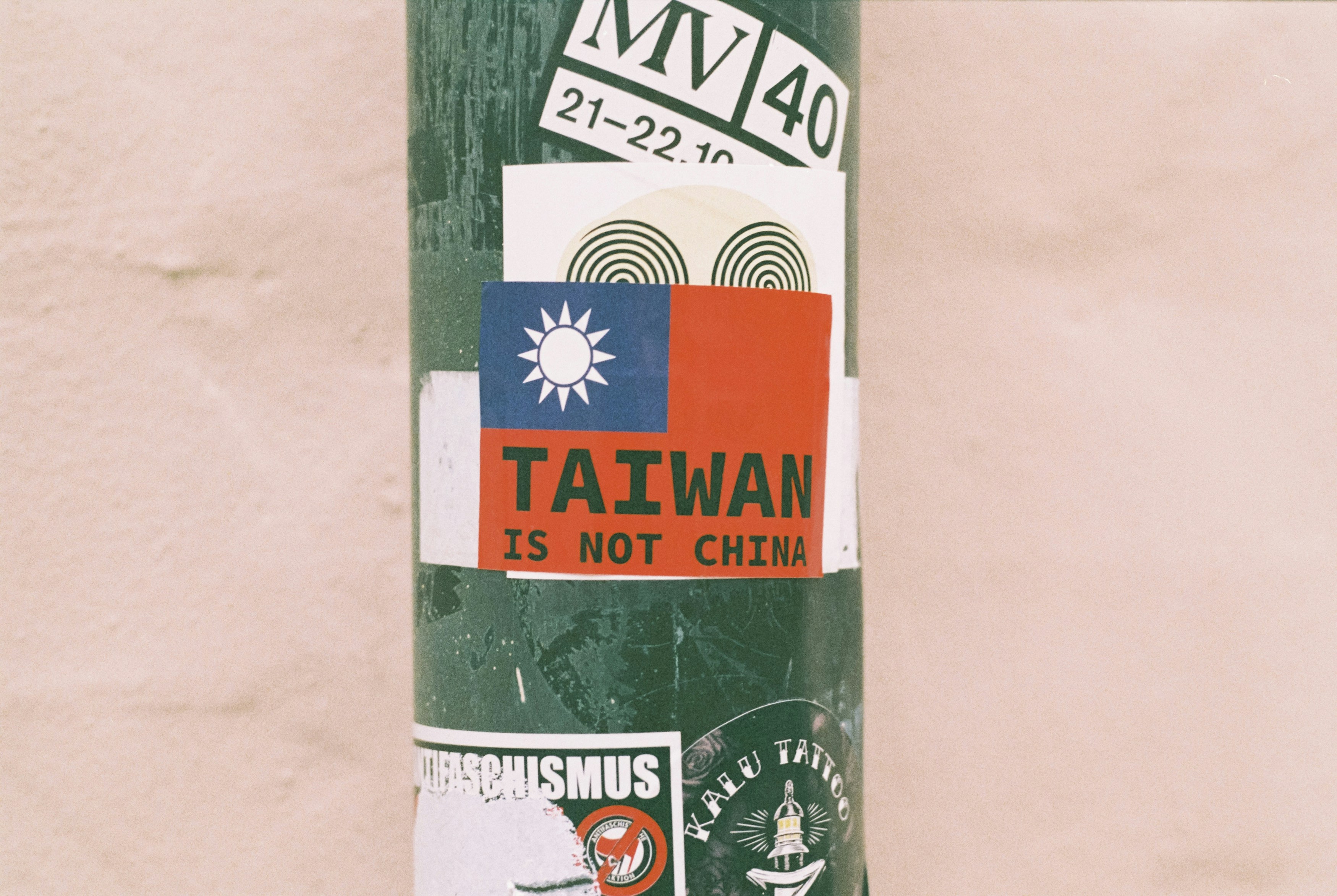
Moreover, Japan’s economic interactions with China cannot be overlooked. Japan has been one of China’s largest trading partners and investors, fostering a complex interdependence that adds layers to their relations. However, nationalist sentiments in both countries often flare up, hindering diplomatic efforts. The evolution of Taiwan’s status further complicates the relationship; considered by China as a breakaway province, Taiwan’s growing ties with Japan pose additional challenges to Sino-Japanese relations. The struggle for recognition and sovereignty continues to be a flashpoint, reflecting historical grievances that echo into the present day.
Recent Developments in China-Japan-Taiwan Relations
The recent remarks made by the Japanese Prime Minister regarding Taiwan have significantly escalated tensions in the already complex triangle of China-Japan-Taiwan relations. During a press conference, the Prime Minister expressed unwavering support for Taiwan, highlighting Japan’s commitment to regional stability and democratic values. This statement was met with immediate backlash from Chinese officials, who condemned Japan’s stance as an interference in China’s internal affairs. Such remarks underscore the delicate balance of diplomatic relations in the Asia-Pacific region.
In response to Japan’s supportive comments towards Taiwan, China summoned the Japanese ambassador to express its strong objections. The Chinese government not only voiced its displeasure but also issued travel advisories warning Chinese citizens about potential risks in Japan. This severe diplomatic maneuver demonstrates China’s resolute stance on the Taiwan issue, which it regards as a core national interest. The summoning of ambassadors serves as a tool for China to communicate its dissatisfaction while sending a broader message to the international community regarding its territorial claims.
The Implications of U.S. Arms Sales to Taiwan
The recent U.S. arms sales to Taiwan have sparked significant concern among regional stakeholders, notably China and Japan. China’s government has explicitly warned against these sales, indicating that they represent a crossing of a ‘red line’ which could exacerbate tensions in the already volatile situation surrounding Taiwan. The consequences of such arms transactions extend beyond just the immediate military implications, seeping into the broader framework of regional security dynamics in East Asia.
From a Chinese perspective, U.S. arms sales to Taiwan are viewed as a blatant intervention in what Beijing considers internal affairs. China has reiterated its commitment to reclaiming Taiwan, and the enhancement of Taiwan’s defense capabilities could embolden Taiwanese independence movements, provoking a more aggressive stance from Beijing. This situation ultimately raises questions about the stability of the Taiwan Strait, a key maritime corridor that is vital for international trade, particularly for Japan. As Taiwan strengthens its defenses, Japan may feel compelled to bolster its own military readiness as a countermeasure, thereby shifting security dynamics in the region.
Japan’s position in this scenario is particularly complex. Historically, Japan has maintained a pacifist constitution, yet the potential for increased military tensions in East Asia could force a reassessment of its security policy. Japan may perceive the U.S. arms sales to Taiwan as not only a safeguard for Taiwan but also for its own national security. The ramifications of these sales may, thus, trigger a reevaluation of Japan’s defense strategy, leading to greater military cooperation with the U.S. and increase regional military engagement.
Ultimately, U.S. arms sales to Taiwan carry significant implications for U.S.-China relations, straining the already tenuous diplomatic ties. The balancing act that both Japan and the U.S. must maintain in minimizing tensions while ensuring that Taiwan is adequately supported illustrates the intricate nature of East Asian geopolitics amidst a changing power landscape.
Future Outlook and Potential Resolutions
The complex relationship among China, Japan, and Taiwan presents a multifaceted challenge with significant implications for regional stability. As tensions continue to fluctuate, the future outlook hinges on a myriad of factors, including diplomatic engagements, domestic politics, and the influence of external stakeholders, particularly the United States and other regional powers. The likelihood of further escalation cannot be disregarded; however, there is also a viable pathway towards constructive diplomacy.
Diplomatically, both Japan and Taiwan have emphasized the importance of dialogue in addressing their issues with China. For instance, Japan has pursued a clear but cautious policy in its dealings with China, focusing on enhancing its defense capabilities while also advocating for collaboration on economic and environmental fronts. Similarly, Taiwan’s approach to fostering international partnerships and participation in global organizations can strengthen its position as a key player in regional affairs and may encourage a more coherent response from other nations. Stakeholders such as the U.S. play a pivotal role in mediating these developments through strategic alliances, enhancing military presence in the region while promoting dialogue to ensure de-escalation.
Moreover, addressing public sentiment is crucial in all three nations. The perceptions and opinions of citizens can greatly influence governmental priorities and negotiations. Therefore, initiatives aimed at promoting mutual understanding through cultural exchanges and joint programs could help ameliorate tensions. Government outreach programs that emphasize economic collaboration, joint disaster response, and shared regional security concerns may pave the way for more constructive engagement between China, Japan, and Taiwan.
In conclusion, while the potential for further escalation in China-Japan-Taiwan relations remains, the prospect of diplomatic resolutions also exists. Through collaborative efforts engaged by governmental and non-governmental entities, greater understanding and cooperation can be achieved. Establishing open lines of communication and fostering mutual interests are essential steps towards a peaceful and stable future in the region.