
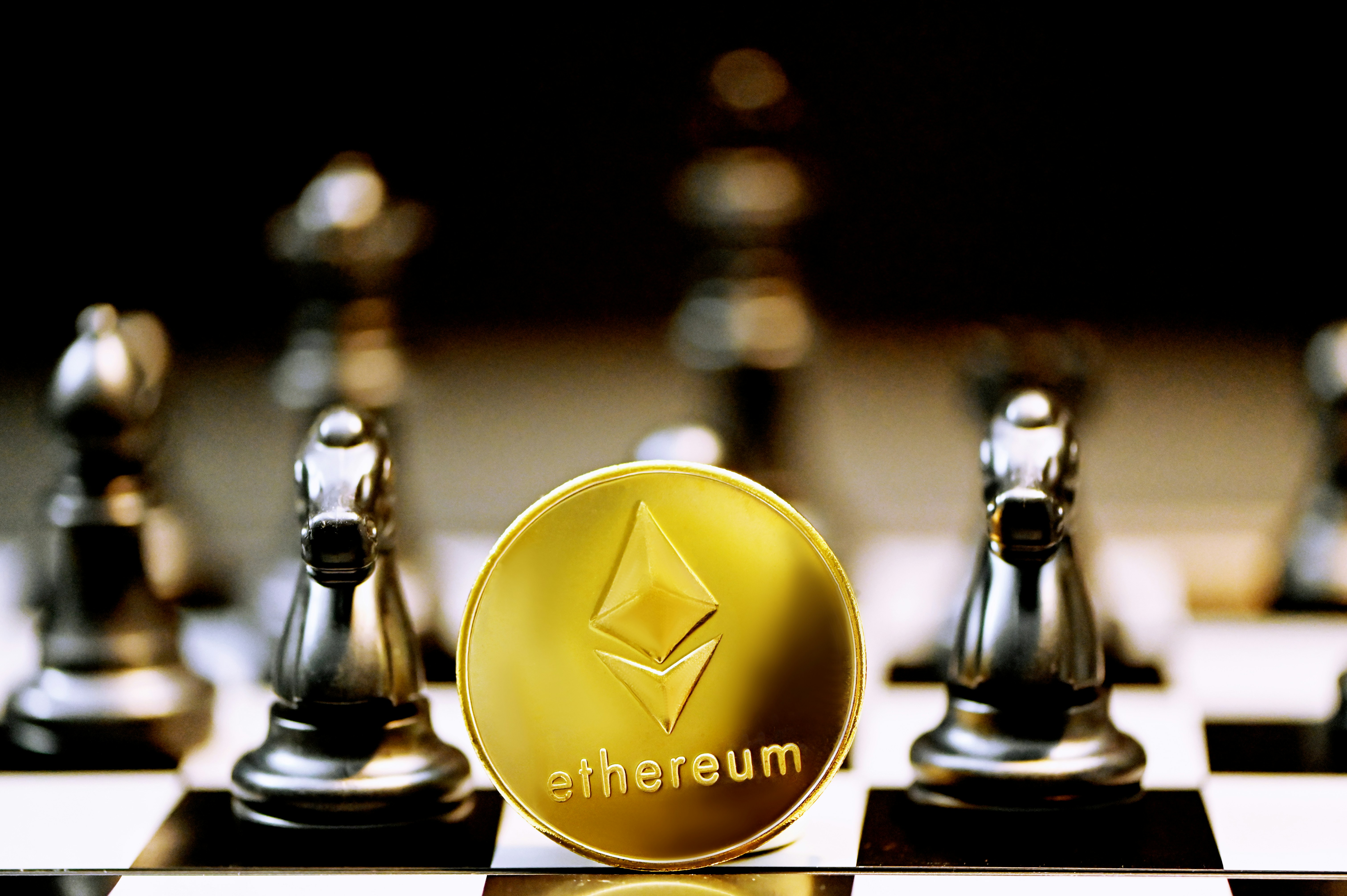
Introduction to Ethereum
Ethereum, which was conceptualized in 2013 by a group led by Vitalik Buterin, officially launched on July 30, 2015. It emerged as a groundbreaking decentralized platform that extended the capabilities of blockchain technology beyond mere cryptocurrency transactions. The fundamental innovation behind Ethereum is the introduction of smart contracts, self-executing agreements with the terms of the contract directly written into code. This allows for a range of applications to function autonomously, significantly enhancing operational efficiency and trust among users.
The core philosophy of Ethereum revolves around decentralization and democratization. Unlike traditional banking systems or centralized cryptocurrency platforms, Ethereum operates through a global network of nodes, making it less vulnerable to systemic risks and fraud. Developers can create decentralized applications (dApps) on its blockchain, which broadens the horizon for various sectors including finance, gaming, and supply chain management. As a result, Ethereum has positioned itself as a vital player in the blockchain landscape.
One of the most significant aspects of Ethereum is its native currency, Ether (ETH). This cryptocurrency is used not only as a means of exchange but also facilitates transactions and interactions within the Ethereum ecosystem, powering various applications and services. As Ethereum evolves—particularly with ongoing upgrades aimed at improving scalability and reducing transaction fees—it continues to attract attention from investors, developers, and users alike.
In the context of Ethereum’s current state, understanding its underlying principles and functionality is critical. This foundational knowledge will serve as a basis for exploring the recent market dynamics, including price volatility, adoption rates, and the impact of regulatory developments on this influential platform.
Current Price Trends
As of October 2023, Ethereum (ETH) has been experiencing notable price fluctuations, reflecting the dynamics of the broader cryptocurrency market. At present, the price of ETH hovers around $2,500, a significant indicator of market demand and investor sentiment. Recent trends show that Ethereum’s value has rebounded from its lows earlier in the year, demonstrating a robust recovery powered by increased interest from institutional investors and retail participants alike.
To better understand the current pricing, examining historical patterns is essential. In the past six months, Ethereum has recorded several peaks and troughs, notably reaching an all-time high of approximately $4,800 in late 2021. Subsequent corrections, largely a response to changes in regulatory frameworks and macroeconomic factors, saw Ethereum’s price fall below $2,000 at times. However, the recent trend indicates a steadier upward trajectory, attributed to renewed interest in decentralized finance (DeFi) applications and non-fungible tokens (NFTs) built on the Ethereum blockchain.
Market volatility remains a characteristic feature of cryptocurrency trading, influenced by various factors including speculative trading behaviors and fluctuations in trading volumes. The trading volume of Ethereum has surged in recent weeks, indicating heightened activity and suggesting increased market confidence. This uptick can be linked to numerous factors, such as increasing global adoption of cryptocurrencies and improvements in the technological infrastructure surrounding Ethereum, notably the transition towards Ethereum 2.0 and the implementation of layer-2 scaling solutions.
In summary, Ethereum’s current price movements are shaped by a convergence of historical trends and current market dynamics. Observers and investors alike will continue to monitor the intricacies of supply and demand, alongside macroeconomic trends, as these will play pivotal roles in determining Ethereum’s future pricing directions.
Major Factors Influencing Ethereum’s Market
The Ethereum market today remains subject to various influences that shape its performance and valuation. Primarily, regulatory changes play a significant role in establishing the framework within which Ethereum operates. Heightened scrutiny from global regulatory bodies concerning cryptocurrencies may herald restrictions that could affect trading activities and the legitimacy of Ethereum as a decentralized platform. These regulations can lead to fluctuating levels of investor confidence, impacting overall market dynamics.
Moreover, technological advancements within the Ethereum ecosystem, particularly upgrades like Ethereum 2.0, are fundamental in determining the market performance of ETH. Enhancements aimed at improving scalability, security, and efficiency typically draw interest from developers and investors alike. As the transition from proof-of-work to proof-of-stake progresses, it may significantly alter the supply side dynamics of Ethereum, ultimately influencing market prices. This unique evolution aids in establishing Ethereum as a pivotal player in the broader blockchain landscape.
Macroeconomic conditions also exert considerable influence over Ethereum’s market dynamics. For instance, rising inflation, interest rates, and equity market volatility may compel investors to reconsider their asset allocations, resulting in significant movements between cryptocurrencies and traditional investments. The interdependence between Ethereum’s value and prevailing economic factors necessitates continuous attention to external economic indicators, which may dictate shifts in investor sentiment.
Finally, market sentiment encapsulates the collective psychological factors driving investor behavior. News cycles, social media trends, and public perceptions regarding Ethereum can lead to rapid fluctuations in demand. Social sentiment can sway decision-making processes, creating periods of intense speculation or renewed confidence amongst investors. Understanding these varying influences helps to paint a comprehensive picture of Ethereum’s market, as they collectively determine its supply and demand dynamics.
Comparison with Competitors
As of October 2023, Ethereum continues to maintain a significant position in the competitive landscape of blockchain platforms. Its primary competitors include Binance Smart Chain, Solana, and Cardano, each of which offers distinct technological advantages and market strategies that appeal to a wide range of developers and users.
Binance Smart Chain (BSC) has positioned itself as a formidable alternative to Ethereum, boasting lower transaction fees and faster confirmation times. BSC achieves this efficiency by employing a different consensus mechanism, namely Proof of Staked Authority (PoSA), which allows for a more centralized form of governance. This makes BSC attractive for decentralized finance (DeFi) projects aiming for rapid deployment; however, the trade-off comes in terms of decentralization and security, raising concerns among developers who prioritize these aspects. Ethereum’s ongoing transition to Ethereum 2.0 aims to address scalability and energy efficiency while retaining its decentralized ethos, solidifying its long-term vision.
Solana has emerged as a strong contender, renowned for its high throughput and unparalleled speed, capable of processing thousands of transactions per second. This performance has made Solana a go-to choice for applications requiring high speed and low latency, though it has faced scrutiny for its relative lack of decentralization. The network’s architecture leverages a unique consensus mechanism known as Proof of History (PoH), which enhances efficiency but raises questions about long-term security. In contrast, Ethereum’s robust development ecosystem remains a key strength, supported by a large community of developers and a vast array of decentralized applications (dApps).
Cardano differentiates itself through its rigorous academic approach to blockchain development and its emphasis on sustainability. The platform employs a research-driven methodology, which contributes to its slower rollout of features compared to Ethereum. However, Cardano’s emphasis on security and scalability positions it well for future growth as it continues to evolve. Overall, while Ethereum faces stiff competition from its peers, its unique blend of decentralization, community support, and ongoing development efforts bolster its standing in the blockchain arena.
Impact of Recent Developments
Ethereum, as one of the leading blockchain platforms, has been significantly influenced by a variety of recent developments over the past months. One of the most major changes is the implementation of Ethereum 2.0, a long-awaited upgrade aimed at improving the network’s efficiency and scalability. This shift from a proof-of-work to a proof-of-stake consensus mechanism is set to enhance transaction speeds while simultaneously reducing energy consumption. As the transition progresses, it is expected to bolster investor confidence, directly impacting market valuation.
Furthermore, the governance of Ethereum has witnessed changes that deserve attention. With the growing influence of decentralized autonomous organizations (DAOs), the community is seeing a more participatory approach to decision-making. This trend promotes transparency and inclusivity, which can positively affect the overall sentiment among developers and users alike. As stakeholders gain a more active role, the impact on Ethereum’s price dynamics could be substantial, especially if collaborative decisions lead to successful implementations.
In recent months, notable partnerships have also surfaced, enhancing Ethereum’s footprint in the blockchain space. Collaborations with various enterprises and blockchain projects have facilitated the expansion of decentralized finance (DeFi) applications on Ethereum’s network. The rise of DeFi has enabled users to access innovative financial services without intermediaries, creating a surge in demand for the Ethereum token (ETH). These projects not only contribute to an increased transaction volume but also attract new users, thus further influencing market perceptions.
Overall, these developments have the potential to reshape the landscape of Ethereum significantly. With Ethereum 2.0’s advantages becoming increasingly evident and collaborative governance garnering interest, the future for this blockchain platform appears promising. As the DeFi movement continues to grow, it will be critical to monitor these factors and their impact on market valuation.
Investment Strategies for Ethereum
The evolving landscape of the Ethereum market necessitates the adoption of robust investment strategies tailored to individual risk appetites and financial goals. Investors may choose between long-term and short-term investments, each offering distinct advantages and challenges. Long-term investment in Ethereum typically involves holding the asset for an extended period, capitalizing on its potential for substantial growth. This strategy is often predicated on the belief in Ethereum’s underlying technology, such as smart contracts and decentralized applications, which continue to gain traction across industries.
Conversely, short-term investments focus on capitalizing on price fluctuations and market volatility, often utilizing techniques such as day trading or swing trading. This approach necessitates a keen understanding of market trends and access to real-time data, enabling investors to swiftly respond to changing circumstances. However, it is accompanied by increased risks, as the market can be unpredictable in the short time frames involved.
Another effective strategy is dollar-cost averaging (DCA), wherein investors allocate a fixed sum to purchase Ethereum at regular intervals. This approach mitigates the impact of volatility by spreading the investment over time, potentially lowering the average purchase price. DCA also encourages disciplined investing, which can be vital in a fluctuating market.
Effective risk management techniques are crucial regardless of the chosen strategy. Implementing stop-loss orders or diversifying one’s investment portfolio can help preserve capital and reduce the adverse effects of market downturns. Additionally, maintaining a robust knowledge base regarding Ethereum’s market trends is essential for informed decision-making. Staying updated on developments within the blockchain ecosystem and regulatory landscapes can enhance an investor’s ability to navigate this dynamic market. By employing these strategies, potential investors can approach the Ethereum market today with greater confidence and purpose.
Role of NFTs and DeFi in Ethereum’s Market
The Ethereum blockchain has emerged as a cornerstone for two significant sectors within the cryptocurrency ecosystem: Non-Fungible Tokens (NFTs) and Decentralized Finance (DeFi). This dual role has not only revolutionized how digital assets are created, traded, and utilized but has also increased the overall demand for Ether (ETH), the native currency of the Ethereum network. As NFTs gained popularity, their unique characteristics transformed ownership and provenance in the digital realm, facilitating transactions that were previously unfeasible. The creation and sale of NFTs often require payment in ETH, resulting in heightened demand for this cryptocurrency, thus impacting its market dynamics.
Furthermore, the DeFi sector has introduced a new paradigm for financial services by utilizing smart contracts on the Ethereum blockchain to eliminate intermediaries. Through decentralized lending platforms, yield farming, and liquidity pools, DeFi enables individuals to access financial products in a more democratized manner. As more users engage with these platforms, the need for ETH increases, reinforcing its value as transactions and collateral within these systems primarily occur in ETH. The innovative DeFi protocols and applications being built on Ethereum only serve to enhance its utility and appeal, thereby drawing more participants into the market.
The intersection of NFTs and DeFi also creates unique opportunities for crossover applications, such as collateralizing NFTs for loans or enabling fractional ownership of digital assets. These developments underscore the versatility of Ethereum as a platform capable of supporting a wide range of financial instruments and digital collectibles. In essence, the integration of NFTs and DeFi on the Ethereum network not only boosts the demand for ETH but also solidifies Ethereum’s status as a leading blockchain in the cryptocurrency market.
Future Outlook for Ethereum
The future of Ethereum, as the leading smart contract platform, presents a blend of optimism and caution influenced by various factors. Expert predictions suggest that Ethereum could see significant growth due to the increasing adoption of decentralized applications (dApps) and the integration of blockchain technology into traditional sectors. Moreover, the anticipated upgrades, including the much-discussed Ethereum 2.0 transition, are expected to enhance its scalability, security, and sustainability, providing a robust framework for future development.
However, Ethereum faces several challenges that could hinder its progress. One critical issue is scalability. As more users join the network, the demand for transaction processing has surged. Solutions such as sharding and layer 2 scaling, notably optimistic rollups and zk-rollups, are in play to alleviate congestion and improve transaction speed. The effectiveness of these solutions in real-world applications will significantly impact Ethereum’s operational efficiency and user experience.
Moreover, competition from alternative platforms, such as Binance Smart Chain, Solana, and Polkadot, has intensified. These competitors often provide faster transaction times and lower fees, attracting developers seeking to create cost-effective dApps. The ability of Ethereum to retain its position in the face of such competition will largely depend on its capacity to innovate and adapt while maintaining a vibrant developer ecosystem.
Key indicators to monitor include the volume of decentralized finance (DeFi) applications and non-fungible tokens (NFTs) being built on the Ethereum blockchain, as well as transaction fees and network congestion levels. Additionally, regulatory developments in the blockchain space and broader economic conditions will play a pivotal role in shaping the market dynamics. In conclusion, while the future of Ethereum appears promising, it will require strategic responses to the challenges and opportunities that arise in this dynamic environment.
Conclusion and Final Thoughts
In analyzing the Ethereum market today, it becomes apparent that several significant factors play critical roles in shaping its price dynamics and market positioning. The intricacies of supply and demand dynamics, the impact of technological advancements, regulatory developments, and external market conditions are pivotal in understanding Ethereum’s movement in the broader cryptocurrency landscape. These elements not only influence market sentiment but also dictate the underlying factors that investors and traders must consider when engaging with Ethereum.
It is essential for participants in the Ethereum market to remain informed about these aspects. Staying updated with the latest news, such as changes in regulatory frameworks or technological innovations regarding Ethereum’s blockchain, can greatly affect investment strategies. Additionally, acting on informed insights rather than reacting impulsively to market fluctuations is crucial for navigating this often volatile environment. Understanding the nature of Ethereum, particularly its transition to a proof-of-stake consensus mechanism, also enhances one’s investment acumen by providing context for current and future price movements.
Moreover, awareness of market sentiment, driven by community discussions and developments, can serve as a bellwether for potential Ethereum price action. Engaging with knowledgeable resources, such as reputable blockchain analysis platforms and market reports, will empower investors to make sound decisions rather than rely solely on speculation. Overall, a comprehensive understanding of the multifaceted nature of the Ethereum market is vital for anyone looking to invest and make informed decisions within this dynamic sector.
Continuing to enhance one’s knowledge surrounding Ethereum, its technological landscape, and ever-evolving market conditions is a prudent approach for both novice and seasoned investors alike. By doing so, individuals can position themselves to navigate the complexities of the Ethereum market with greater confidence and insight.
You might also like:
- An Overview of the United States of America: History, Diversity, and Global Influence
- Navigating the Turbulent Waters of Altcoins and Market Trends
- Escalating Tensions: Trump and Greene’s Public Dispute
- Escalating US-Venezuela Tensions: A Closer Look
- The Weeknd: Guinness World Records’ Most Popular Artist