
Overview of European Market Performance
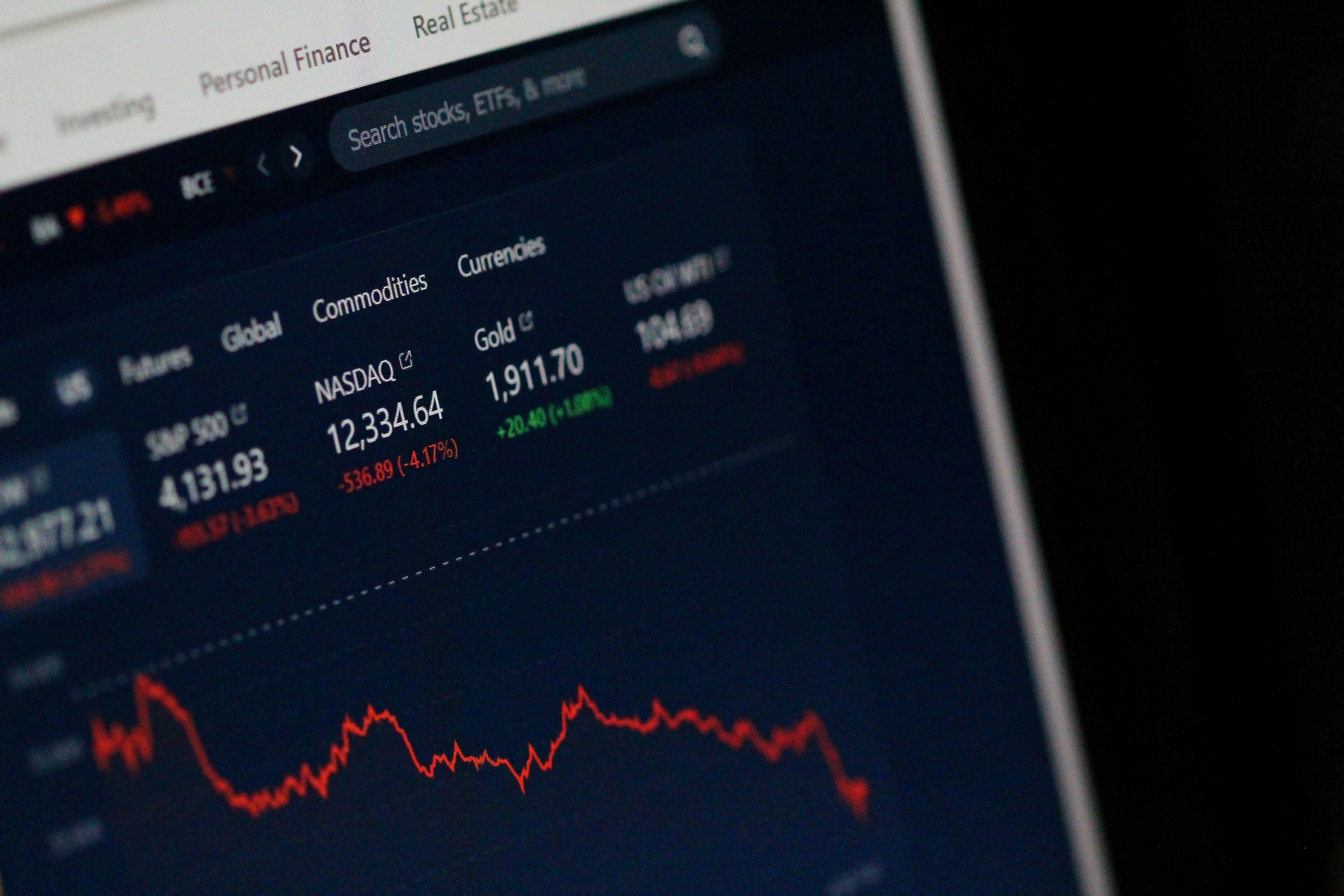
On December 16, 2025, the European markets experienced noteworthy declines, reflected prominently in major indices such as the FTSE 100 in London and Germany’s DAX 40. The overall performance within the European financial landscape was marred by a combination of adverse economic indicators and shifting investor sentiment, which contributed to a climate of uncertainty across the region.
The FTSE 100, representative of the largest companies listed on the London Stock Exchange, witnessed a significant drop, underscoring declining confidence among investors. This loss was compounded by fears surrounding inflationary pressures and rising interest rates, which have historically contributed to challenging conditions for equity markets. Similarly, Germany’s DAX 40 index, which encapsulates the performance of the leading German companies, mirrored this trend with a steep decrease, reflecting underlying concerns regarding slowing economic growth rates within the Eurozone.
Several factors played a role in shaping the current market sentiment. Global economic conditions, notably the waning momentum in key economies, exaggerated investor anxieties regarding the sustainability of recent economic recovery. Additionally, geopolitical tensions further strained the market, as uncertainty around trade policies and political stability in certain regions prompted a cautious approach from investors. This atmosphere of volatility fostered a protective stance among market participants, leading many to withdraw from risky investments in favor of more stable assets.
Thus, the declines seen in European markets on December 16, 2025, can be associated with a broader context of economic challenges, marked by both internal fiscal policies and external geopolitical concerns. It is imperative to understand these dynamics to grasp the shifts in investor behavior that have been witnessed in recent weeks.
Detailed Analysis of the FTSE 100
The FTSE 100 index, which represents 100 of the largest companies listed on the London Stock Exchange, experienced a noteworthy decline on December 16, 2025, falling from 9,751.31 to 9,679.42. This decrease of 71.89 points, or approximately 0.74%, raised concerns among investors as it highlighted persistent volatility within the European markets. A closer examination of sector performances reveals that a significant contributor to this downturn was the notable weakness in the financial services and energy sectors.
In the financial sector, several prominent banks reported lower-than-expected quarterly earnings due to rising interest rates and increasing consumer debt, which undermined investor confidence. Similarly, the energy sector faced pressures from fluctuating crude oil prices, exacerbated by geopolitical tensions in the Middle East that disrupted supply chains and raised production costs. Such factors indeed contributed to stocks within these sectors underperforming against broader market trends.
Furthermore, market psychology plays a crucial role in shaping the FTSE 100’s performance. On this particular day, there were heightened concerns regarding inflation rates as well, which intensified investor uncertainty. Negative speculation regarding upcoming economic policies from the UK government compounded this situation, leading to a broader sell-off across various sectors. Major corporations, such as BP and HSBC, witnessed significant stock price drops, contributing to the overall decline of the index.
When contrasting the index’s current performance with previous trading days, it is evident that the FTSE 100 has been on a downward trajectory since early December. For instance, just a week prior, the index hovered around 9,800 points, indicating a downward shift in market sentiment. This stark contrast underscores the impact of external and internal factors influencing market performance, emphasizing the delicate balance that governs investor decisions in this environment.
Germany’s DAX 40 Performance Breakdown
On December 16, 2025, Germany’s DAX 40 index experienced a notable decline, dropping from 24,229.91 to 24,076.87. This substantial decrease can be attributed to various factors aligned with the broader economic landscape. One of the primary contributors to this downturn was the release of recent economic reports indicating sluggish growth in key sectors of the German economy. The manufacturing sector, a cornerstone of Germany’s economic strength, has shown signs of contraction, leading to concerns about overall economic stability.
Another significant influence on the DAX 40 was the performance of major German corporations. Companies like Siemens and Volkswagen faced challenges related to supply chain disruptions and increased production costs, which affected investor sentiment and led to stock sell-offs. The automotive industry, in particular, has been grappling with the transition towards electric vehicles, incurring substantial investment that has not yet yielded anticipated returns. This situation undermines investor confidence and has cascading effects on the overall index.
Externally, trade relations within the European Union and beyond have also played a critical role in shaping the market’s trajectory. Ongoing trade negotiations and uncertainties surrounding tariffs have created a shaky environment for businesses, further contributing to volatility in the DAX 40. For instance, any changes in trade policies with the United States or China could lead to significant repercussions, considering Germany’s reliance on exports.
As investors monitor these developments, the DAX 40’s decline serves as a reminder of the interconnected nature of global markets. The confluence of domestic challenges and international relations raises questions about the index’s short-term recovery and the long-term outlook for Germany’s economy. Balancing these factors will be crucial for any potential rebound in the DAX 40, emphasizing the need for continued observation of industry trends and economic indicators moving forward.
Implications for Future Market Trends
The recent downturn in European markets, as reflected on December 16, 2025, poses significant implications for the trajectory of future market trends. Analysts suggest that the convergence of various economic indicators, including inflation rates and geopolitical tensions, could shape market environments in the near and distant future. Investors may need to adjust their portfolios in response to these evolving circumstances, which are critical for informed market participation.
Historical data provide a useful framework for understanding potential future developments. For example, previous market declines have often been followed by periods of recovery, although the length and strength of such recoveries can vary greatly. Current economic indicators, such as consumer confidence and manufacturing output, will play crucial roles in determining whether the markets can expect a swift rebound or a more prolonged struggle. As these factors develop, they can serve as a guide for forecasting the direction of European markets.
Furthermore, investor strategies are likely to evolve in light of these challenges. With declining market performance, strategies may shift towards more conservative investment options, such as government bonds and defensive stocks, which are typically less volatile. Some investors could also seek alternative opportunities, including diversifying their portfolios to include non-European equities or exploring emerging markets that possess more favorable growth prospects.
In considering both short-term and long-term investments, it is crucial for investors to remain vigilant and adaptive to the unfolding market conditions. Understanding the implications of the current market downturn will provide insight into potential future movements and help refine investment decisions amidst uncertainty. Maintaining flexibility and staying informed could ultimately lead to stronger performance in the European market landscape moving forward.





