
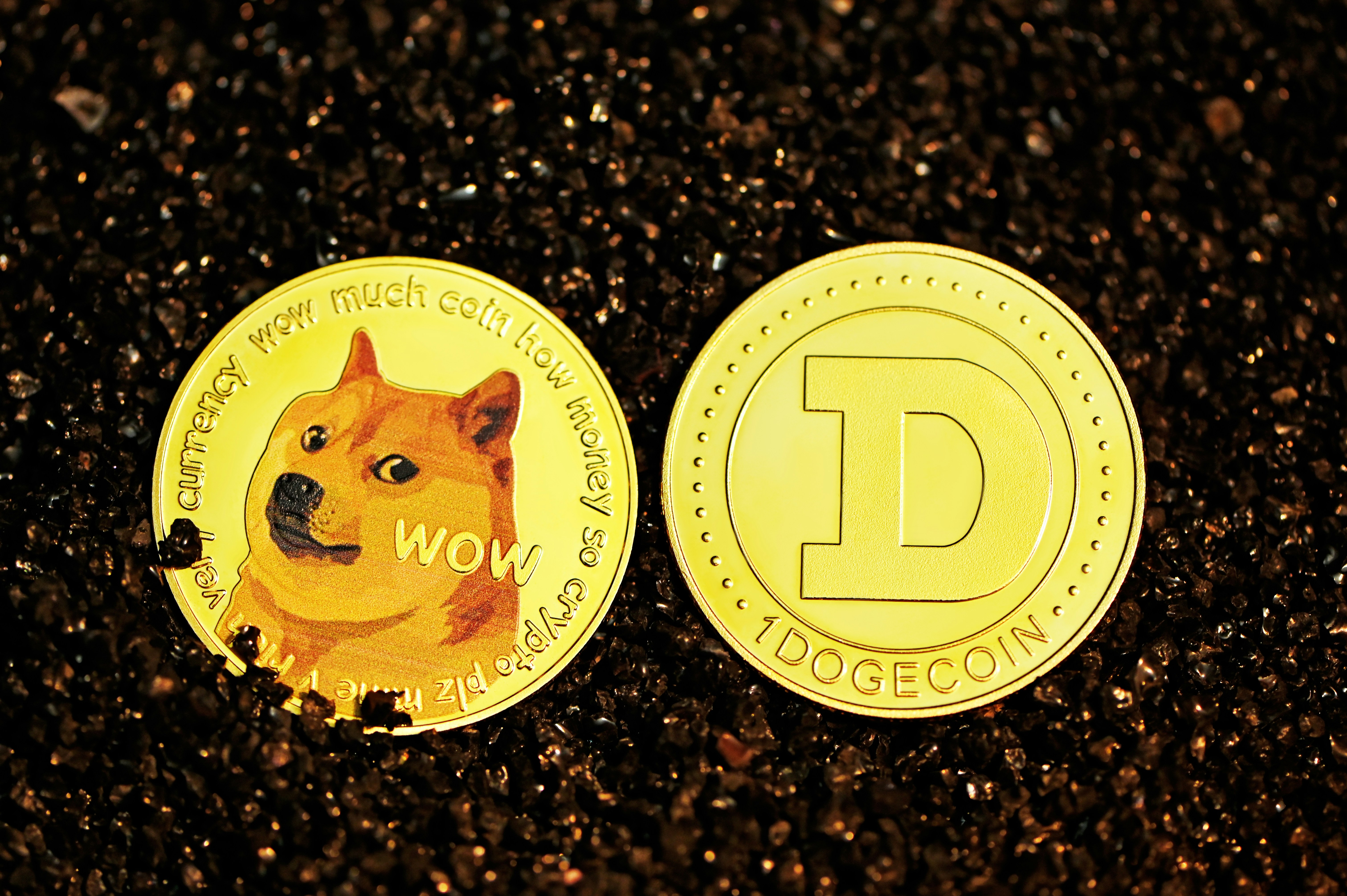
Introduction to Dogecoin
Dogecoin emerged in December 2013 as a lighthearted cryptocurrency, stemming from a popular internet meme featuring the Shiba Inu dog. Initially created by software engineers Billy Markus and Jackson Palmer, Dogecoin was intended to be a fun and approachable alternative to Bitcoin, which was often seen as complicated and overly serious. This ease of access has allowed Dogecoin to cultivate a diverse community of users, ranging from casual enthusiasts to serious investors.
The unique status of Dogecoin within the cryptocurrency landscape can be attributed to its vibrant and engaged user base. The Dogecoin community is well-known for its charitable donations, funding various causes, and supporting online communities. Events such as “Doge4Water,” which raised funds for clean water projects, highlighted the positive social impact of the Dogecoin community. Furthermore, the friendly demeanor of its supporters has contributed to a sense of camaraderie among users, setting it apart from more traditional cryptocurrencies.
Dogecoin’s rise to prominence has also been fueled by social media and endorsements from notable figures, including Elon Musk. These endorsements have not only sparked interest among casual users but have also drawn the attention of serious investors looking to capitalize on the growing trend. In recent years, Dogecoin has transitioned from a novelty token to a more recognized asset, witnessing significant price volatility while attracting discussions and analyses from the cryptocurrency community.
Moreover, Dogecoin’s inflationary supply model contrasts with the deflationary models of Bitcoin, making it more appealing for small transactions and tipping within digital communities. This distinctive approach has further solidified its appeal among users who value its use for everyday transactions rather than as a long-term investment. Understanding the evolution of Dogecoin, its community dynamics, and its distinct economical properties provides essential insights into its current standing in the volatile cryptocurrency market.
Current Price Overview
As of October 2023, Dogecoin (DOGE) exhibits considerable fluctuations in its market price, which is reflective of its unique identity within the cryptocurrency realm. Launched in December 2013 as a meme-inspired alternative to Bitcoin, Dogecoin quickly gained popularity and solidified its position as a leading cryptocurrency, often recognized for its community-driven ethos and philanthropic initiatives.
Recent data indicates that Dogecoin’s price has experienced various peaks and troughs over the years. Initially valued at $0.0002 at the time of its launch, the cryptocurrency reached a remarkable all-time high of approximately $0.74 in May 2021. This surge can largely be attributed to a variety of factors, including social media endorsements from influential figures and a broader acceptance of cryptocurrencies in the mainstream market. However, post-peak, Dogecoin has faced substantial volatility, correlated with the broader trends in the cryptocurrency market.
Currently, the price of Dogecoin hovers around $0.06, reflecting a significant decline from its peak but still demonstrating resilience amidst market fluctuations. Historical movements showcase key milestones that have influenced its price trajectory, such as the shifts in investor sentiment during market rallies and downturns. Additionally, events like major cryptocurrency conferences or announcements from prominent exchanges tend to drive short-term volatility, impacting Dogecoin’s valuation.
Overall, understanding Dogecoin’s current price requires an appreciation of its historical context, emphasizing the interplay between market trends, community influence, and external factors. This comprehensive view of price evolution offers insights into future projections and the potential for volatility that investors may encounter when engaging with this popular cryptocurrency.
Price Volatility in the Last 24 Hours
Over the past 24 hours, Dogecoin has exhibited notable price volatility, reflecting a percentage change that captures the attention of both traders and investors. At one point, the price surged by approximately 8%, indicating a significant upward trend. However, shortly thereafter, it experienced a drop of around 5%. Such rapid fluctuations are not uncommon in the cryptocurrency market and are often influenced by several factors.
One key contributor to this volatility is the overall sentiment within the cryptocurrency ecosystem. Dogecoin, unlike traditional assets, is heavily impacted by social media trends and public sentiment. Recent discussions on platforms such as Twitter and Reddit can lead to sudden spikes in trading volume, which directly affect the price. Furthermore, market reactions to broader economic indicators and regulatory news can provoke increased buying or selling pressure, exacerbating these fluctuations.
Comparatively, other cryptocurrencies also exhibited volatility during the same period, but Dogecoin’s price shifts were more pronounced. For example, while Bitcoin experienced a moderate 3% change, and Ethereum showed a minor 2% fluctuation, Dogecoin’s higher percentage alterations demonstrate its status as a highly reactive asset. This amplified volatility can present both opportunities and risks for traders—allowing for significant profits in a short time frame, yet also heightening the risk of substantial losses.
Understanding these dynamics is crucial for participants in the market, as trading strategies must evolve based on such volatility. For investors, recognizing Dogecoin’s price behavior may assist in making informed decisions. Anticipating short-term price movements can be advantageous, particularly in an environment where daily shifts can offer lucrative opportunities or unexpected setbacks.
Key Market Trends
The cryptocurrency market is influenced by a multitude of factors that collectively shape the price dynamics of Dogecoin. One of the primary determinants of its value is market sentiment, which is heavily affected by broader economic trends, regulatory developments, and investor behaviors. Precisely, positive news regarding blockchain technology advancements or favorable regulations often propels Dogecoin upwards, driven by heightened optimistic sentiment among investors. Conversely, negative news, such as regulatory crackdowns or security breaches, can lead to rapid declines in its value.
Moreover, major events within the crypto space play a significant role in shaping Dogecoin’s price movements. For instance, announcements by influential platforms or changes in the trading policies of significant exchanges can lead to substantial shifts in market dynamics. News cycles can also amplify price volatility, as traders react not just to the information itself but to the implications that the news holds for the overall market trajectory. During notable events like tweets from influential public figures or endorsements from celebrities, Dogecoin often witnesses fluctuations that reflect both exuberance and skepticism amongst its user base.
Social media platforms have become a powerful force in influencing Dogecoin’s price. Communities on platforms like Twitter and Reddit engage in discussions that can lead to viral trends, consequently impacting Dogecoin’s market valuation. Posts that inspire enthusiasm can rapidly elevate demand, while negative sentiment can result in swift sell-offs. Additionally, correlations between Dogecoin and major cryptocurrencies like Bitcoin and Ethereum are becoming increasingly evident, as significant price movements in these leading assets can lead to ripple effects throughout the entire cryptocurrency market, including Dogecoin.
Acknowledging these key market trends is essential for a comprehensive understanding of Dogecoin’s behavior within the larger cryptocurrency ecosystem, as they highlight the multifaceted nature of its price dynamics.
Technical Analysis Overview
Dogecoin, originally introduced as a lighthearted cryptocurrency, has rigidly established itself within the realm of digital assets. Conducting an in-depth technical analysis of Dogecoin enables investors and traders to grasp the market dynamics better, particularly when evaluating price movements and predicting future trends. Central to this analysis are several key technical indicators, including moving averages, the Relative Strength Index (RSI), and Bollinger Bands, each serving to provide insights into market conditions.
Moving averages, particularly the simple moving average (SMA) and the exponential moving average (EMA), are critical for smoothing out price fluctuations and identifying trends. For instance, the crossover of the short-term moving average over the long-term moving average can signify bullish momentum, indicating a potential upward price trajectory for Dogecoin. Conversely, a cross below may suggest bearish sentiments, hinting at possible declines.
The Relative Strength Index (RSI) is another essential tool that measures the speed and change of price movements. Typically scaled between 0 to 100, an RSI reading above 70 indicates that Dogecoin may be overbought, while a reading below 30 suggests it may be oversold. These signals can help traders make informed decisions about when to enter or exit a position, as they highlight potential reversals in momentum.
In addition to these indicators, Bollinger Bands are utilized to gauge market volatility, providing insights into price potential. The narrowing of the bands typically signifies impending price movement, while expansion suggests a period of high volatility. Observing how the price interacts with these bands can further assist traders in identifying breakout opportunities or potential market corrections for Dogecoin.
Overall, a robust technical analysis of Dogecoin, through the calculated application of moving averages, RSI, and Bollinger Bands, unveils critical insights into market momentum and prospective price possibilities.
Trading Strategies for Dogecoin
When it comes to trading Dogecoin, a popular cryptocurrency that has gained significant traction in recent years, traders employ a variety of strategies tailored to its unique characteristics. It is essential to understand that Dogecoin’s price movements can be highly volatile, influenced by social media trends, market sentiment, and broader cryptocurrency market dynamics. Therefore, having robust trading strategies is crucial for both short-term gains and long-term investments.
For short-term trading, many enthusiasts utilize a strategy known as day trading. This involves taking advantage of price fluctuations within a single trading day. Traders monitor high-volume trading hours and make quick buy or sell decisions based on technical indicators such as moving averages, relative strength index (RSI), and Fibonacci retracement levels. Employing stop-loss orders becomes paramount in this strategy to mitigate potential losses resulting from sudden price reversals.
In contrast, long-term traders often adopt a buy-and-hold strategy, capitalizing on Dogecoin’s potential for substantial price appreciation over time. This approach necessitates a strong understanding of the market trends and fundamental analyses of Dogecoin’s developments. A critical consideration for long-term investors is to stay informed about news that might impact the cryptocurrency’s adoption and market performance, as these factors can significantly affect price over extended periods.
Risk management is a vital aspect of any trading strategy. It is advisable for traders to only invest what they can afford to lose, thereby minimizing the emotional stress associated with market fluctuations. Diversifying one’s portfolio by including various cryptocurrencies, in addition to Dogecoin, can also help in spreading risk. Furthermore, traders should continuously educate themselves about market trends, thus enabling them to adapt their strategies as the landscape evolves.
Recent Influences on Dogecoin’s Price Movement
In recent months, various factors have significantly impacted the price movement of Dogecoin, a cryptocurrency that initially rose to fame as a meme but has since garnered substantial market attention. One of the most prominent influences has been the continuous evolution of regulatory news surrounding cryptocurrencies globally. Governments and regulatory bodies across the world are rapidly adapting to the increasing influence of digital currencies. This has created an environment of uncertainty, with announcements regarding stricter regulations often triggering price fluctuations. Investors tend to react swiftly to such updates, causing Dogecoin’s price to exhibit volatility during these periods of shifting regulatory landscapes.
Additionally, endorsements from high-profile celebrities have played a crucial role in shaping public perception and driving demand for Dogecoin. Notably, figures such as Elon Musk, who frequently mentions Dogecoin on social media platforms, have created immense buzz around this cryptocurrency. His tweets and public statements can lead to immediate and significant price changes, reflecting how influential pop culture is on the cryptocurrency market. Such endorsements often result in increased media coverage, which further amplifies interest and investment in Dogecoin, sometimes leading to speculative trading that heightens its volatility.
Community-driven initiatives have also contributed to the price dynamics of Dogecoin. The active participation of its community in charitable events and fundraising campaigns has fostered a sense of purpose and loyalty among holders. This community engagement can lead to positive sentiment surrounding Dogecoin, occasionally translating into price stability or upward movement, as investors witness tangible value associated with their investment. Overall, these influences depict a multifaceted interaction between Dogecoin’s price movement and various external events, making it a unique entity within the cryptocurrency market.
Future Predictions for Dogecoin
The trajectory of Dogecoin has garnered significant speculation among enthusiasts and analysts alike, particularly as it exists within the broader context of cryptocurrency. Many experts assert that the price movements of Dogecoin are heavily influenced by social media trends, celebrity endorsements, and general market sentiment. These factors contribute to its unique position in the crypto market, often leading to volatility that can swing price dramatically in short time frames.
Analysts have suggested potential price levels for Dogecoin, varying from conservative estimates to more bullish outlooks. Some experts predict a continuation of its price rally, potentially surging past previous all-time highs, particularly if adoption increases and the surrounding ecosystem of cryptocurrencies expands. Others, however, caution investors about the inherent volatility associated with meme coins, suggesting that price corrections may occur as market sentiment shifts or broader economic conditions fluctuate.
Market trends in recent years indicate that as large institutions begin to invest in cryptocurrencies, Dogecoin’s appeal as a speculative asset may increase. Institutional interest often leads to increased mainstream acceptance, thereby bolstering confidence among retail investors. However, the speculative nature of cryptocurrency investments necessitates caution, as market dynamics can shift unpredictably. Functionalities and use cases continue to develop within the Dogecoin community which may support utility and drive price in the long term.
Additionally, keeping an eye on regulatory developments will be crucial for future predictions. Laws affecting digital currencies can create significant ripple effects across the market. Observing how Dogecoin adapts to these changes could offer further insights into its potential future paths. Therefore, while optimism exists regarding Dogecoin’s potential, a balanced perspective on its speculative nature is essential for any investor in this rapidly evolving cryptocurrency landscape.
Conclusion
In conclusion, Dogecoin has journeyed from a meme-based cryptocurrency to a significant player in the broader cryptocurrency market. Its price trajectory has been marked by notable volatility, influenced by factors such as market sentiment, social media trends, and prominent endorsements. Throughout the analysis presented in this blog post, it has been established that while Dogecoin’s price fluctuations can be substantial, these movements are often driven by external influences rather than fundamental economic indicators typical of traditional assets.
Moreover, technical insights suggest that investors should remain vigilant. Price patterns and trading volumes are crucial for understanding potential future movements. The unique characteristics of Dogecoin, including its inflationary nature—contrary to the deflationary mechanics adopted by various cryptocurrencies—could play a vital role in its long-term stability and attractiveness as a speculative investment.
While Dogecoin has garnered a loyal community and enjoyed speculative trading interest, it is essential for potential investors to approach this cryptocurrency with caution. The broader cryptocurrency landscape remains rife with risks, exemplified by rapid market shifts and regulatory uncertainties. Engaging with Dogecoin requires clients to stay informed and critically assess their strategies based on an evolving marketplace.
Ultimately, while Dogecoin presents opportunities, the decision to invest in this digital currency should be made only after conducting thorough research and understanding one’s risk tolerance. As such, we encourage readers to explore various financial resources, seek expert opinions, and remain updated with market trends to make well-informed investment decisions in this ever-dynamic environment.
You might also like:
- Recent South Korea Ferry Incident: A Reminder of Tragedy
- The Devastating Impact of Typhoon Kalmaegi in the Philippines
- Understanding US Regulations on Cryptocurrencies: A Comprehensive Overview
- The Nuclear Dilemma: Putin’s Response to US Weapons Testing
- Warren Buffett and Berkshire Hathaway: Insights into Recent Investor Activity