
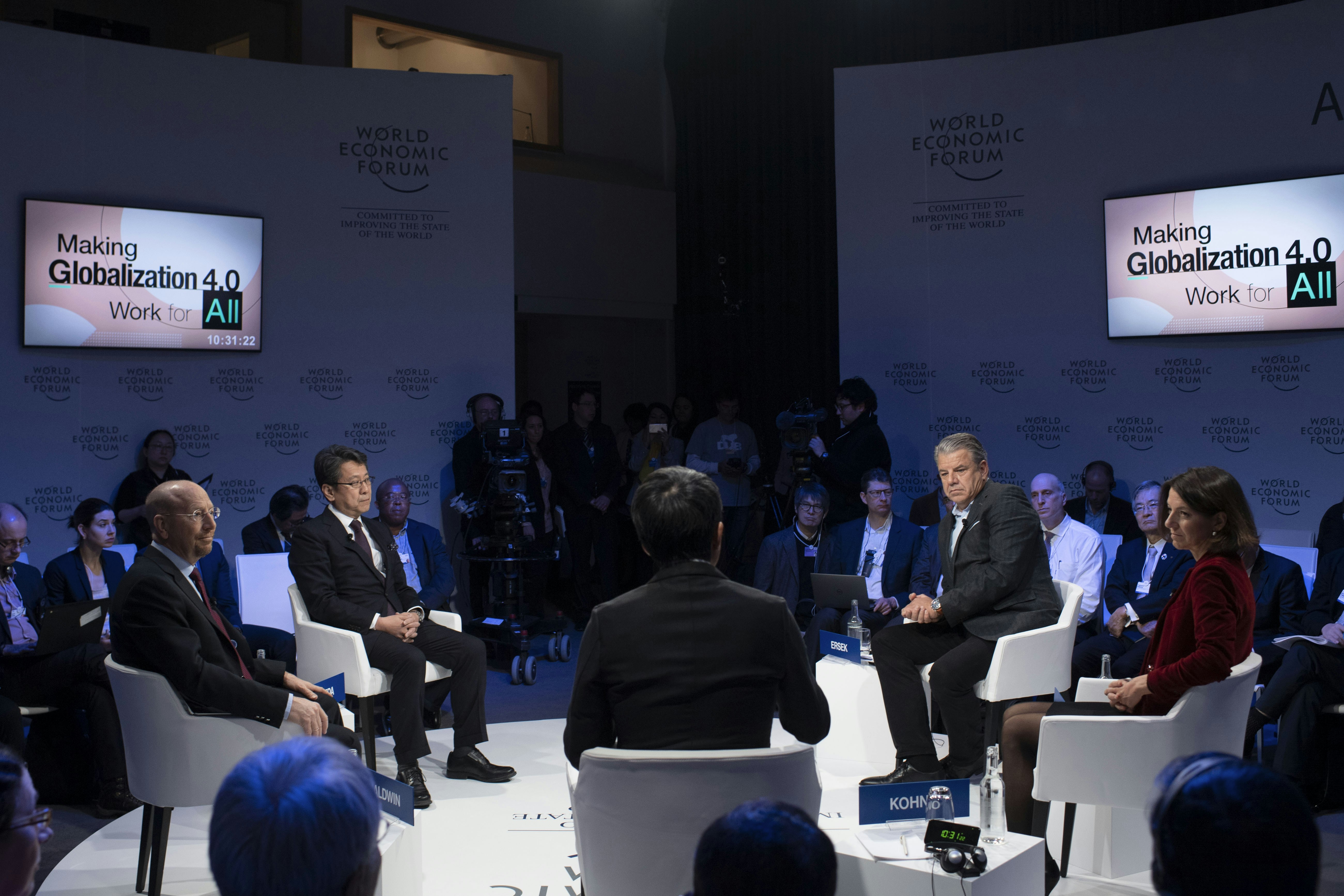
Introduction to the 2026 World Economic Forum
The World Economic Forum (WEF) stands as a prestigious annual gathering held in Davos, Switzerland, bringing together a diverse array of influential leaders from sectors including business, politics, academia, and civil society. Since its inception in 1971, the WEF has evolved from a European management forum to a global platform aimed at addressing pressing issues affecting the world economy. This year, the Forum will take place from January 19th, 2026, and is expected to foster critical discussions on topics ranging from socioeconomic challenges to environmental sustainability.
The importance of the WEF in today’s economic landscape cannot be understated. As economies face increasing complexities, such as the effects of globalization, technological advancements, and climate change, the need for collaborative dialogue becomes paramount. The WEF serves as a vital conduit for stakeholders to share insights, forge partnerships, and develop innovative solutions that can address these multifaceted challenges. Each annual meeting is characterized by a unique theme, and for 2026, the selected theme is ‘the spirit of dialogue.’ This theme emphasizes the need for constructive conversation and inclusive collaboration amongst global leaders to navigate the complexities of the modern economy.
In the spirit of dialogue, the Forum will provide a platform for professionals and experts to engage in meaningful discourse, exploring various perspectives and strategies for addressing critical global issues. This section aims to provide an overview of the WEF’s history, its significance in the current economic climate, and an initial discussion on the implications of the forthcoming theme. With the 2026 World Economic Forum approaching, it is essential to recognize its role in shaping the trajectory of international cooperation and dialogue.
Global Economic Outlook and Trends
The recently released World Economic Outlook update by the International Monetary Fund (IMF) has presented a concerning picture of the global economy, projecting a slowdown in growth to 3.1% in 2026. This forecast has raised significant discussions among economists and policymakers alike, as it hints at a myriad of factors contributing to this deceleration. One primary cause identified is the evolving global policies, which are increasingly oriented towards sustainability and trade reform.
Experts argue that these shifting policies may have profound implications for various economies around the world. For instance, the transition towards green technologies and the reduction of carbon footprints could reshape industries such as manufacturing and energy. Professor Lisa Harmon, an economist at the Global Institute for Economic Studies, notes that while these changes are vital for long-term sustainability, they may initially disrupt established markets, causing volatility in employment and production rates.
Furthermore, emerging markets are likely to feel the impact of these trends more intensely. Dr. Henry Adams, a senior researcher at the Center for International Economics, states that developing economies, which heavily rely on traditional exports, are at a crossroads. As global demand shifts towards environmentally friendly products, these countries may face challenges in adapting their production practices without significant investment.
In addition to policy shifts, the continuation of geopolitical tensions, such as trade disputes and regional conflicts, could exacerbate the economic slowdown. The interplay of these factors suggests that while growth may appear stagnant on a surface level, underlying complexities could result in varied outcomes across sectors and regions. Engaging in open dialogue about these issues at the 2026 World Economic Forum in Davos will be crucial for developing cooperative strategies to mitigate potential risks and foster resilient economic growth.
The Role of Dialogue in Addressing Global Challenges
The significance of dialogue in contemporary society cannot be overstated, especially in light of pressing global challenges such as climate change, economic inequality, and geopolitical tensions. The 2026 World Economic Forum (WEF) embraces the theme of ‘the spirit of dialogue’ to foster collaboration among various stakeholders, including governments, businesses, civil society, and academia. These stakeholders must engage in constructive conversations to efficiently address the multifaceted issues facing our global community.
Climate change stands out as one of the most pressing challenges, necessitating urgent dialogue among nations to forge collective solutions. The impacts of climate change are not confined to geographical boundaries; they affect economies, societies, and ecosystems worldwide. By encouraging open discussions at the WEF, participants can share innovative ideas and best practices for mitigating climate change, thus paving the way for effective policy frameworks and sustainable initiatives.
Similarly, economic inequality poses significant risks to social stability and overall economic health. The disparities between different socio-economic classes highlight the need for equitable resource distribution and opportunities. Dialogue facilitates the sharing of experiences and perspectives, leading to the co-creation of strategies that are socially inclusive and economically viable. By involving various sectors in discussions about wealth distribution, education, and employment, WEF promotes collaborative approaches to tackling economic inequality.
The realm of geopolitical tensions also demands heightened dialogue. Diplomatic discussions can mitigate misunderstandings and foster cooperative relationships among nations. Through the framework provided by the WEF, participants can engage in frank conversations about global security issues, trade relations, and humanitarian crises. Such collaborative efforts are essential to finding common ground and working toward peaceful resolutions.
Key Sessions and Expected Outcomes
The 2026 World Economic Forum in Davos promises to feature a comprehensive agenda that aims to stimulate critical discussions and chart a course for future economic cooperation. Key sessions will include high-profile panels, interactive workshops, and insightful keynote speeches delivered by industry leaders, heads of state, and influential thinkers. Each session is designed to foster dialogue on pressing global issues, encompassing themes such as sustainable development, technological innovation, and the evolving landscape of international trade relations.
Among the anticipated highlights are workshops that focus on collaborative initiatives aimed at addressing climate change and economic disparities. These sessions will not only provide a platform for dialogue but will also encourage participants to co-create actionable solutions. Keynote addresses are expected to outline the importance of global collaboration in achieving resilient economic frameworks, especially in the face of emerging challenges and uncertainties.
The cumulative effect of these discussions may pave the way for significant decisions that can influence global economic policies. By nurturing a spirit of dialogue, the Forum aims to inspire participants to engage in long-term partnerships that transcend national boundaries. This collaborative effort could lead to revamped trade agreements, innovative funding mechanisms for development projects, and a unified approach toward economic recovery post-pandemic.
Moreover, the potential long-term impacts of the outcomes from the Forum could significantly redefine global economic strategies. The shared insights and agreements reached in Davos may facilitate a stronger commitment to shared global priorities, enhancing stability and fostering a more inclusive economic environment. Ultimately, the sessions at the 2026 World Economic Forum will serve not just as a platform for exchange but as a catalyst for meaningful, sustained change in the international economic landscape.
You might also like:
- Disruption of Flights Across Greece Due to Technical Failure
- Center East disaster are living: Trump warns of contemporary Iran strikes if talks fail; Lebanon and Israel agree to meet in US
- Understanding the Ongoing Situation Between Samsung and Its Largest Labor Union
- Rubio rejects contemporary Iranian proposal to reopen Strait of Hormuz, with plot forward for talks in limbo – The Times of Israel
- The End of an Era: New World Aeternum’s Final Content Updates
