
Introduction to the Federal Budget Dispute
The ongoing federal budget dispute has become a critical point of contention among lawmakers, substantially shaping the funding landscape for various projects across the United States. This dispute arises from disagreements between political factions regarding spending priorities and fiscal responsibility. As these negotiations unfold, they bring about a significant threat of government shutdown, which can have severe ramifications for federal projects that rely on timely funding. In particular, key initiatives in New York stand to lose essential resources, straining local economies and stalling progress on essential infrastructure.
The current budget discussions have unveiled deep-rooted divisions regarding the allocation of federal funds. One of the primary areas of contention is the debate over discretionary spending, which has seen proposed cuts that could jeopardize numerous projects aimed at improving transport, education, and health services in New York City and beyond. These projects are not only vital for local communities but also play a crucial role in the broader national infrastructure framework.
The threat of government shutdown looms larger as funding deadlines approach, amplifying concerns for stakeholders invested in these federal projects. When the government closes its doors, the ripple effects can be felt swiftly, affecting grant distributions, halting construction timelines, and delaying new initiatives. Various sectors that are crucial to New York’s progress, including public transportation and urban development, may experience setbacks that can have lasting consequences on economic growth and community well-being.
As federal budget negotiations continue in an increasingly polarized political environment, it will be essential to monitor the outcomes of these discussions and their potential impact on New York’s infrastructure and community services. The alignment—or lack thereof—among lawmakers will ultimately shape the financial realities that govern these essential projects.
Impact of the $18 Billion Tunnel Project Suspension
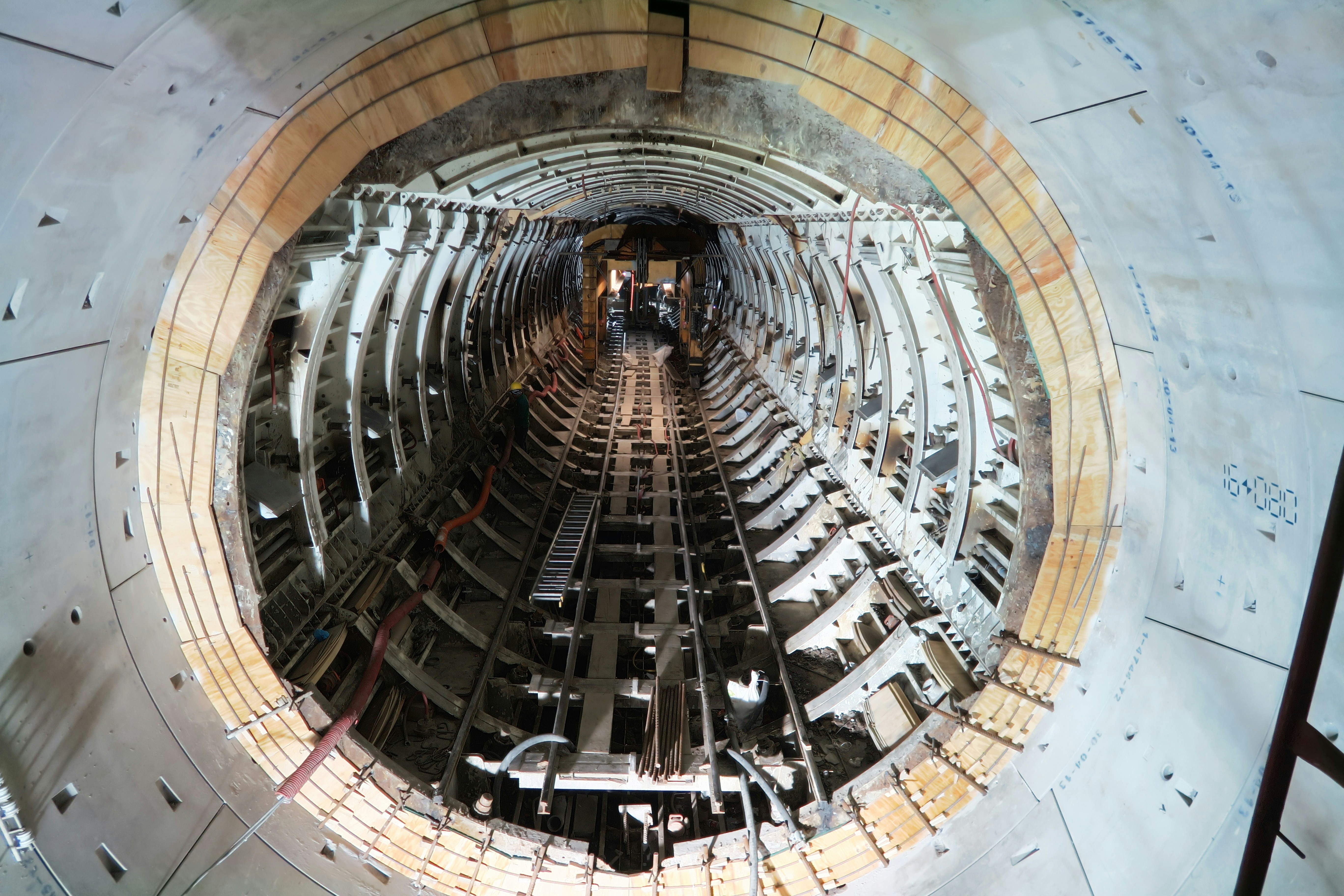
The recent suspension of the $18 billion tunnel project in New York marks a significant halt in one of the city’s most ambitious infrastructure undertakings. This project, designed to enhance transportation capabilities and alleviate congestion, is crucial for both local commuters and the overall economy of the region. The tunnel aims to connect various boroughs, providing a much-needed alternative route for vehicles and public transit systems. With its suspension, the potential benefits, which include improved traffic flow and reduced travel times, are now cast into uncertainty.
Beyond its transportation implications, the discontinuation poses severe risks to local employment. Construction of the tunnel was expected to generate thousands of jobs, from skilled tradespeople to administrative roles. The halt in this spending plan could lead to immediate job losses for workers already engaged in preliminary phases. Furthermore, the ripple effect may extend to local businesses that rely on the financial influx from these jobs, thereby exacerbating economic downturns in the area.
Economically, the suspension raises concerns about the long-term financial health of New York City. Large infrastructure projects typically stimulate economic activity through job creation and community investment. Without this project moving forward, experts worry that the city may experience a decline in economic growth, negatively impacting tax revenues that fund essential services. The reasons behind this pause have been linked to budget disputes among federal and state officials, reflecting deeper political challenges that affect infrastructure funding nationwide. Moreover, recent statements from government officials indicate a complex balancing act between fiscal responsibility and the urgent need for infrastructure modernization.
This temporary freeze on the tunnel project underscores the larger landscape of infrastructure development in the United States, revealing the precarious nature of funding and the urgent need for a resolution that prioritizes both economic stability and public welfare.
The Setback in Anti-Terrorism Funding for NYC
The recent federal budget dispute has led to a significant reduction in anti-terrorism funding for New York City, with a cut of $34 million that was originally allocated for crucial security measures. This loss of funding is particularly concerning given the city’s high profile as a potential target for terrorist activities. The funds were intended to bolster various initiatives aimed at enhancing public safety, including increased surveillance, improved emergency response systems, and advanced training for law enforcement agencies. The absence of these financial resources could hinder the city’s ability to implement effective security strategies necessary to protect its citizens and infrastructure.
The implications of losing this budget item extend beyond immediate financial considerations. The safety of New Yorkers and countless visitors who frequent the city could be jeopardized, as the cut could result in fewer resources for counter-terrorism training and preparedness exercises. Notably, recent events in global politics and rising threats highlight the critical need for robust anti-terrorism measures. In this context, the decision to restrict funding appears to conflict with the necessary strategic focus on maintaining high security standards.
Looking Ahead: Possible Resolutions and Future Implications
The ongoing federal budget dispute has far-reaching consequences that extend beyond immediate project suspensions. As stakeholders assess potential outcomes, various factors will shape the future landscape of federal funding priorities, particularly with regard to infrastructure and national security initiatives. The likelihood of a resolution hinges on negotiations among lawmakers, with both political consensus and public pressure playing critical roles in the process.
Past instances of government shutdowns highlight the potential for bipartisan agreements to emerge under dire circumstances. Lawmakers, driven by the pressing need to restore funding to essential projects, may find common ground. The restoration of suspended projects not only serves practical purposes but also mitigates the public dissatisfaction that often accompanies prolonged budget disputes. Public opinion is a powerful motivator in this context; as constituents voice their concerns, elected officials may feel compelled to act swiftly to address the pressing challenges presented by these uncertain times.
Furthermore, as urban areas grapple with inadequate infrastructure and pressing national security concerns, the implications of the budget dispute become even more pronounced. Prioritizing infrastructure development can lead to enhanced public services, improved transportation networks, and increased economic resilience. Subsequently, these factors can bolster community wellbeing and ensure that cities are better equipped to handle future challenges.
Activism will undoubtedly play a significant role as citizens increasingly engage in advocacy efforts surrounding federal budget allocations. Grassroots movements and advocacy groups can shape funding decisions, as they amplify voices calling for investment in critical public works and safety initiatives. Thus, the intersection of public opinion and policymaking will be vital in steering the direction of future funding and addressing the broader implications of the current budget deadlock.
You might also like:
- Market Overview: December 16, 2025, US Stock Index Performance
- Understanding Current Trends in Platinum Prices
- Mu’s Pursuit of Dayot Upamecano: A Game-Changer for the Defense
- Impact of Recent Israeli Airstrike on Hezbollah Leadership
- Tragedy Strikes: Newly Opened Bridge in Sichuan Province Collapses Due to Landslide