
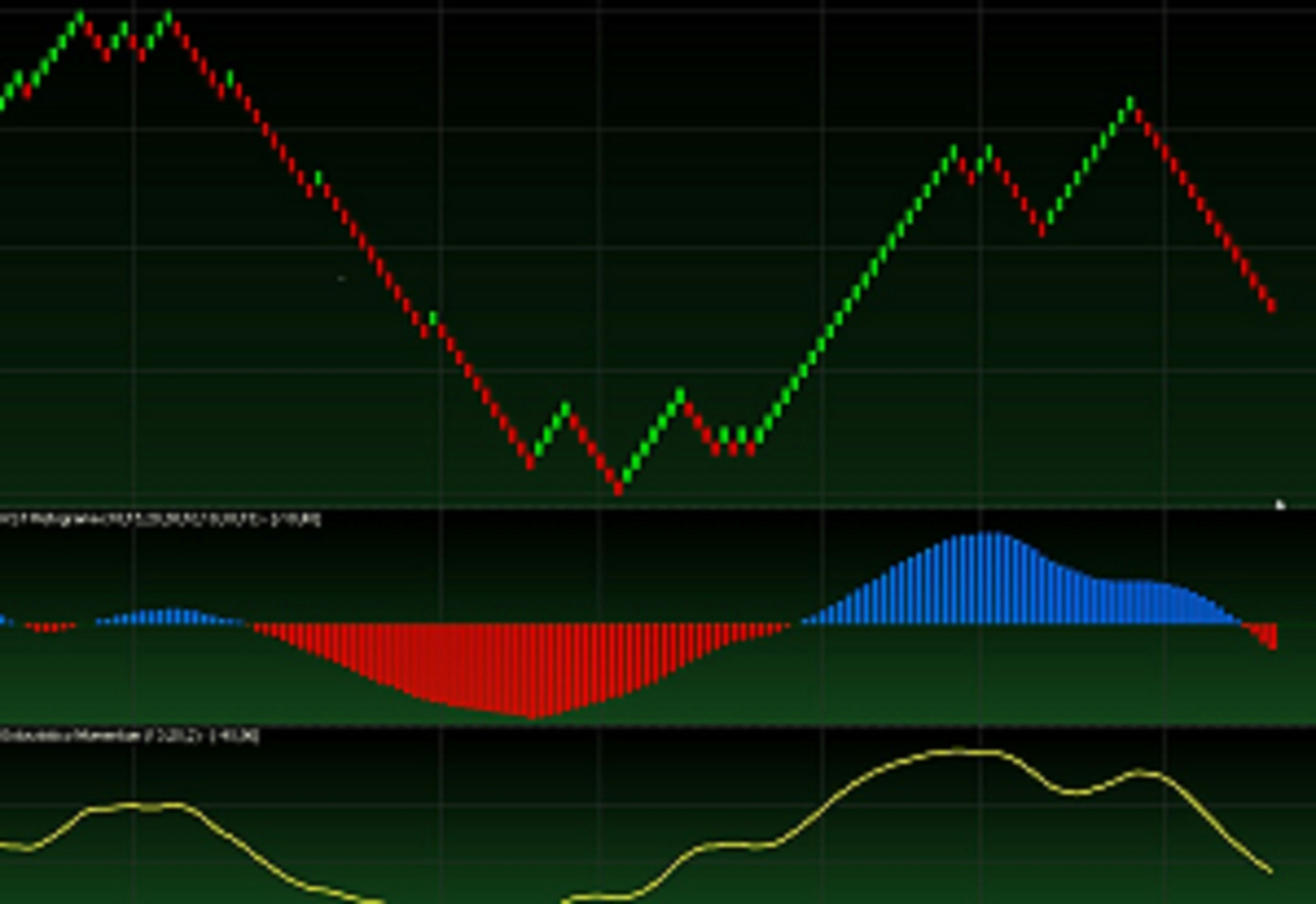
Current Market Sentiment
As of late October 2025, the forex market is characterized by a pronounced ‘risk-on’ sentiment. This shift in investor attitude appears largely driven by burgeoning optimism related to a preliminary framework agreement between the United States and China. Such developments are typically indicative of a stabilizing geopolitical climate, which encourages investors to favor risk-sensitive currencies. These currencies, which include those from emerging markets and commodities, have generally experienced upward momentum against traditional safe-haven currencies.
The Japanese yen, which traditionally acts as a refuge during periods of uncertainty, has seen decreased demand as traders gravitate towards higher-yielding assets. With market participants increasingly confident in the potential for improved relations between the two largest economies, currencies like the Australian dollar and the Canadian dollar have shown marked strength. This trend underscores the shifting dynamics within the forex market, where risk appetite is influencing trading strategies and currency valuations.
Despite this growing optimism, the overall sentiment remains cautiously optimistic. Investors are keenly aware of the upcoming interest rate decision by the U.S. Federal Reserve, set to take place shortly after these developments. This impending announcement adds a layer of complexity to the current market landscape. Many traders are adopting a wait-and-see approach as they anticipate that shifts in U.S. monetary policy could significantly alter the prevailing market conditions. Thus, while risk-sensitive currencies are enjoying a period of strength, the potential volatility introduced by the Fed’s decisions keeps investors vigilant.
Major Currency Pairs Performance
In the Forex market, the performance of major currency pairs provides valuable insights into the prevailing economic trends and market sentiment. Over the last 24 hours, significant movements were observed in key currency pairs, notably the USD index, EUR/USD, USD/JPY, and GBP/USD, which reflect the ongoing adjustments in the global economic landscape.
The USD index has shown resilience, primarily driven by recent macroeconomic data that suggests stability in the U.S. economy. This strength is underpinned by a steady employment rate and positive consumer sentiment, creating a favorable environment for the dollar. Investors are closely watching upcoming Federal Reserve meetings, as any indications of monetary policy shifts may further influence the index.
Turning to the EUR/USD pair, this currency pair experienced a slight decline due to the mixed economic indicators emerging from the Eurozone. While some member countries reported better-than-expected growth figures, concerns regarding inflation levels and potential destabilizing factors within the EU have led to cautious trading. Speculation surrounding the European Central Bank’s forthcoming decisions is palpable, as market participants seek clarity on interest rate adjustments.
The USD/JPY pairing has shown volatility as Japan continues to grapple with its own economic challenges, including stagnating growth and a persistently low inflation rate. The Japanese government’s monetary policies remain accommodative, which impacts the yen’s performance. Therefore, shifts in sentiment influenced by U.S. economic data can cause rapid movements in this pair.
Lastly, the GBP/USD currency pair has been influenced by political developments and economic indicators from the United Kingdom. Although the pound has reflected some strength due to recent positive retail sales data, uncertainty around post-Brexit trade agreements continues to create fluctuations. Traders remain vigilant, as any signs of Brexit-related negotiations will likely influence the GBP’s dynamics in the short term.
Factors Influencing Currency Movements
The currency market is influenced by a myriad of factors, each contributing to the fluctuations in exchange rates. Recently, one significant concern has been the potential U.S. government shutdown, which could have a notable impact on the U.S. Dollar (USD). Uncertainties related to government operations often lead to a decline in investor confidence, thereby affecting the USD’s performance against other currencies. If a shutdown occurs, traders may anticipate reduced economic growth and increased volatility, which could see a drop in the value of the USD.
Additionally, the European Central Bank’s (ECB) decisions regarding interest rates play a crucial role in shaping the Euro’s (EUR) value, especially concerning the EUR/USD pair. Any hints towards tightening monetary policy may strengthen the Euro, while hints of dovish attitudes could weaken it. Recent communications from the ECB suggest a careful approach to rate adjustments, prompting traders to closely monitor the bank’s statements and economic indicators to gauge future movements of the Euro.
Moreover, risk appetite among investors is another critical factor influencing currency pair dynamics, particularly the USD/JPY. In times of heightened market sentiment, the Japanese Yen (JPY) often experiences depreciation due to its status as a safe-haven asset. Conversely, as risk appetite rises, the USD may strengthen owing to a shift towards higher-yielding assets. This interplay can result in notable fluctuations, driven by geopolitical and economic events that shape market sentiment during the trading sessions.
Lastly, economic data out of the United Kingdom has positively influenced the British Pound (GBP). Strong performance indicators, such as better-than-expected employment figures or escalating consumer spending, provide support for the GBP against its counterparts. These economic reports often lead traders to reassess their positions, emphasizing the importance of fundamental data in shaping currency movements.
Upcoming Events and Market Outlook
The forex market is greatly influenced by economic indicators and central bank policies, which drive currency fluctuations and trader sentiments. As we approach the end of October 2025, one of the most pivotal events on the economic calendar is the U.S. Federal Reserve’s interest rate decision. Market participants are keenly attuned to expectations surrounding potential rate changes, as these will have far-reaching implications for the U.S. Dollar (USD) and the overall forex landscape.
The Federal Reserve’s commentary accompanying its interest rate announcement may provide insight into the central bank’s future direction and its assessment of economic conditions. If the Fed opts for a rate hike, this is anticipated to bolster the USD in currency pairs against major rivals such as the Euro (EUR) and the Japanese Yen (JPY). In contrast, maintaining the current interest rate may lead to depreciation in the USD as traders seek better yields elsewhere.
In anticipation of the Fed’s outcome, market expectations are diverging. Should the central bank signal a more hawkish policy stance, an upward shift in the USD’s value is likely, potentially leading to a strengthening trend against other currencies. Conversely, if the Fed suggests a dovish outlook, traders may realign their strategies, favoring currencies that could offer more attractive returns amidst a low-rate environment.
The implications of these decisions will trickle down not just to the immediate currency pairs but across broader financial markets. Investors will be watching for volatility as economic data continues to be released and in response to geopolitical developments. Trader positioning in advance of this key event may result in market shifts, underscoring the importance of staying updated on economic indicators and Fed communications leading up to the decision.