
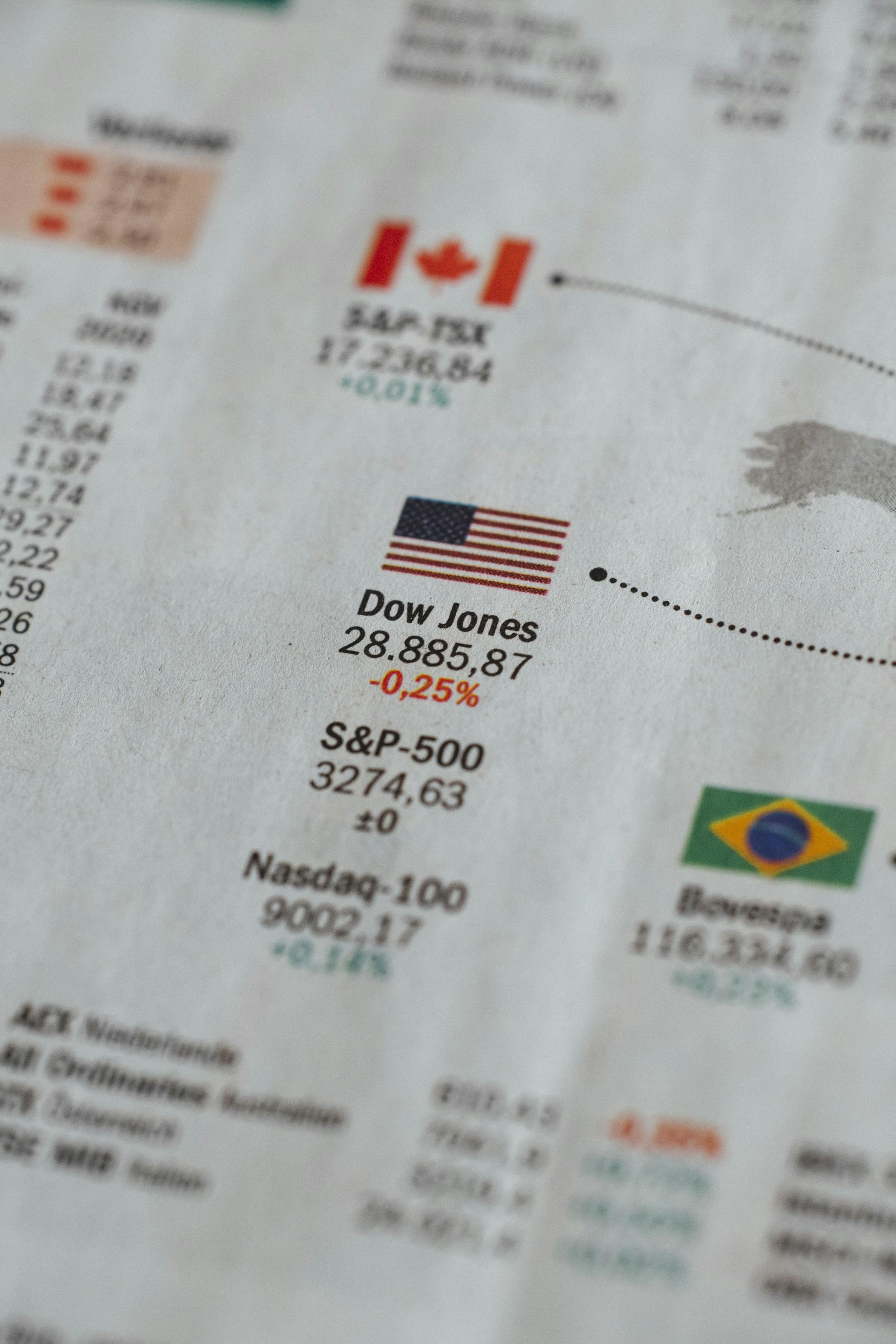
Overview of Global Market Trends
The performance of global markets has witnessed a notable uptick in recent months, driven largely by a wave of positive sentiment among investors. Specifically, markets in Asia have shown significant resilience, contributing to a broader trend that is reflected in other regions, including the United States. Analysts attribute this optimistic shift to a combination of encouraging economic indicators, robust corporate earnings reports, and a stabilization of geopolitical tensions that have historically influenced market dynamics.
Key economic indicators have played a vital role in buttressing investor confidence. In Asia, countries such as China and Japan have reported stronger-than-expected gross domestic product (GDP) growth rates, signaling a recovery trajectory that has pleased market participants. This data suggests that consumer spending and industrial production are on the rise, which in turn supports the overall outlook for market performance. Similarly, in the United States, recent employment figures and a surge in consumer confidence have positively impacted sentiment, thereby enhancing market stability.
Furthermore, earnings reports from major corporations have largely surpassed market forecasts, showcasing the underlying strength of various sectors. Industries such as technology and finance have contributed significantly to this uplift, as businesses have adapted to changing market conditions and continued to innovate. The prospect of increased corporate profits typically translates into higher stock prices, thereby creating a virtuous cycle of investment and growth.
Geopolitical influences also bear mentioning as contributing factors to the current positive trends. Recent diplomatic efforts to ease trade tensions and foster international cooperation have encouraged investors to recalibrate their outlooks, fostering a climate conducive to investment. These developments have collectively enabled markets to not only recover from previous downturns but also to explore unprecedented growth potentials.
Asia’s Strong Performance
In recent weeks, Asian markets have demonstrated a remarkable rally, showcasing significant gains across various key indices. The markets in countries such as Japan, China, and India have been particularly robust, underpinned by optimistic economic indicators and strategic corporate accomplishments. The Nikkei 225 index in Japan has surged, reflecting positive investor sentiment driven by strong corporate earnings reports and a favorable economic outlook. Analysts have noted that the Japanese government’s ongoing efforts to stimulate the economy through various market reforms have also contributed to this enthusiastic performance.
Meanwhile, the Shanghai Composite Index in China has experienced a noteworthy upward trend, buoyed by recent data indicating an increase in manufacturing activity. This surge is further supported by China’s continued recovery from the pandemic and the government’s implementation of supportive fiscal policies aimed at stabilizing and invigorating economic growth. The easing of restrictions and supportive measures from the People’s Bank of China have also played a pivotal role in enhancing investor confidence.
In India, the BSE Sensex has reached record highs, propelled by robust foreign direct investment (FDI) inflows and the booming technology sector. Several Indian companies have reported exceptional quarterly results, invigorating market participants. Additionally, the government’s commitment to infrastructure development and digitalization initiatives has further fueled enthusiasm among investors, reinforcing the positive trajectory of the Indian markets.
Sectoral performances have also contributed to the overall gains in Asia, with technology, consumer goods, and financial services leading the charge. These sectors are benefiting from changing consumer behaviors and increased spending, which provide a solid foundation for continued growth. The significant rally seen in these markets reflects a broader trend of recovery and optimism in the Asian region, marking a vital period for investors and stakeholders alike.
US Markets Open in the Green
Following the positive trend in Asian markets, US markets opened in the green, reflecting an optimistic sentiment among investors. The Dow Jones Industrial Average, a key indicator of stock market performance, surged in early trading, indicating robust investor confidence. Other significant indexes, including the S&P 500 and the Nasdaq Composite, also displayed upward momentum, contributing to a collectively positive market outlook. Analysts are closely monitoring these trends as they signal potential growth in the near future.
Multiple factors have contributed to this uplifting trajectory in the US markets. Recent economic reports showcased stronger-than-expected employment figures and consumer spending growth, which have fueled market optimism. Such data continues to underline the resilience of the US economy, despite ongoing global uncertainties. Additionally, the Federal Reserve’s current stance on interest rates, which suggests a cautious approach to monetary tightening, has proven favorable for the markets. In light of this stance, investors are more likely to engage in riskier assets, bolstering market confidence.
Government policies aimed at stimulating economic growth have also played a crucial role in sustaining the rally. Legislative efforts to enhance infrastructure investment, along with initiatives to support small businesses, reflect a commitment to fostering a conducive economic environment. Moreover, the broader implications of the recent record-setting session cannot be overlooked; it has instilled a sense of optimism among investors that could potentially lead to further gains in the upcoming trading sessions.
In conclusion, with US markets responding positively to favorable trend indicators, sustained momentum is anticipated, driven by strong economic fundamentals, supportive government initiatives, and an overall bullish sentiment among traders. Monitoring these developments will be essential for investors seeking to navigate the evolving landscape.
Future Outlook of Global Markets
The future outlook of global markets appears optimistic, buoyed by recent positive trends in both Asia and the United States. Analysts suggest that a combination of robust corporate earnings, easing inflationary pressures, and supportive monetary policies may drive continued growth in the markets. However, it is critical to remain vigilant regarding potential risks that could disrupt this upward trajectory. Geopolitical tensions, for instance, pose a significant risk to global economic stability. Ongoing conflicts in various regions, trade disputes, and nationalistic policies could lead to uncertainty, influencing investor sentiment considerably.
In light of these factors, analysts are also closely monitoring key economic indicators that can signal potential market corrections. Metrics such as employment rates, consumer confidence, and manufacturing outputs will provide essential insights into the health of economies on both sides of the Pacific. A slowdown in any of these areas could stifle the current rally and raise concerns over sustainability. Additionally, central banks’ actions will play a pivotal role in shaping market dynamics. Should interest rates increase rapidly to combat inflation, it may lead to more conservative investor behavior, which can trigger volatility in the markets.
Another crucial aspect is the impact of technological advancements and innovation. Industries that adapt and invest in sustainable practices not only contribute to economic growth but may also attract more investors who prioritize corporate social responsibility. As green technology continues to evolve, it could serve as a catalyst for long-term market sustenance. Overall, while prospects for global markets are favorable in the near term, keeping a focused eye on geopolitical events, economic indicators, and industry trends will be vital for both investors and policymakers to navigate any challenges ahead.