
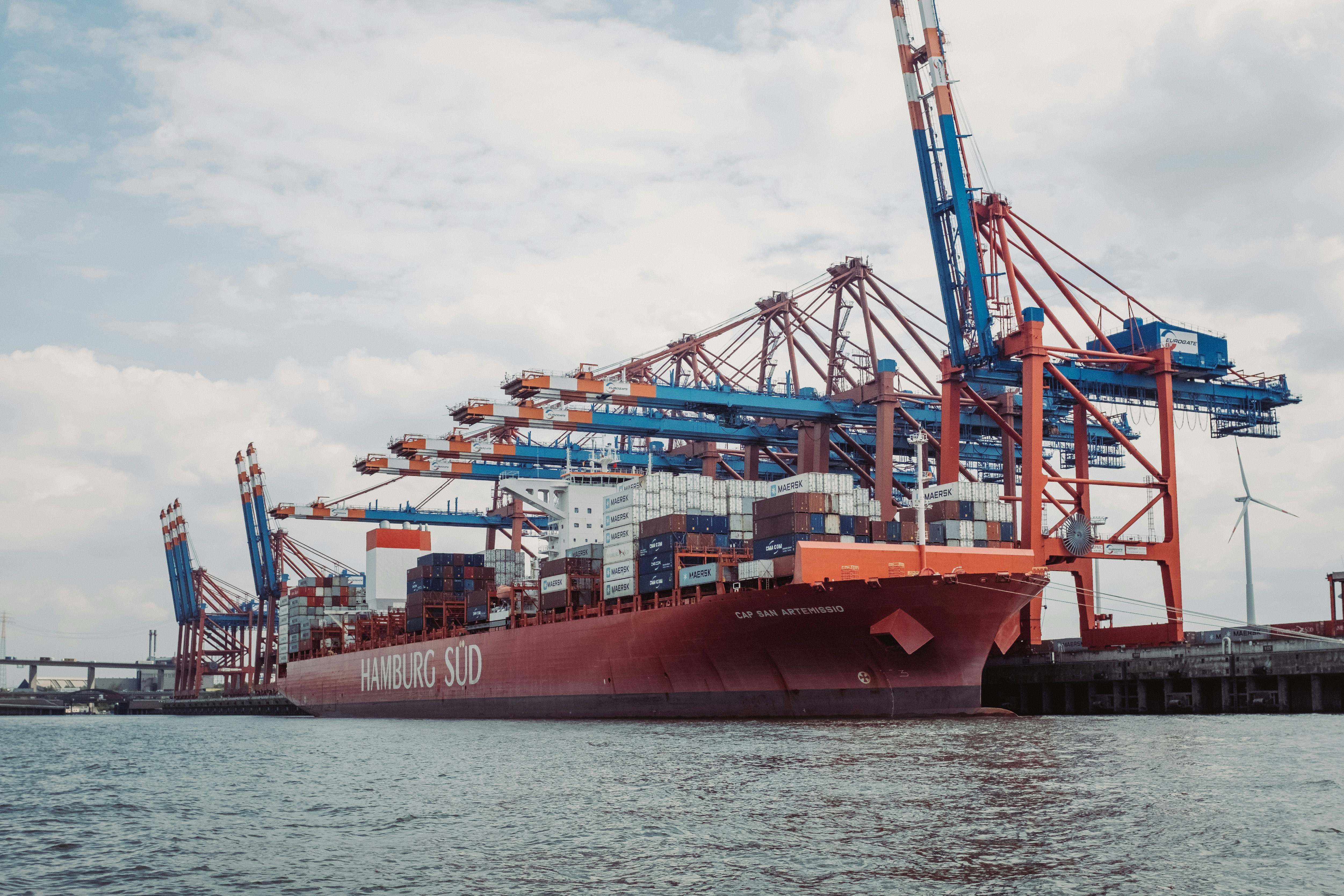
Overview of Global Trade Growth
Global trade growth has experienced significant fluctuations over the past few decades, shaped by economic developments, political changes, and technological advancements. From the post-World War II era characterized by rapid industrialization, trade saw considerable expansion fueled by the establishment of institutions like the General Agreement on Tariffs and Trade (GATT) in 1947. Between 1980 and 2010, global merchandise trade volume increased more than fourfold, reflecting the growing interdependence of nations. In recent years, the World Trade Organization (WTO) reported a growth rate of approximately 3% per year on average, signaling a recovery after the global financial crisis of 2008 and the subsequent disruptions caused by the COVID-19 pandemic.
Several factors contribute to this ongoing growth trend. Emerging markets have become pivotal in global trade dynamics, with countries like China and India playing a crucial role. China’s entry into the WTO in 2001 marked a turning point, leading to a surge in exports and establishing the nation as the world’s largest trading partner. As these economies continue to develop, they offer new markets for goods and services, driving demand and expanding trade networks.
Additionally, advancements in technology, such as improvements in logistics and communication, have transformed the way goods are traded. The rise of e-commerce platforms has facilitated access to international markets for small and medium-sized enterprises (SMEs), enabling them to participate in global trade more easily. Furthermore, innovations in transportation, including containerization and digitization of supply chains, have significantly reduced shipping times and costs, fostering a more efficient trade environment.
As we approach 2025, these factors are expected to further shape global trade growth, creating opportunities and challenges in an interconnected economy. Understanding the evolution of trade and the elements driving its growth is essential for comprehending the complexities of today’s global marketplace.
UNCTAD’s Predictions for 2025
The United Nations Conference on Trade and Development (UNCTAD) has projected that global trade is on the verge of exceeding $35 trillion by 2025. This forecast, grounded in various analytical frameworks and statistical methods, is influenced by several factors, including economic recovery patterns post-pandemic and advancements in technology that facilitate trade and commerce. UNCTAD employs extensive data analysis, combining historical trends with current economic indicators to produce its predictions. This methodology allows for a comprehensive overview of potential shifts within the global trading landscape.
Significantly, surpassing the $35 trillion threshold in global trade would not only illustrate the resilience of international markets but also highlight the interdependence of regional economies. Various sectors are expected to contribute to this growth trajectory, particularly technology, pharmaceuticals, and renewable energy. The digital economy, driven by e-commerce and innovations in supply chain management, is poised to be a major catalyst. Moreover, the sustainability movement is likely to reshape consumer demand, thus encouraging investments in green technologies and services, which play a pivotal role in driving trade upwards.
Another critical element influencing this growth will be the regulatory frameworks established by international trade agreements. By facilitating smoother and more efficient trade practices, these agreements can significantly contribute to economic expansion. Furthermore, the diversification of supply chains—an evolving trend in response to global disruptions—could also lead to increased trade volumes as businesses seek to enhance resilience in their operations. This development will reflect a broader strategy of building robust networks across regions, reinforcing the positive outlook for global trade through to 2025.
Implications of Surpassing $35 Trillion in Trade
The achievement of surpassing $35 trillion in global trade marks a significant milestone in the ongoing evolution of international economic relations. This development holds substantial implications for both developed and developing nations, shaping economic landscapes, trade dynamics, and global collaboration.
From an economic perspective, this growth signifies enhanced market opportunities for countries around the globe. Developed nations are likely to see their economies bolstered as they capitalize on expanded access to emerging markets. This increase could lead to more investments in innovation and technology, fostering competitive advantages. Conversely, developing nations might experience a more pronounced impact, as increased trade can potentially lift many out of poverty and promote sustainable development. However, these benefits are contingent on the effective structuring of trade agreements that promote fair practices and equitable benefit sharing.
Furthermore, surpassing the $35 trillion benchmark indicates shifts in trade dynamics. The interplay among nations may evolve, with countries increasingly collaborating to optimize their supply chains. This could lead to enhanced cooperation in critical sectors, such as technology and healthcare, where trade partnerships can facilitate knowledge and resource sharing. The growing complexity of global supply chains will require nations to adapt their policies and regulations to better align with this new reality, underscoring the necessity for agile governance frameworks.
Lastly, the diplomatic landscape is likely to be transformed as nations reevaluate their positions regarding trade partnerships. Countries may seek to formulate new alliances and negotiate trade agreements that align with their economic interests. The need for international cooperation will be paramount, as nations will navigate challenges such as tariff disputes and regulatory differences, necessitating collective efforts to maintain a stable trading environment.
Future Trends and Challenges in Global Trade
The landscape of global trade is continually evolving, and looking beyond 2025, several trends are poised to shape its trajectory. One of the most significant of these is sustainability. As governments and consumers alike increasingly prioritize environmental responsibility, businesses will be propelled to adopt sustainable practices. This shift will not only involve reducing carbon footprints but also ensuring ethical sourcing and production processes. Enhanced consumer awareness, coupled with growing regulatory pressures, will demand that companies integrate sustainability into their supply chains, impacting their competitiveness in the global market.
Digital trade is another area experiencing rapid growth that will influence future global trade dynamics. Advancements in technology, such as artificial intelligence and blockchain, are revolutionizing how businesses operate across borders. Digital platforms enable faster transactions, improved supply chain transparency, and better consumer engagement. However, as digital trade expands, issues related to cybersecurity, data privacy, and intellectual property rights may emerge. Governments and global institutions will need to establish robust frameworks to address these challenges and foster a secure digital trade environment.
Geopolitical tensions represent yet another potential hurdle for global trade. Trade agreements and policies can be affected by national interests, leading to increased tariffs, trade wars, and barriers to entry in various markets. The persistence of such geopolitical challenges can disrupt established supply chains and create uncertainty for businesses aiming to scale their operations internationally. As trade volumes continue to rise, a greater emphasis will need to be placed on maintaining equitable trade practices to ensure that all parties can benefit from globalization.
The increasing complexity of global trade will undoubtedly present challenges; however, navigating these intricate dynamics will be essential for businesses looking to thrive in the future. By addressing sustainability concerns, harnessing digital advancements, and mitigating geopolitical risks, stakeholders can work toward a more resilient and sustainable global trade framework.





