
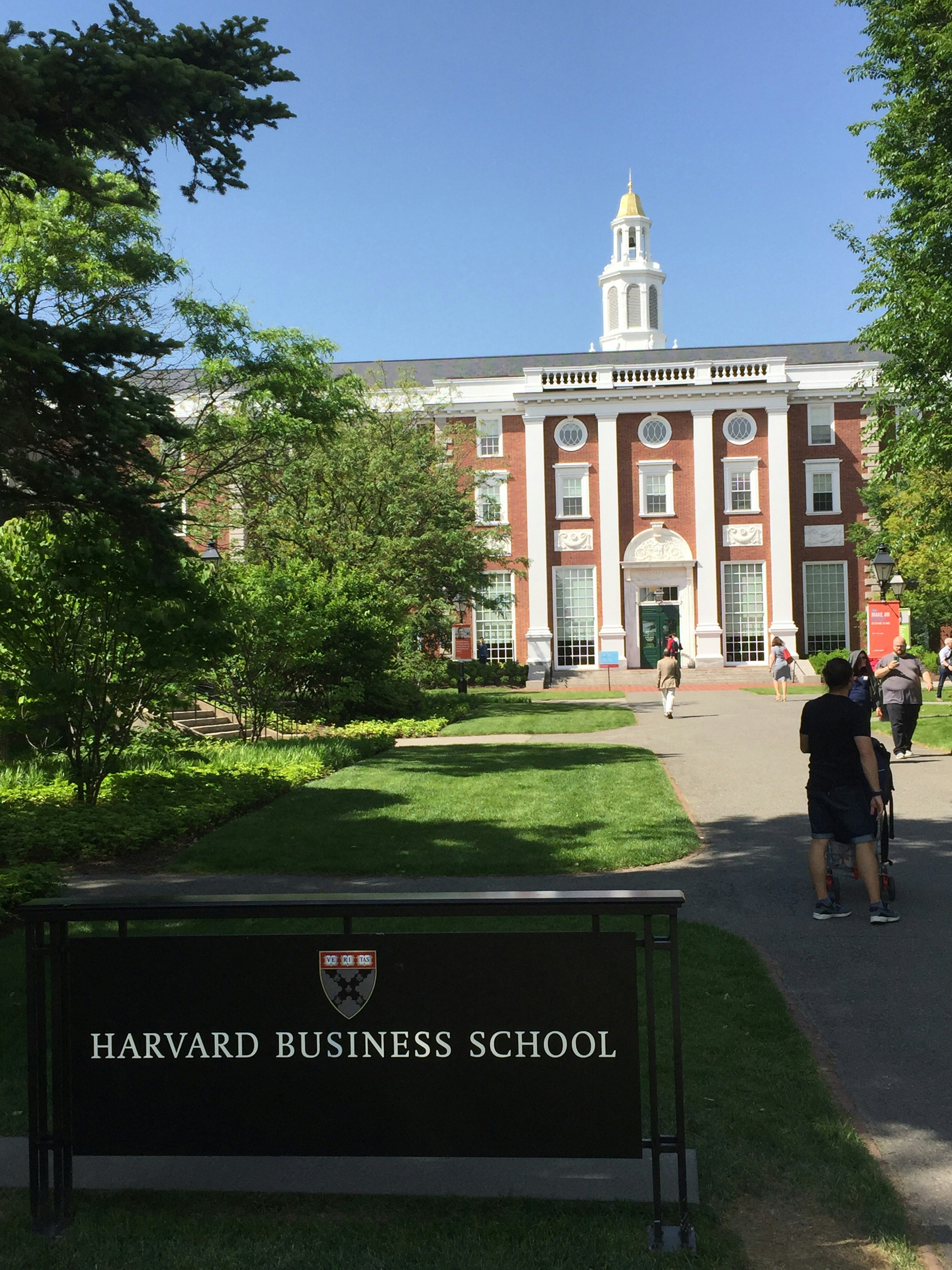
Overview of Harvard’s Decision
In a significant shift in its admissions strategy, Harvard University has recently announced a substantial cut in its PhD admissions quota. This decision, which affects various programs across the university, has been marked by reductions of up to 70% in some instances. It underscores the financial challenges that the institution is currently grappling with, which have necessitated a reevaluation of its approach to graduate education.
The backdrop to this decision is a landscape where many prestigious universities are navigating a myriad of financial pressures, ranging from decreased state funding to rising operational costs. These challenges have prompted Harvard to prioritize resource allocation in a manner that ensures both financial stability and the maintenance of academic excellence. By scaling back on PhD admissions, Harvard aims to align its graduate programs more closely with available resources and faculty capacity, ultimately enhancing the quality of education for remaining students.
To further illustrate the weight of this decision, it is important to note that prior to these cuts, the admissions landscape was characterized by a competitive selection process with thousands of applicants vying for limited spots in various doctoral programs. For instance, in 2020, Harvard recorded approximately 3,200 applicants for its PhD programs, resulting in an acceptance rate of around 10%. With the new changes, however, the number of positions available is expected to diminish significantly, creating a ripple effect in the academic community. This represents not only a statistical reduction but also a philosophical shift in how Harvard envisions its role in nurturing the next generation of scholars.
As the implications of this decision unfold, it remains to be seen how potential applicants will respond, as well as how other institutions of higher education might react to similar pressures in a changing financial environment.
Factors Contributing to the Cuts
Harvard University, like many other academic institutions, faces several challenges that have precipitated cuts to PhD admissions. One significant factor is the evolving landscape of funding for higher education. Traditionally, universities have relied on a combination of federal, state, and private funding to support their graduate programs. However, in recent years, there have been noticeable shifts in funding priorities and availability, which have ultimately placed financial strains on doctoral programs.
Economic recessions also play a pivotal role in shaping university budgets and research funding. The recent global economic downturn has resulted in decreased endowment returns and limited fiscal resources for institutions like Harvard. Consequently, this has necessitated a reevaluation of financial strategies, leading to difficult decisions regarding enrollment in PhD programs. As financial stability becomes uncertain, universities are compelled to scale back admissions to ensure they can adequately support existing students and programs.
Moreover, the rising operational costs tied to maintaining high-quality research facilities, providing adequate stipends, and funding teaching opportunities further exacerbate the situation. As these costs rise, universities may find it increasingly challenging to balance their budgets while also maintaining robust PhD programs. This issue is compounded by potential shifts in institutional priorities, where universities may choose to focus their resources on undergraduate programs or other initiatives deemed more essential in the current academic climate.
Importantly, it must be noted that the dilemmas faced by Harvard are not isolated; they reflect broader trends in higher education funding and admissions across various institutions. The interplay between funding sources, economic conditions, and institutional priorities is a complex web, influencing the future landscape of graduate education in significant ways.
Impacts on Prospective Students and Academic Programs
The recent decision by Harvard University to cut PhD admissions has significant implications for both prospective students and the academic programs within the institution. The reduction in the number of admissions could lead to a more competitive application process, making it increasingly challenging for applicants to secure a place in their desired programs. With fewer spots available, potential candidates may have to enhance their qualifications extensively, which raises concerns about access and equity in graduate education.
One of the most pronounced effects of the admission cuts will likely be on diversity within the PhD student body. Historically, graduate programs at Harvard have aimed to attract a diverse range of students from various backgrounds and experiences. However, with limited slots, there is a risk that marginalized groups may face additional barriers to entry. This may hinder the university’s efforts to foster an inclusive academic environment, which is critical for enriching discourse and innovation within scholarly research.
Furthermore, the implications extend beyond admissions to research opportunities and academic mentorship. A smaller cohort of PhD students may limit collaborative research initiatives and reduce the diversity of perspectives brought into academic discussions. As a result, the vibrancy of the academic community could diminish, potentially stifling innovation and the progression of research agendas.
Prospective students may experience anxiety regarding their educational goals in light of this news. Many may reconsider their plans for obtaining a PhD or explore alternative institutions and programs that continue to prioritize increasing enrollment numbers. The long-term effects on career trajectories could be substantial, ultimately impacting the academic landscape by changing where future scholars choose to study and contribute.
In this evolving scenario, it remains essential for academic institutions to address these challenges proactively, ensuring that the needs of prospective students and the integrity of academic programs are upheld. As the implications unfold, the academic community must foster dialogue surrounding these changes to prepare effectively for the future.
Future Prospects for Harvard and Higher Education
The decision by Harvard University to reduce its PhD admissions raises critical questions about the future trajectory of both the institution itself and the broader realm of higher education. Harvard, a leader in educational excellence, is often seen as a bellwether for other universities. This strategic move could inspire similar responses from other academic institutions facing financial pressures or shifts in enrollment trends. As they contemplate their own admissions processes, universities may reassess program offerings, funding models, and the overall value proposition of advanced degrees. Such evaluations may yield varying results, depending on each institution’s unique context and objectives.
Financial sustainability has become a significant concern for many universities. The changing landscape, characterized by fluctuating enrollment figures and increased competition for grants and resources, might force institutions to prioritize certain programs over others. This could lead to a consolidation of resources within select departments, potentially enhancing the quality of those remaining programs while further marginalizing others. Consequently, a ripple effect may materialize, influencing the cultural and academic diversity of research endeavors at these institutions.
Moreover, the potential ramifications of Harvard’s decision may extend to the quality of education and research pursuits upholding its academic legacy. By curbing the number of admitted PhD students, there are risks associated with diminished research output, which could impact the university’s standing in global academic circles. The prestige that accompanies Harvard’s programs might be challenged if reduced admissions lead to fewer groundbreaking discoveries and innovations that traditionally characterize the institution’s contributions to various fields.
In conclusion, Harvard’s PhD admission cuts mark a pivotal moment not only for the university but for the entirety of higher education. The decisions made today will shape the competitive landscape, influence academic quality, and redefine the role of institutions in nurturing future scholars and innovators.
You might also like:
- Harry Kane: The Bundesliga’s Scoring Sensation
- Market Trend Analysis of Dogecoin (DOGE): Current Signals and Factors to Watch
- US Stock Market Outlook: Futures Trends and Predictions for October 21, 2025
- The Jakarta Mosque Explosion: A Tragic Event During Prayers
- An In-Depth Look at the Japanese Financial Market Today